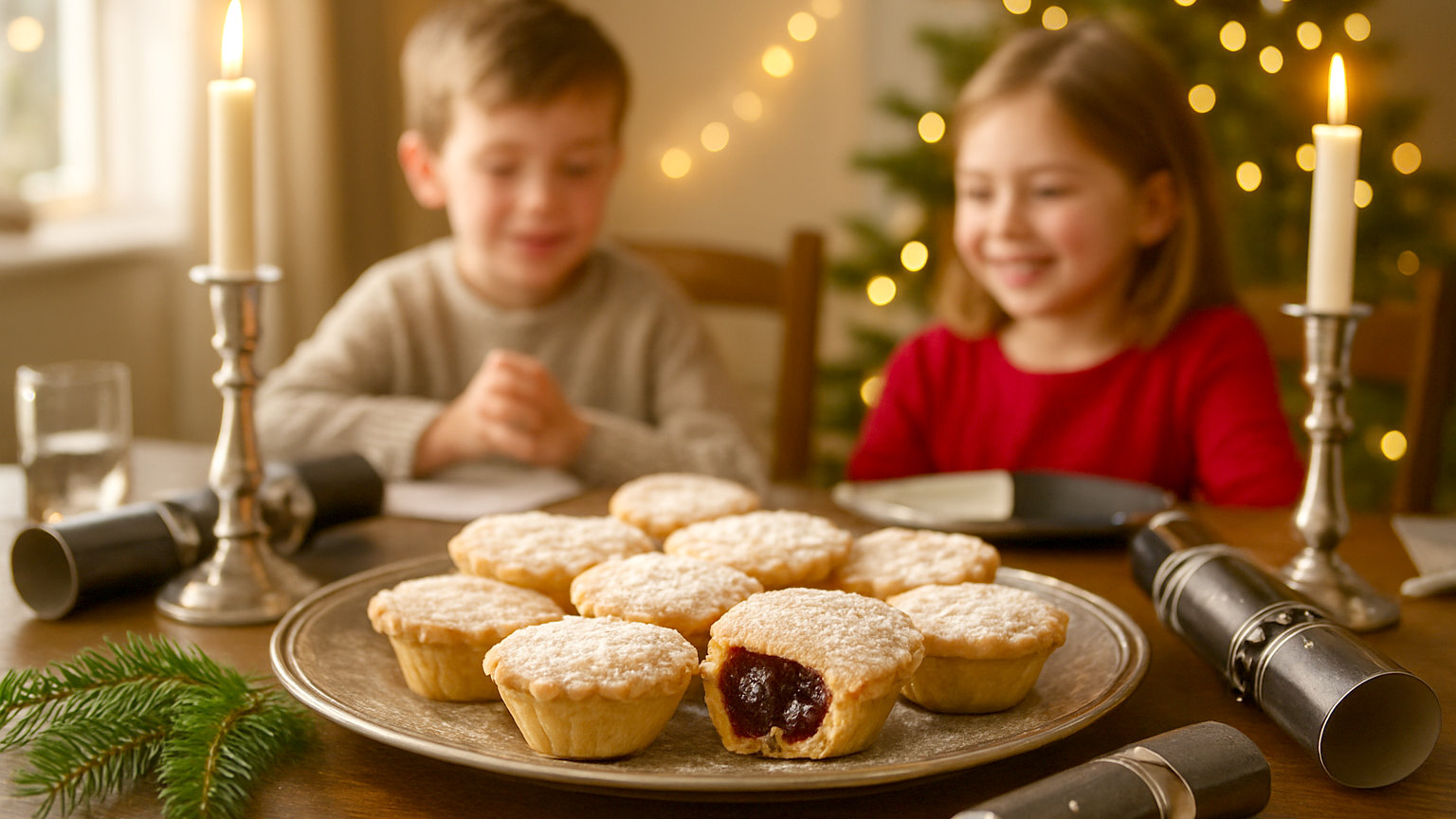
Christmas Market Food and What to Try
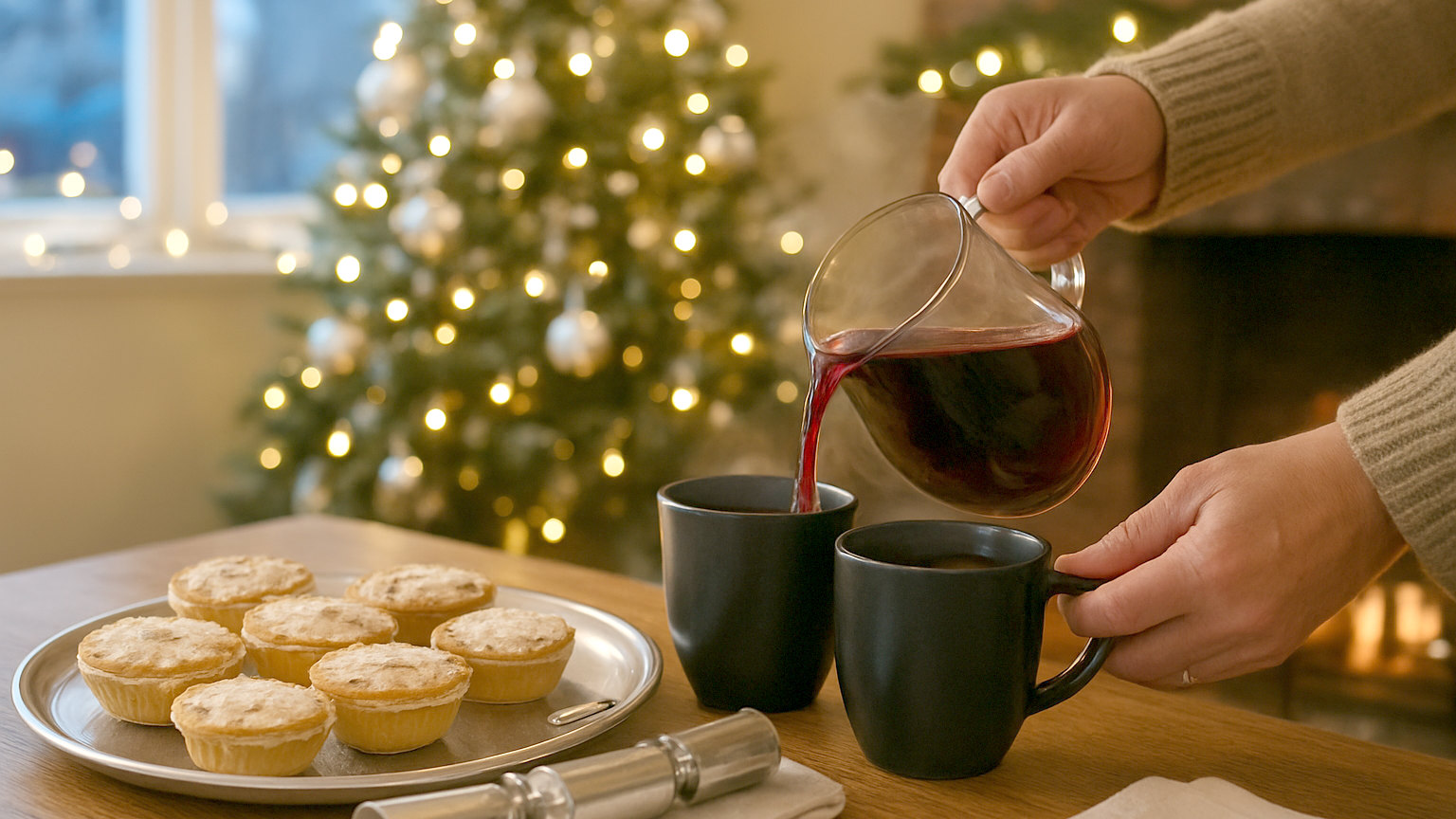
The food is most of what people go for and most of what they spend. What is worth queueing for, what is overpriced, and how the regional specialities differ.
Almost every part of Christmas that feels timeless is younger than it looks, and several of the customs people assume are ancient were invented by Victorian publishers with something to sell. These guides cover what families actually do on Christmas Eve, which markets and days out are worth the journey, where the tree, the cards, the crackers and the man in the red suit came from, and how the same date is marked in countries that would find the British version deeply strange. Useful for planning December, and reliable enough to settle an argument at the table.
The food is most of what people go for and most of what they spend. What is worth queueing for, what is overpriced, and how the regional specialities differ.
Anybody can attend, whatever they believe, and most churches are glad to see people who never normally come. What happens, what time it starts, and what to wear.
Hosting on the twenty-fourth is easier than hosting on the day and increasingly common. What to serve, how to handle arrivals across four hours, and when to end it.
A great many people are at work on the twenty-fourth and a good number on the day itself. How to have a Christmas around a shift, and why moving the date works.
A Christmas on your own goes considerably better planned than left to happen. How to give the evening a shape, what is open, and where the company is if you want it.
A tradition is anything done the same way three years running. Ten that cost almost nothing, why the small ones last longest, and how to establish one this year.
Almost every Christmas Eve tradition assumes a house full of small people. What the evening can be without them, and why many households prefer it to the day.
Wrapping expands to fill whatever time is left, which is why so much of it happens after midnight. How to batch it, what to have ready, and where to hide the results.
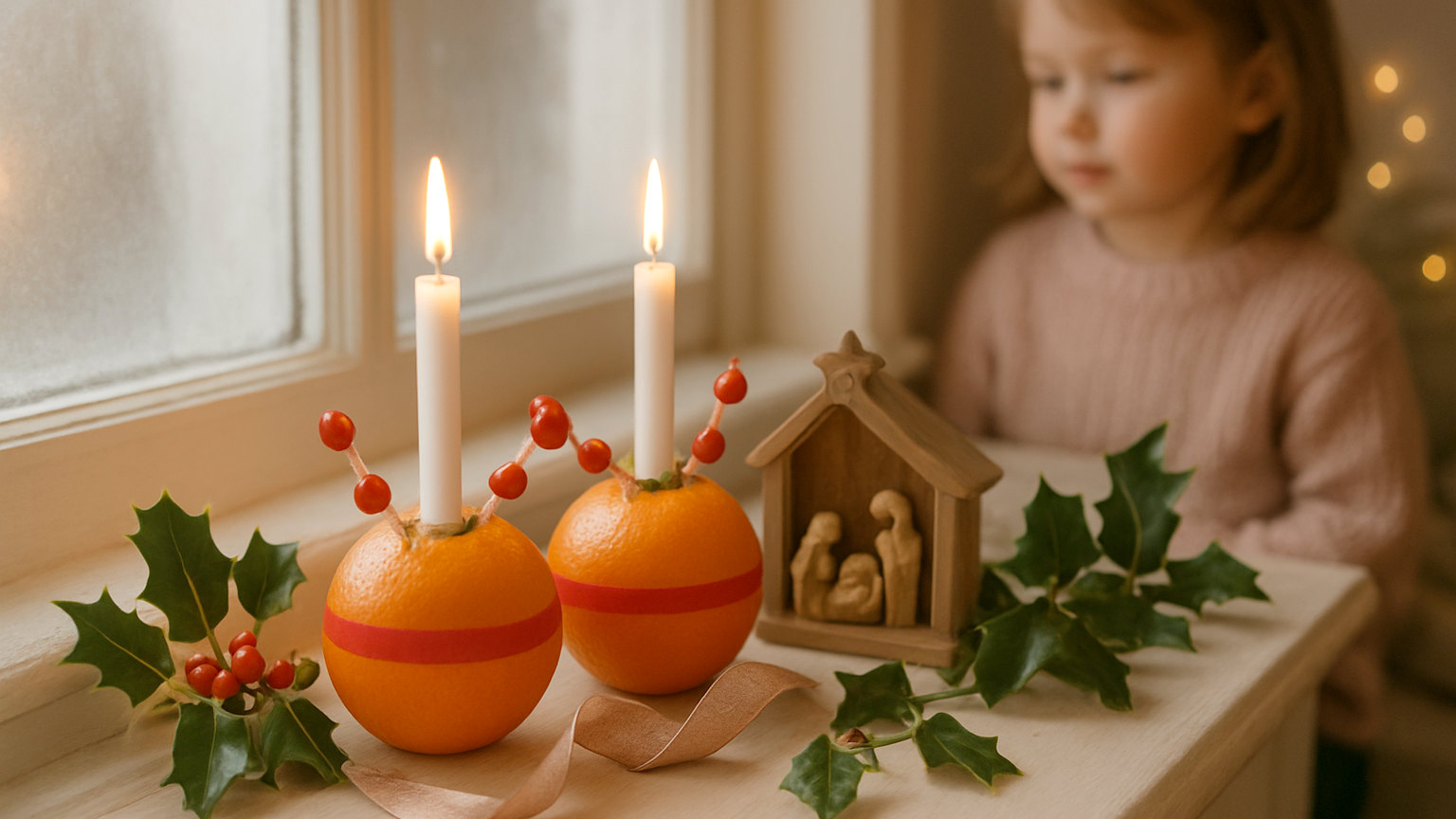
Crib services and Christingles are designed for children, run in the afternoon, and are free. What happens at each, what to expect, and why the candles need watching.
The twenty-fourth is a working day in most kitchens and the longest day of the year for a child. A running order that gets everything done and everybody to bed.
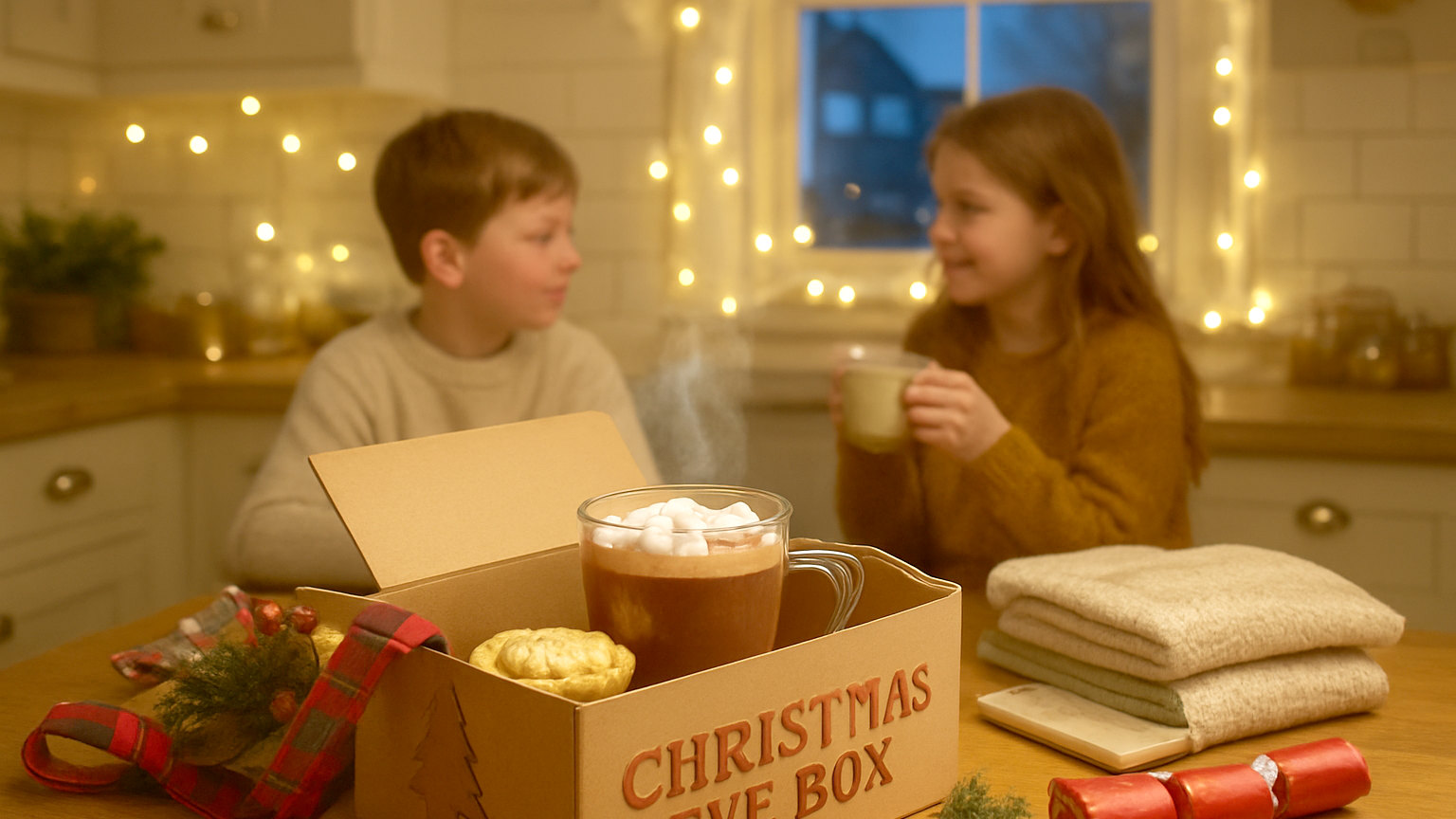
The tradition is about fifteen years old despite feeling established. Where it actually came from, why it spread so fast, and how to keep it from becoming a second Christmas.
Britain has less of a Christmas Eve food tradition than most of Europe, which leaves the evening open. What regional customs survive, and what households do instead.