
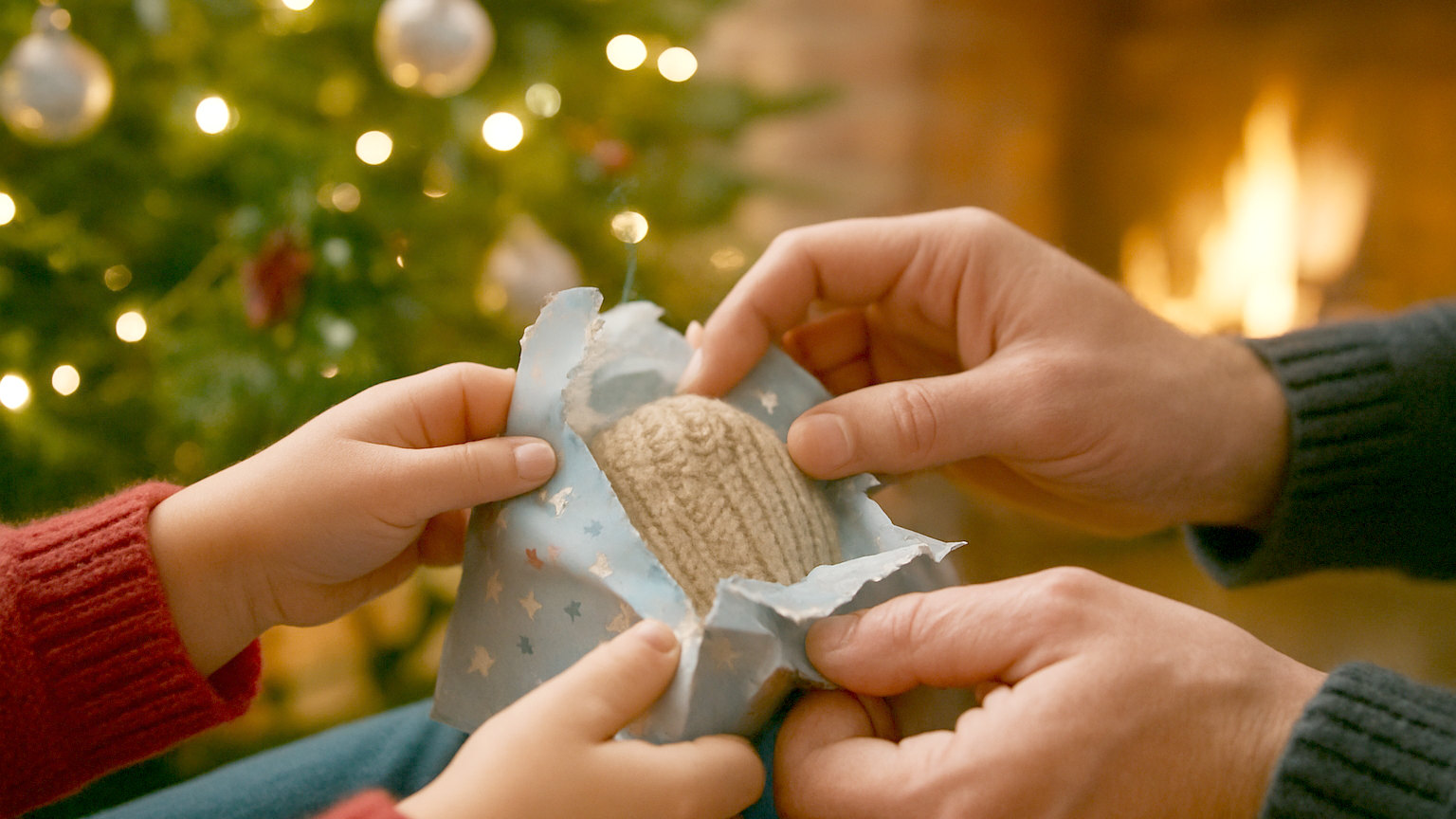
A tradition is not something inherited from a grandparent, it is something done the same way three years running. That is a far lower bar than most people assume, and it means any household can start one this December. The ones that last are almost always small, cheap and short, because a tradition that asks a great deal fails the first year somebody is working late.
Why do the small ones last longest?
Because they survive disruption. A tradition requiring everybody present, for three hours, with food prepared in advance, will not survive an illness, a late shift or a child at university. One that takes twenty minutes and works with whoever is in the house will run for forty years. The traditions people remember from their own childhoods are almost all of the second kind.
What is worth starting?
New pyjamas, opened on the evening of the twenty-fourth, which is the most widely adopted modern one. The same film every year. A particular meal. A walk after dark to look at the lights. A story read by the tree with everything else switched off. A single decoration added to the tree by the youngest person. A carol sung badly. A photograph taken in the same spot.
What about the food ones?
They are the easiest to establish because they happen anyway. The same supper every Christmas Eve, whether that is a fish dish borrowed from a European tradition, a curry, or a takeaway from the same place, becomes a fixture within a couple of years. Making one specific thing, such as a particular soup or a hot chocolate, is enough on its own.
Announce it as a tradition the first year rather than waiting to see whether it becomes one. Saying that this is what the household does now is enough to make it true.
What suits a household without children?
All of it, and several of these work better without. A meal cooked properly, a film, a walk, a bottle opened at a particular moment, presents exchanged on the evening rather than the morning. A great many couples find Christmas Eve is the better evening of the two, since the day itself is frequently spent with wider family and this one is theirs.
What did previous generations do?
Decorated, largely. Within living memory a great many British households put the tree up on Christmas Eve itself, which is why some older relatives regard a tree in late November with mild disapproval. Midnight mass was near universal in observant households. Stockings were hung, and were considerably smaller than the modern version.
How do you keep one going as children grow up?
By keeping it short and by not making attendance a test of family loyalty, which is the subtext teenagers detect immediately. A twenty minute tradition survives adolescence; an afternoon does not. Several households find the person who complained about it at fifteen is the one asking whether it is still happening at twenty-five.
What if you want to change one?
Change the content and keep the slot, which is the flexible part. The tradition is the fixed time and the fixed shape rather than the specific activity, so swapping the film or the meal after a decade is entirely legitimate. What is worth protecting is the moment itself, because once an evening loses its purpose it quietly fills up with something else.
What about a tradition for the whole household?
The ones that involve everybody last longest, since a tradition aimed at the children ends when the children grow up. A walk, a meal, a toast or a film works at every age and survives the household changing shape.
It is also worth having one that works with two people, since most households eventually are two people again and the traditions built around a full house do not transfer.
How many should a household have?
Three or four is plenty, spread across the day so the twenty-fourth has a shape rather than a single moment. More than that and the evening becomes a schedule rather than a pleasure.
It is also worth letting one go if it has stopped working, since a tradition kept out of duty is visible to everybody and quietly spoils the evening it was meant to improve.


