How Christmas Became a Public Holiday
The days off are more recent than the festival by a very long way, and Scotland got them a century after England. How the holidays were established.
Almost every part of Christmas that feels timeless is younger than it looks, and several of the customs people assume are ancient were invented by Victorian publishers with something to sell. These guides cover what families actually do on Christmas Eve, which markets and days out are worth the journey, where the tree, the cards, the crackers and the man in the red suit came from, and how the same date is marked in countries that would find the British version deeply strange. Useful for planning December, and reliable enough to settle an argument at the table.
The days off are more recent than the festival by a very long way, and Scotland got them a century after England. How the holidays were established.
Across much of Europe the twenty-fourth is the main event and the twenty-fifth is the quiet day after. What happens where, and which traditions are worth borrowing.
Half the world celebrates midwinter Christmas in high summer. What the traditions look like when it is thirty degrees, and which imported ones survive anyway.
A shopping trip in December can be an outing or an ordeal and the difference is planning. Which places are worth the journey, when to go, and how to make a day of it.
The date is not in the Bible and nobody knows the actual day. Two competing explanations for how the 25th was chosen, and why some churches use a different date.
For about fifteen years in the seventeenth century, celebrating Christmas was against the law. Why it happened, what people did about it, and what it left behind.
The twenty-fourth is the main day, the food is a groaning table, and Iceland gives books. What happens across the region, and which traditions travel well.
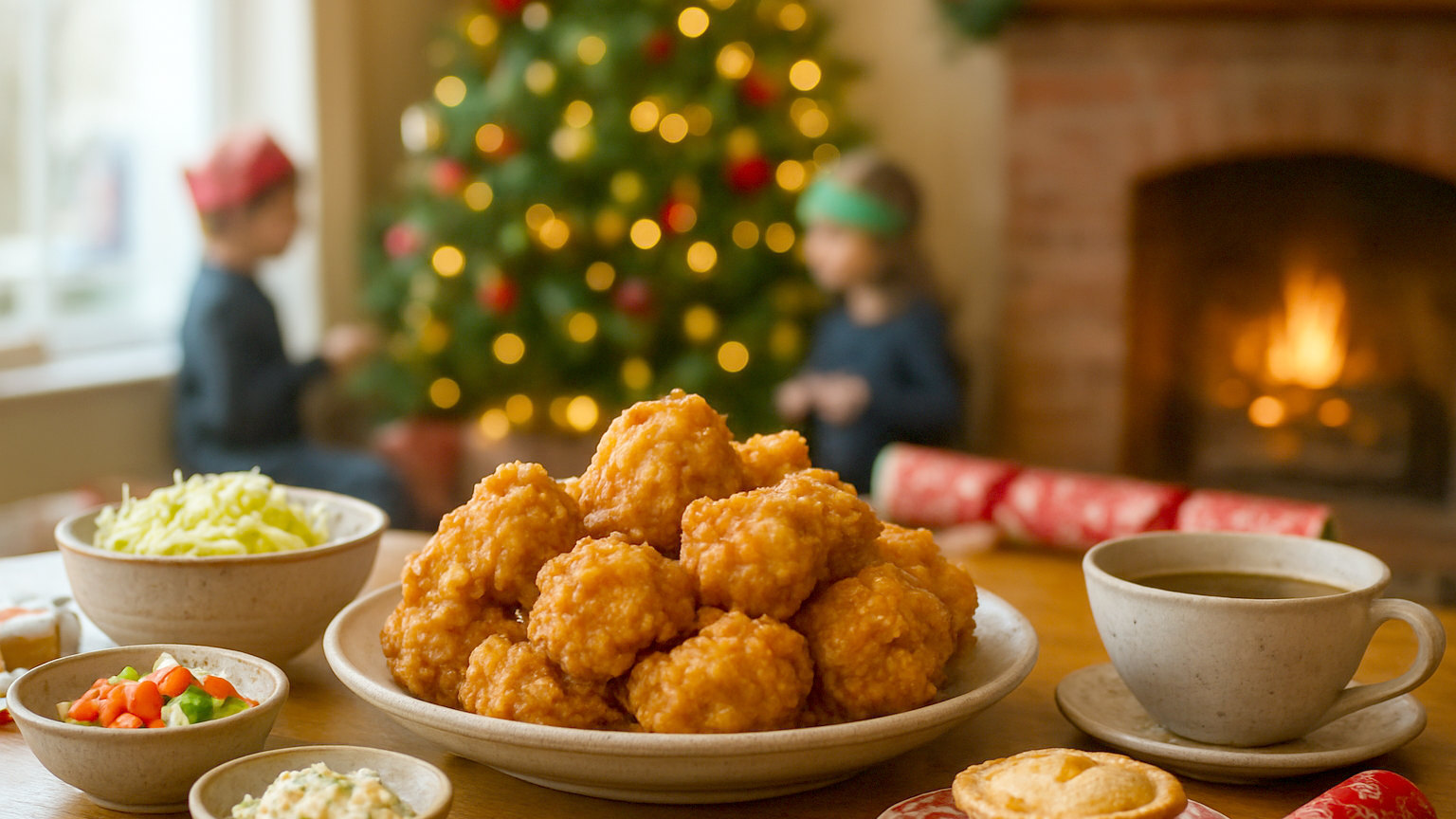
Christmas is widely observed across a region with very few Christians, and it looks nothing like the western version. What happens where, and why fried chicken.
Meeting Father Christmas in a shop is a Victorian retail invention that is now a substantial industry. Where it began, how it spread, and what it has become.
Most Christmas attractions are designed for a five to eight year old. What works below that age, why timing matters more than the venue, and what to skip.
Heritage railways run Christmas services across the country and they sell out earlier than almost anything else. What is included, what it costs, and which ages it suits.
From one man trying to avoid writing letters to a billion cards a year and back down again. How the habit started, what drove it, and why it is declining.