Wrapping is the job that expands to fill whatever time is left, which is why an alarming proportion of it happens between eleven at night and two in the morning on the twenty-fourth. It does not have to. Done properly, in one or two sessions with everything to hand, a household of presents takes about two hours rather than the six it takes in instalments on the floor.
Why does it take so long?
Because it is usually done one present at a time, on a carpet, with the scissors somewhere else and the tape stuck to itself. The actual wrapping is a small part of it. The searching, the standing up, the finding of a pen and the reorganising of the pile is where the hours go, and all of that is a setup problem.
How do you set up properly?
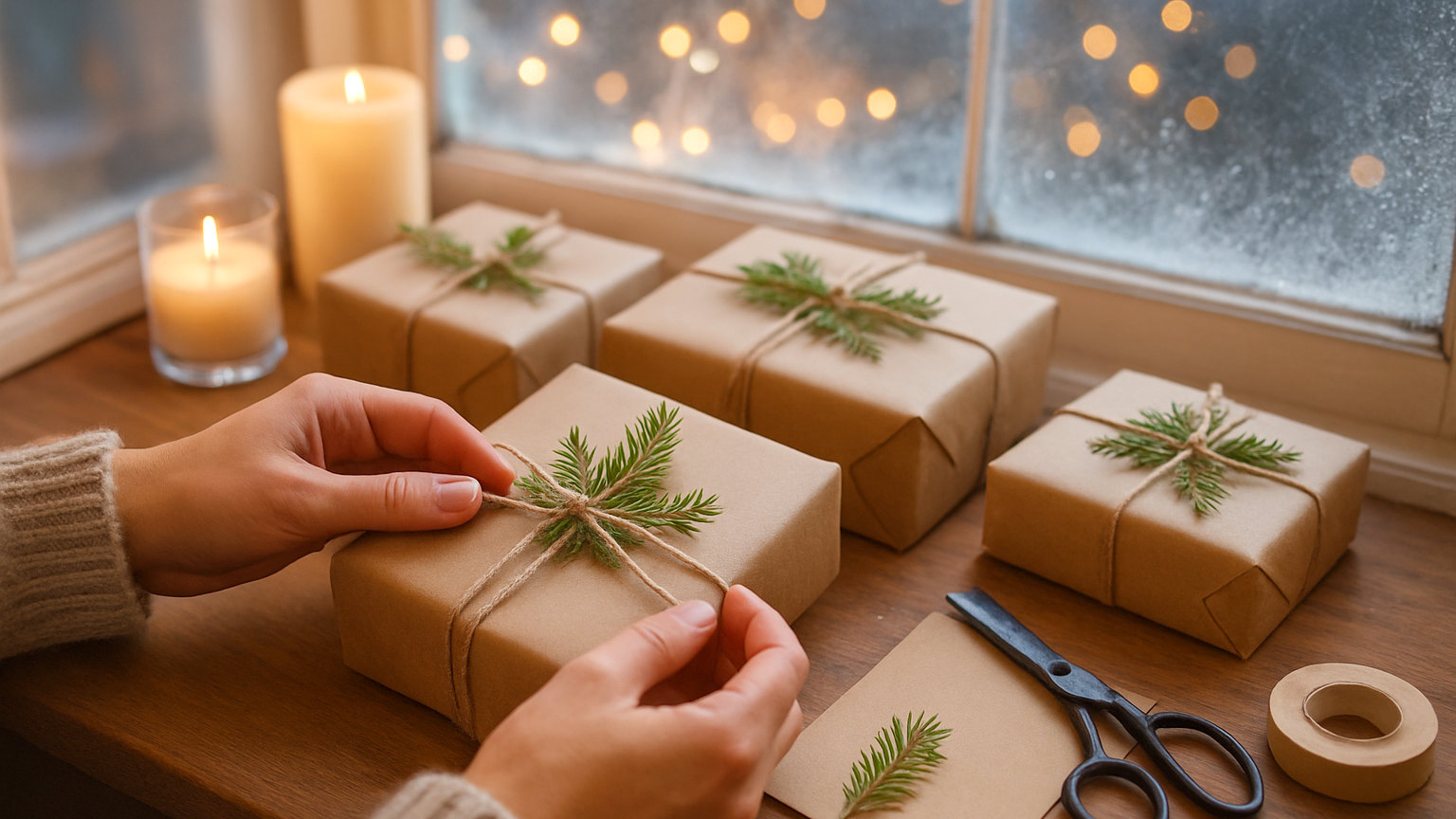
Clear a table, which is worth more than any other tip here since the floor costs you twice the time and your back. Put everything within reach before you start: paper, scissors, tape on a dispenser, tags, a pen, string and a bin bag. Sort the presents into piles by recipient first, so you are never hunting. Then work through one pile at a time.
When should you start?
The first weekend of December for anything already bought, which is far more pleasant than doing it under pressure. A second session in the third week covers everything bought since. Leaving it all for the twenty-third guarantees the late night, and there is no advantage in waiting since a wrapped present is easier to store than an unwrapped one.
Wrap by recipient rather than by item. Finishing one person entirely before starting the next is faster and makes it obvious when you have enough for them.
What saves the most time?
Cutting several sheets to size at the start rather than measuring each present. A different paper per person, which removes the need for tags entirely and is the single biggest saving available. Bags for anything awkwardly shaped rather than fighting with paper. And writing the tag before wrapping, since attaching a label to a finished parcel is fiddly.
What about the awkward items?
Put them in a box first, which solves anything spherical, soft or irregular. Tubes and bottles wrap by rolling and gathering the ends. Fabric bags work for anything that will not fold. Nobody has ever successfully wrapped a football, and the twenty minutes spent trying is the twenty minutes that turns a two hour job into a three hour one.
Where do you hide the results?
Somewhere the intended recipient has no reason to go, which in most houses means a loft, a locked car boot, the back of a wardrobe that is not theirs, or a neighbour spare room. Keep a written list of what is where, since presents hidden in November are genuinely forgotten every year and turn up in March.
What should be left for the last night?
Only the stockings, which should be wrapped in advance and simply loaded, and anything that would give the game away if it appeared under the tree early. Everything else can go out days beforehand. A tree with presents under it from the twentieth is part of the anticipation rather than a spoiler.
What do you need to buy?
More paper than you think, since most households underestimate by about half, and two rolls of the same rather than four different designs, which makes the pile under the tree look considerably more deliberate.
Tape on a dispenser rather than loose rolls, a decent pair of scissors kept only for this, and string, which is cheaper than ribbon, recyclable and looks better.
How do you keep track of it?
A written list of who has what, kept somewhere you will find it, since the most common December failure is not remembering whether somebody has been bought for at all.
Ticking presents off as they are wrapped serves the same purpose and reveals the gaps while there is still time to fill them, which a pile of unwrapped bags in a wardrobe does not.