Outdoor Christmas Decorations That Survive Wind
December is the windiest month and most outdoor decorating ignores it. Which items hold up, how to anchor properly, and why taking things down early is not defeat.
A room that looks good at Christmas usually comes down to three decisions made early: which tree, how the lights are run, and whether the whole thing has a colour it keeps to. Everything after that is detail. These guides cover choosing between a real tree and an artificial one, keeping a real one alive until Twelfth Night, wiring lights so the plug ends up somewhere sensible, making a wreath that lasts, setting a table people can still eat at, and putting up an outdoor display without spending January on a ladder taking it down.
December is the windiest month and most outdoor decorating ignores it. Which items hold up, how to anchor properly, and why taking things down early is not defeat.
Outdoor lighting is the one part of Christmas decorating that can genuinely hurt somebody. What the IP rating means, why an RCD matters, and where the line is for a qualified electrician.
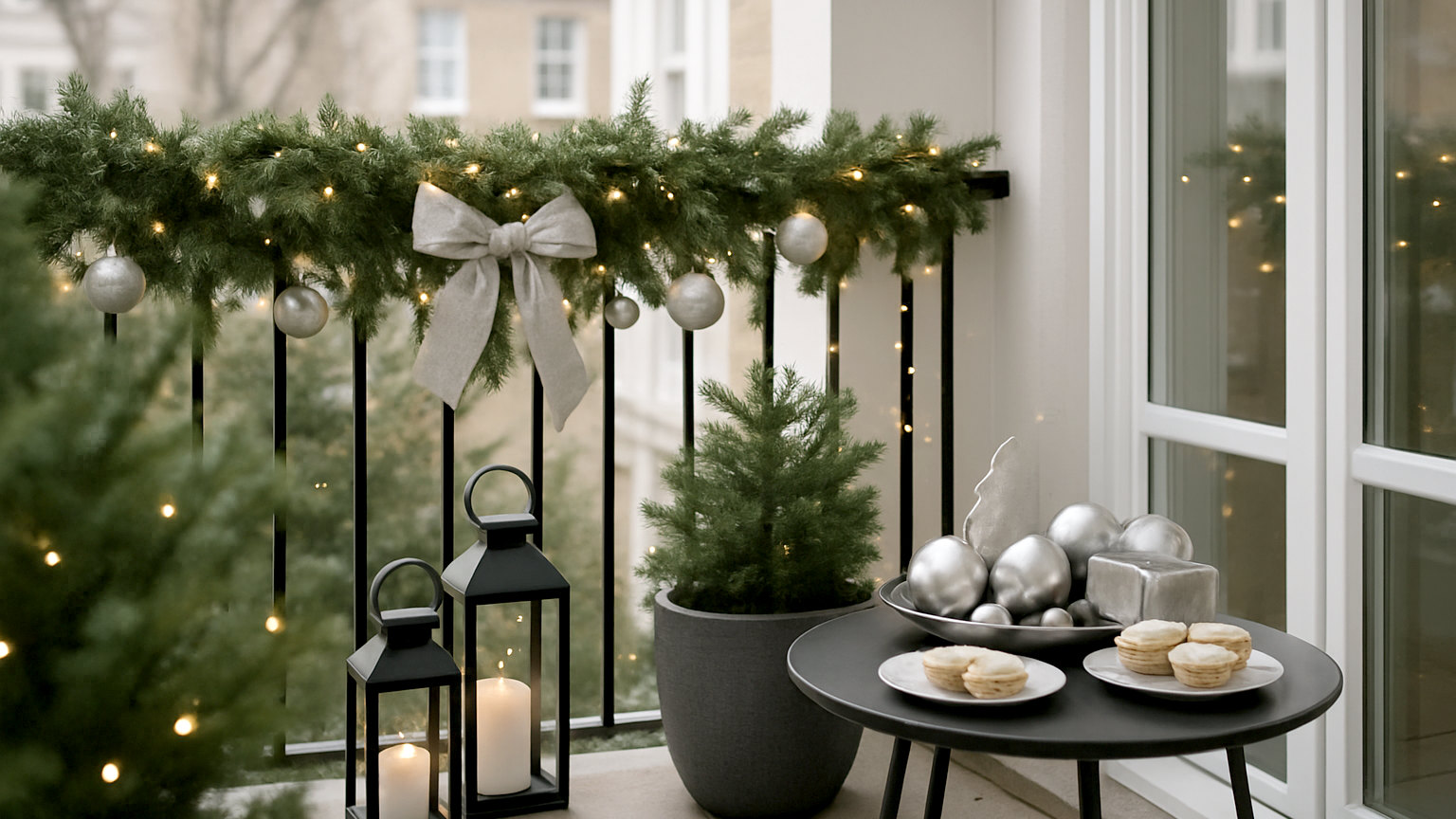
A balcony has rules, wind and neighbours directly below. What the lease usually says, what will survive December weather, and what must not drip.
One is brighter and one goes anywhere. Where each belongs, what battery sets actually cost to run over a season, and why rechargeables change the calculation.
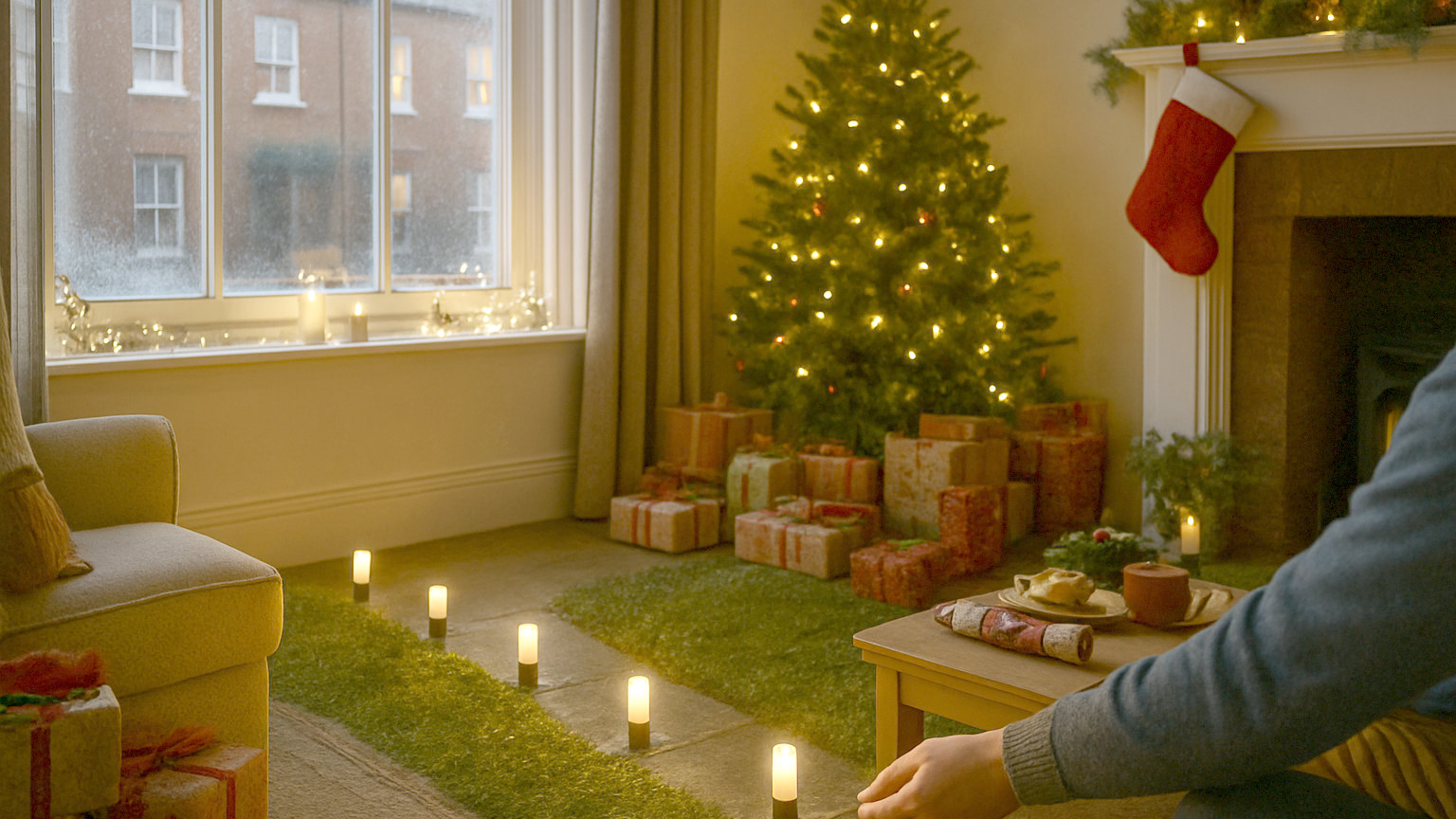
Path lighting is the most useful outdoor decoration because it does a job as well as looking good. How to space it, why solar disappoints in December, and how not to dazzle anybody.
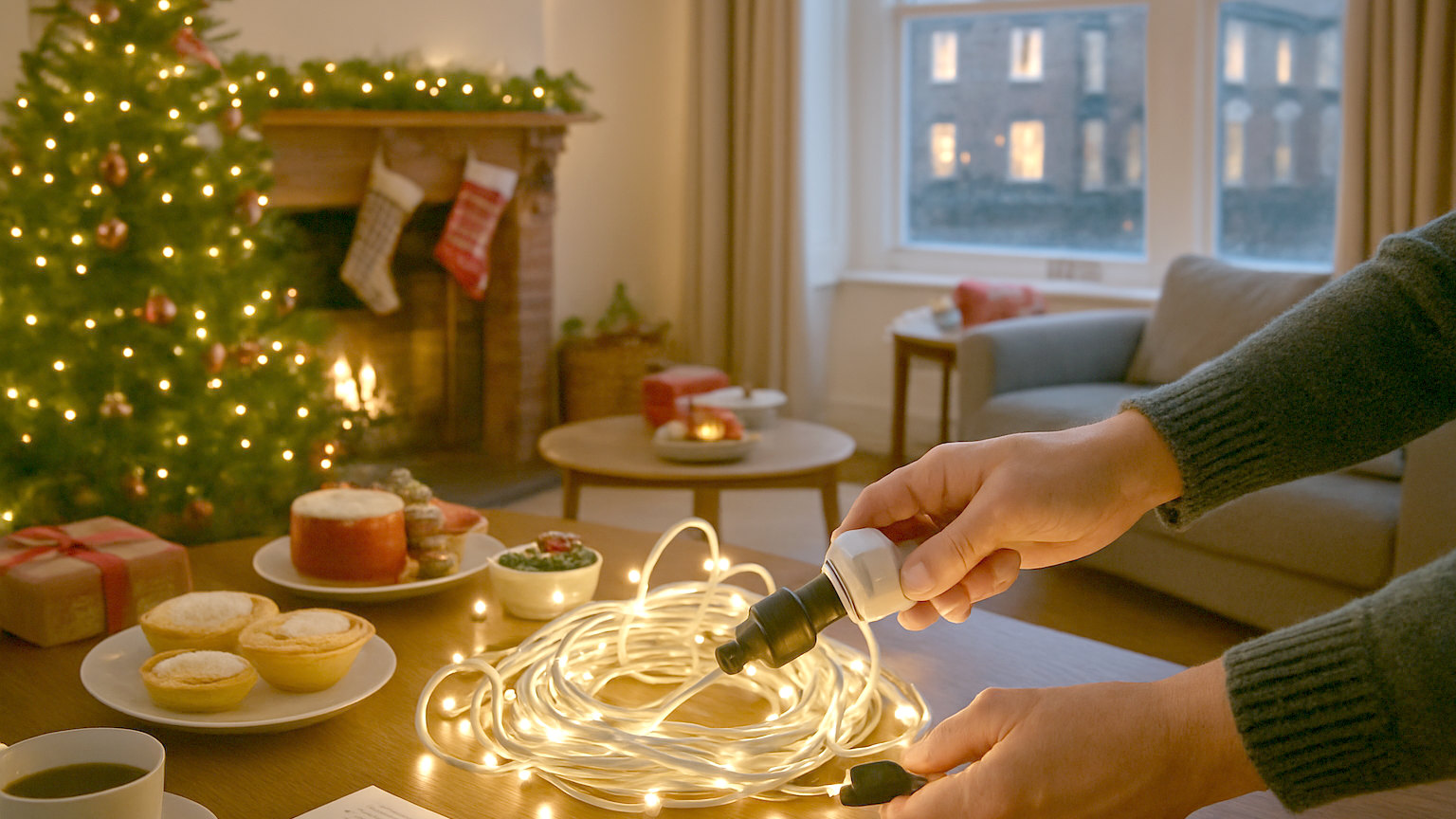
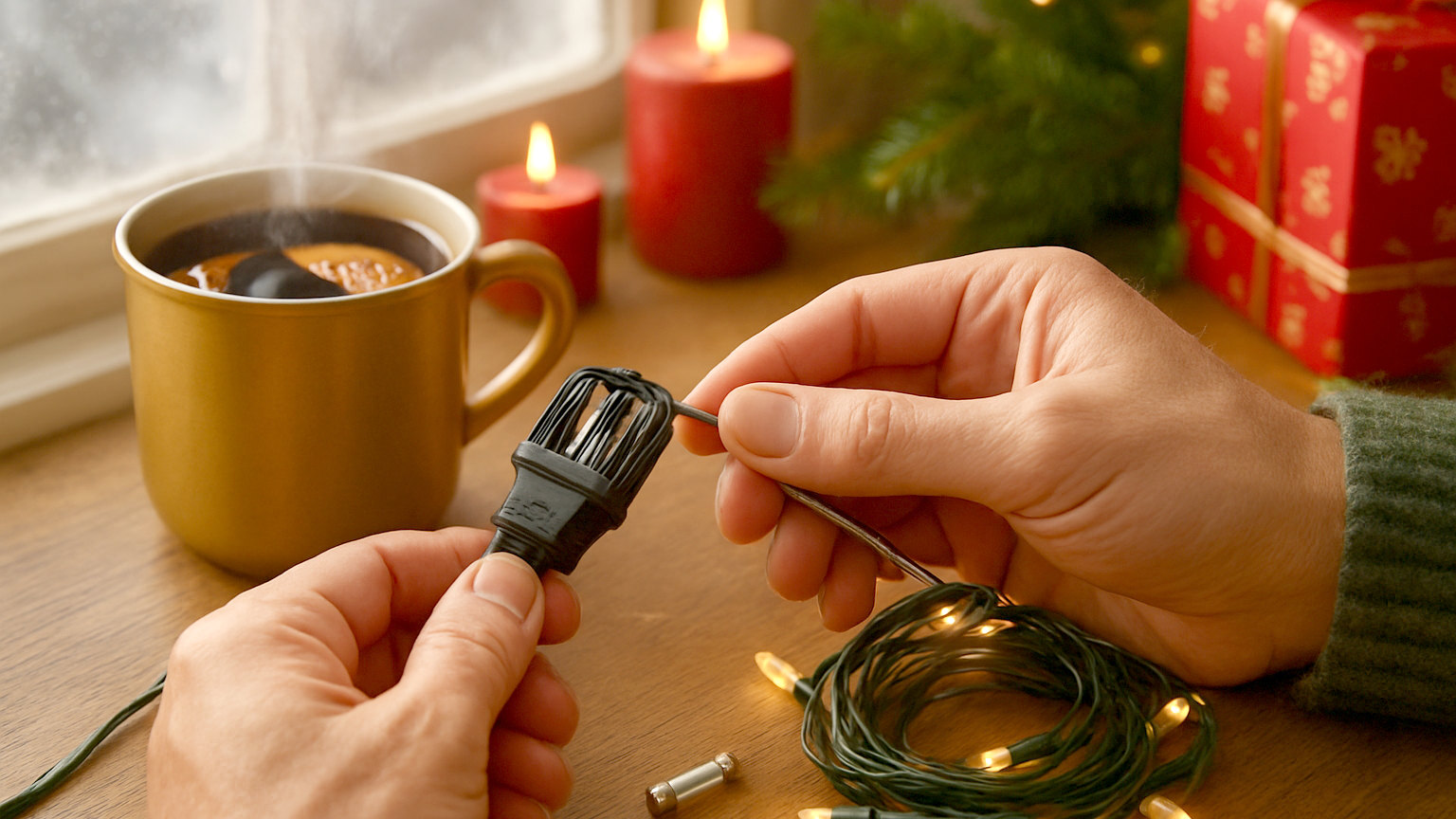
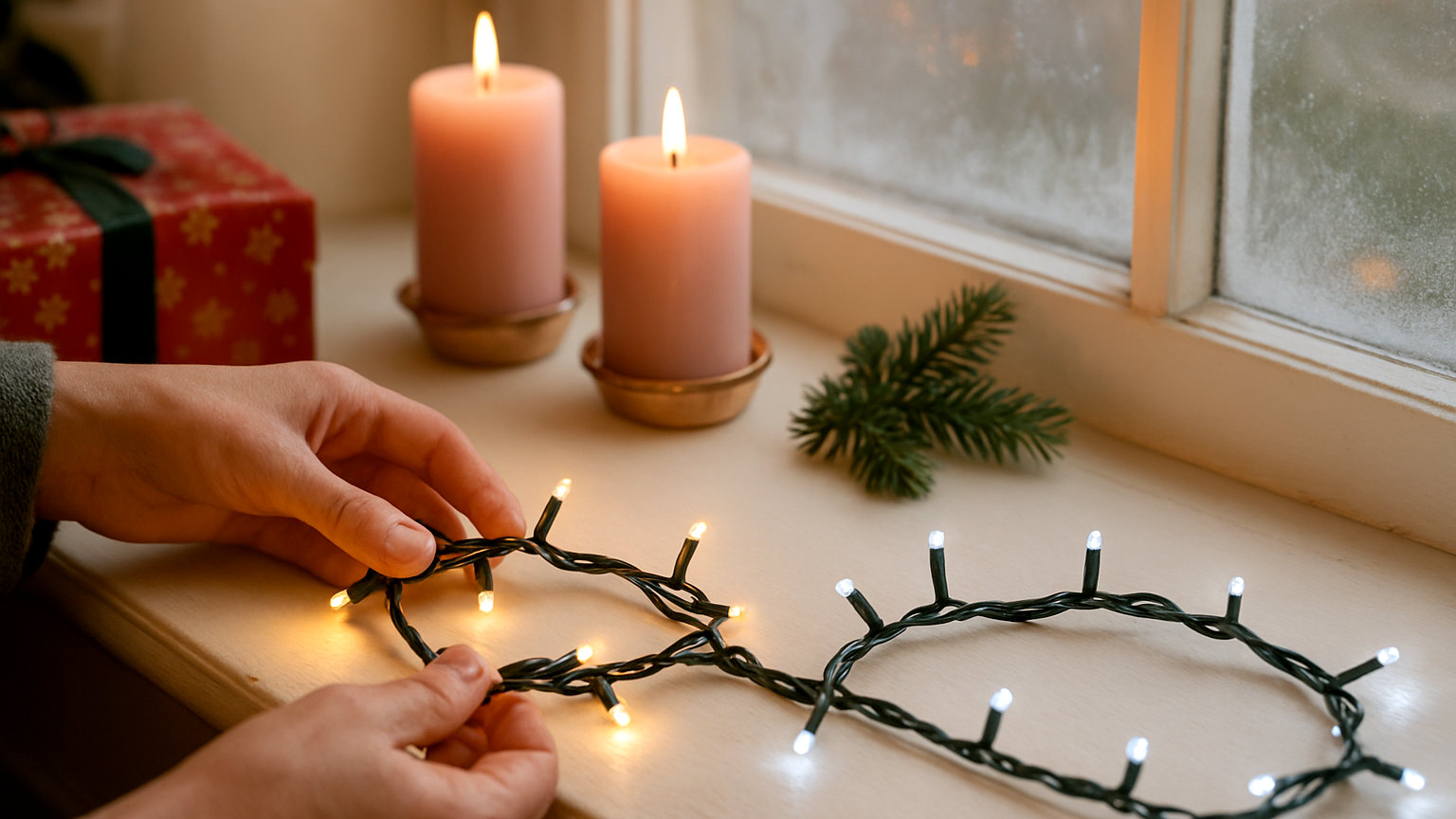
Most dead sets are not dead. What to check first, why the fuse in the plug is usually the answer, and when a set genuinely should be thrown away.
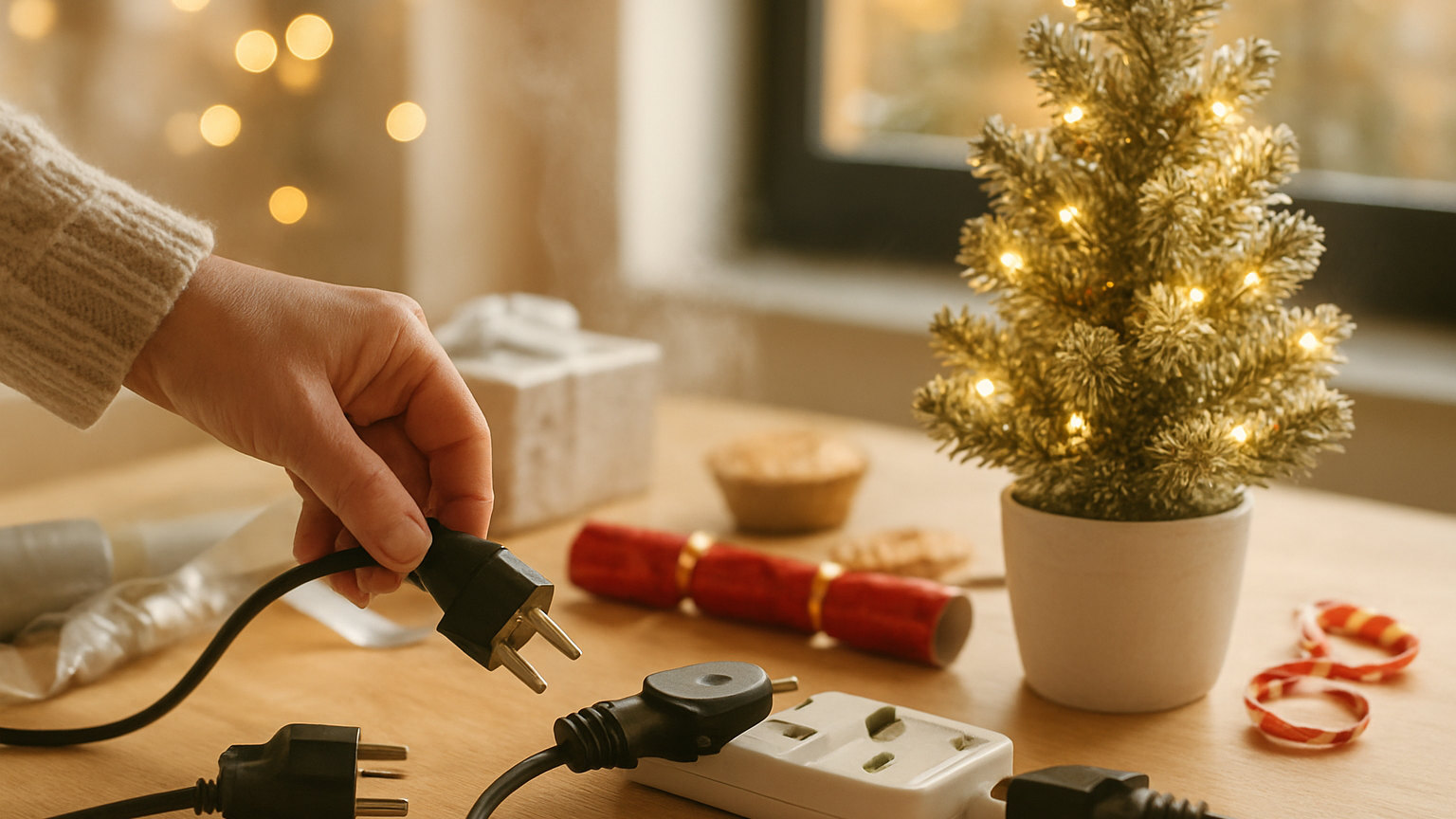
Every set states a maximum and almost nobody reads it. Why the limit exists, what happens if you exceed it, and how to work out what an extension lead can carry.
Modern LED sets run cool, which is reassuring but not the whole answer. What actually causes fires, why unattended is the word that matters, and what a timer solves.
Most sets now come with eight functions and one of them is worth using. Why steady looks more expensive, and why rapid flashing is worth avoiding for reasons beyond taste.
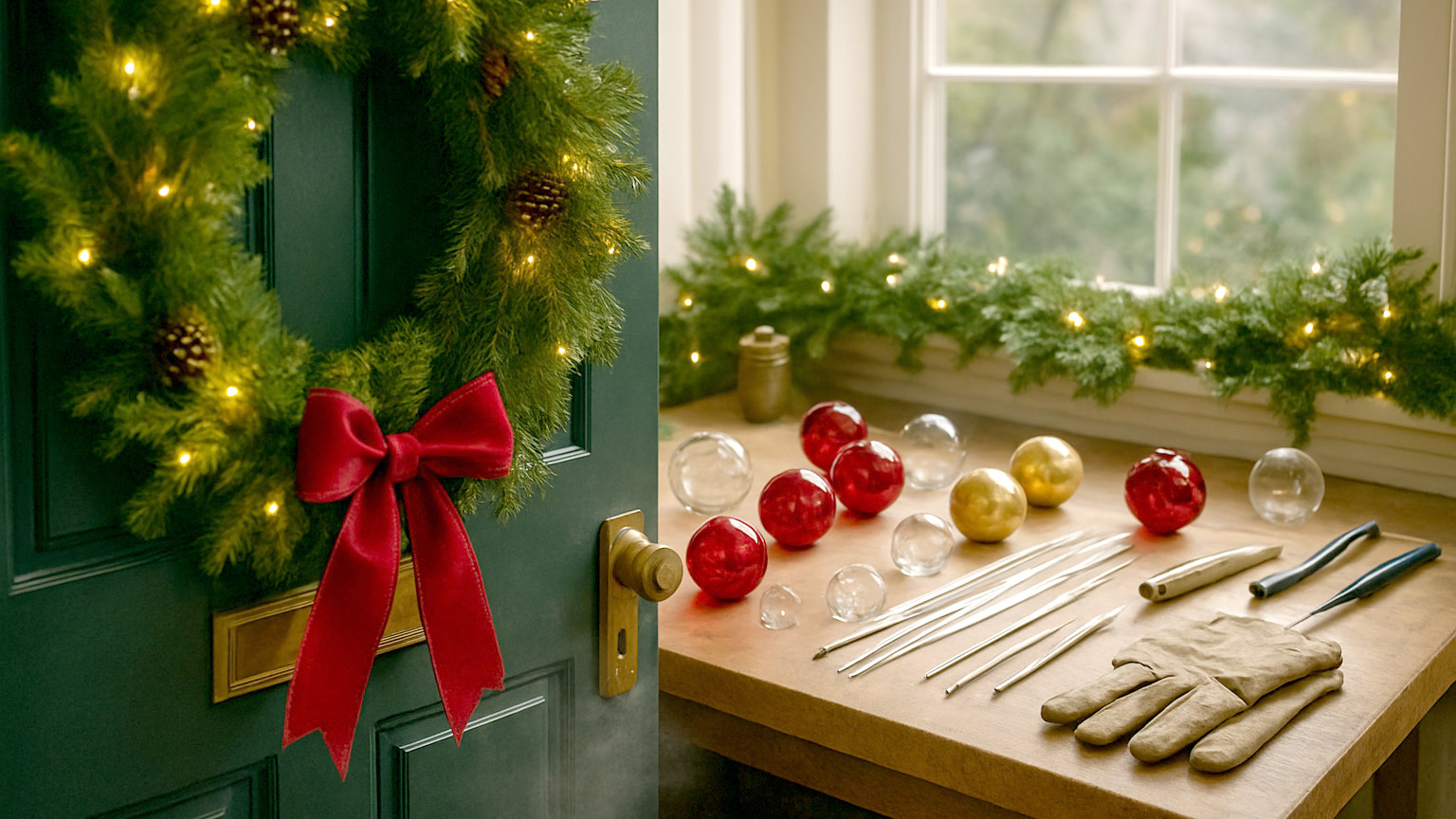
The whole tradition traces back to one glassmaking town in Germany. How they were invented, how a hand blown bauble is actually made, and how to tell one.
The two look completely different in a room and the choice is not a matter of taste alone. What the colour temperature numbers mean, which suits which scheme, and why mixing them fails.
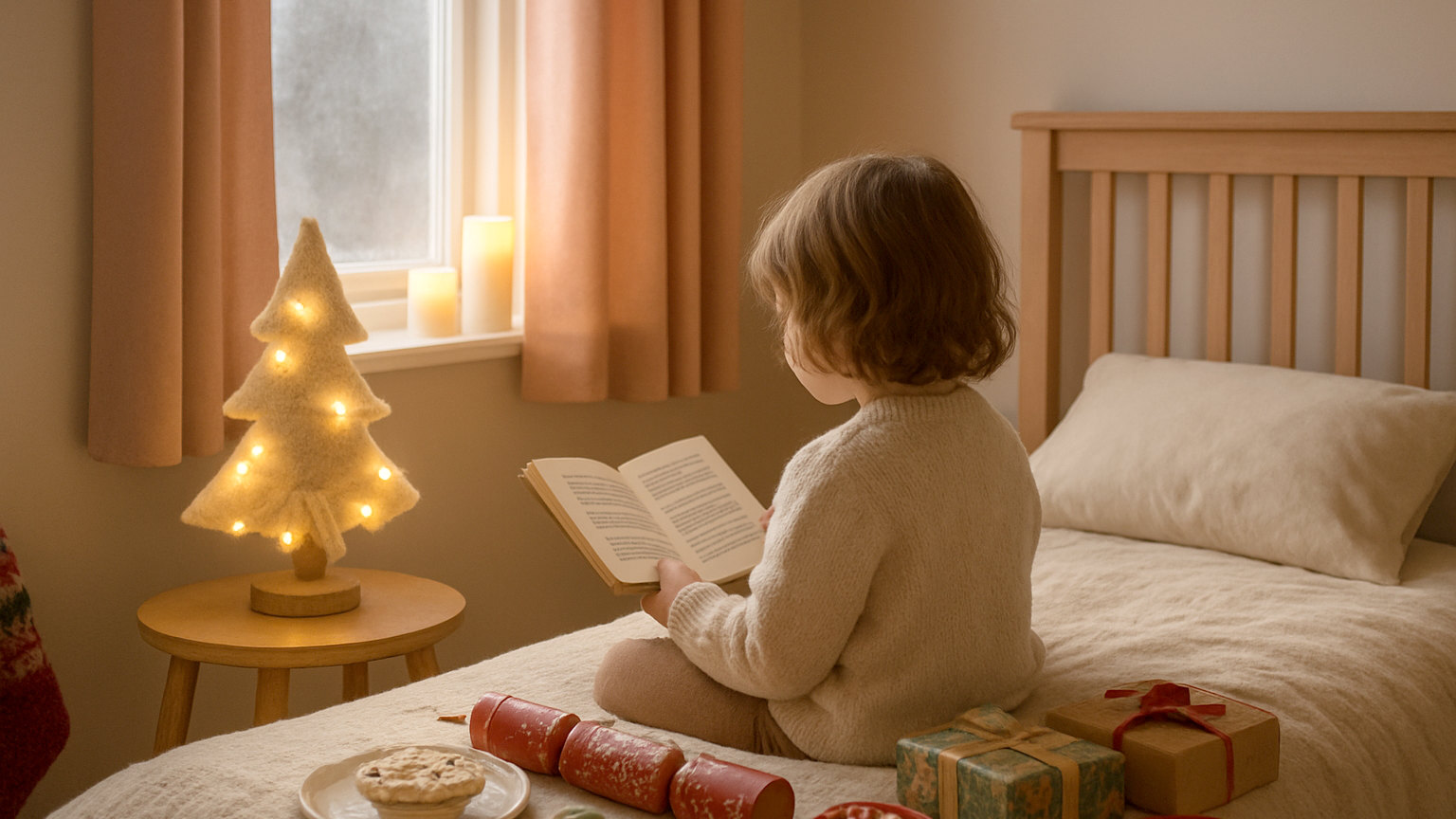
A child bedroom is the one place where the safety questions are not theoretical. Why battery is the right answer, what a cot changes entirely, and how to set the timer.