Warm white and cool white lights look entirely different in a room, and a set bought without checking which it is can undermine an otherwise careful decorating scheme. The difference is measured in kelvin, it is printed on most packaging, and it is one of the few decorating decisions where the technical number tells you exactly what you will get.
What do the numbers mean?
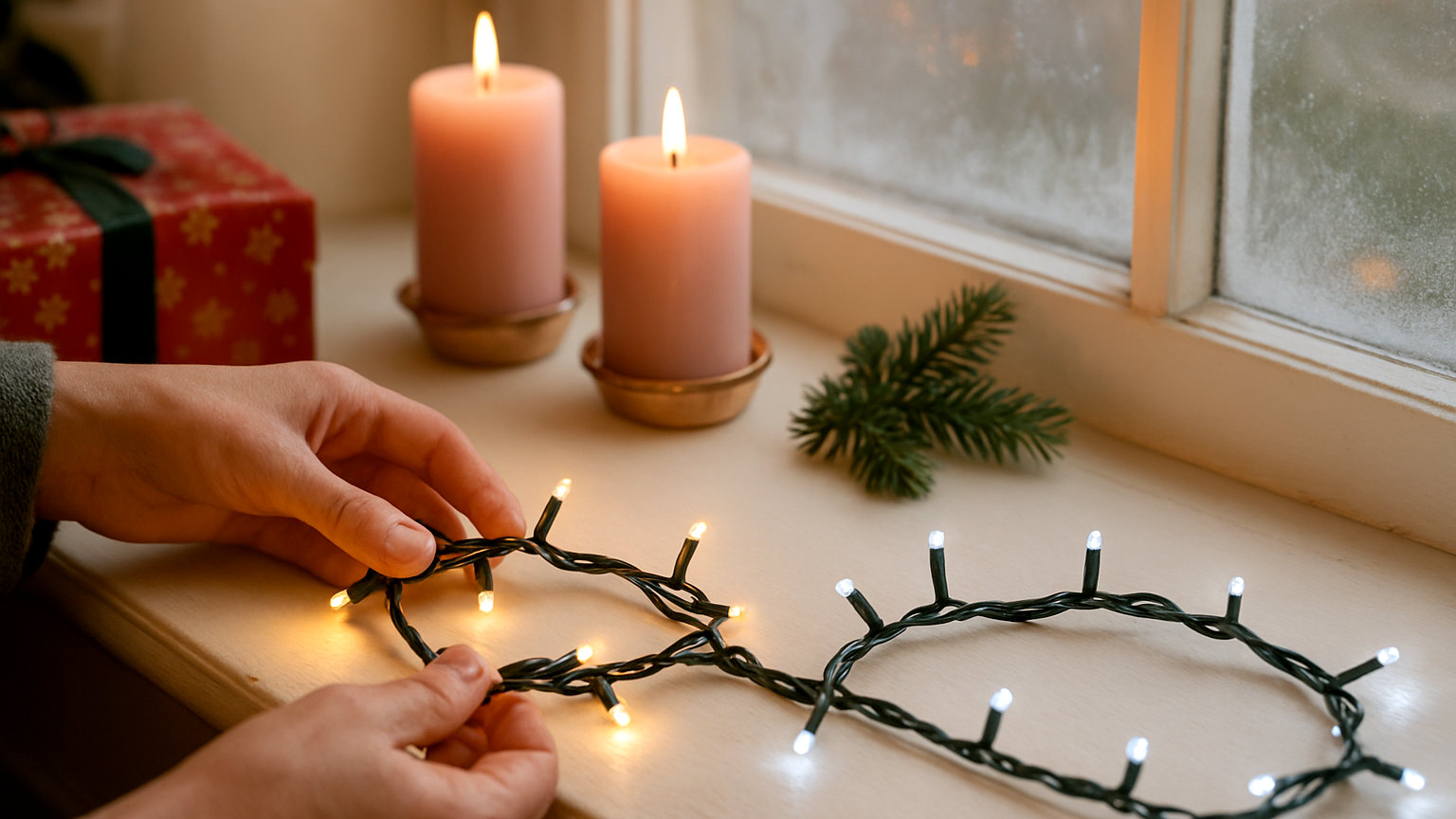
Colour temperature is given in kelvin, and counterintuitively the lower the number the warmer the light. Around 2700K is warm white, close to an old filament bulb or candlelight. Around 4000K is neutral. Anything from 5000K upwards is cool or daylight white, which reads as blue by comparison. Most Christmas sets are either roughly 2700K or around 6000K, with little in between.
Which suits which scheme?
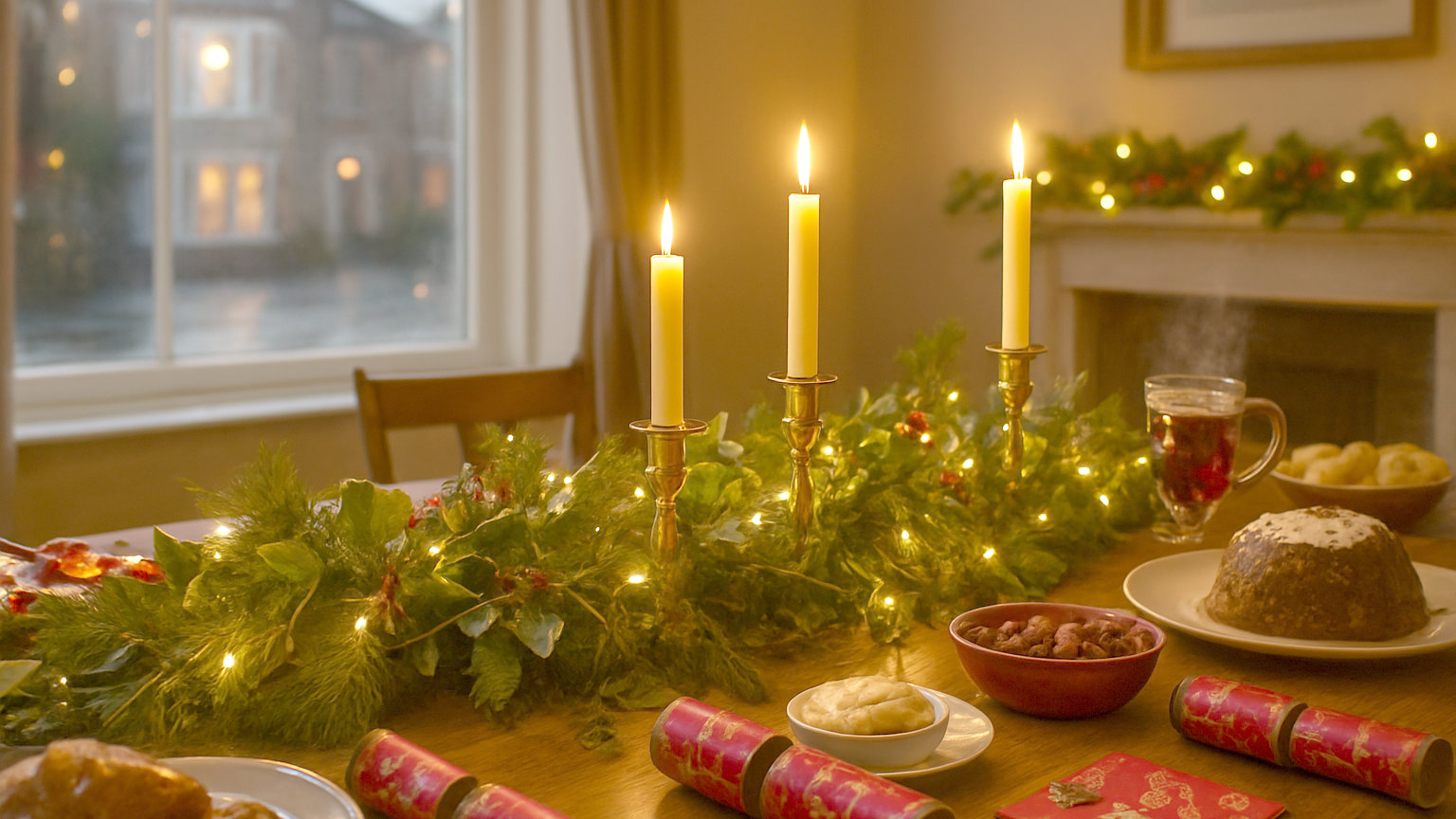
Warm white suits gold, red, brass, wood, tartan and anything traditional, and it flatters a room with warm colours in it. Cool white suits silver, white, ice blue and anything Scandinavian or contemporary, and it reads as frost. Put warm lights on a silver and white tree and the effect turns yellow; put cool lights on a gold and red one and the gold looks grey.
Why does mixing them look wrong?
Because the eye adjusts to whichever is dominant and then reads the other as a colour cast rather than as white. Two sets of different temperatures on the same tree looks like a fault rather than a choice, with one half appearing yellow and the other appearing blue. If you are adding to an existing set, match the temperature or replace the lot.
Check the kelvin figure on the box rather than the word on the front. Manufacturers use warm and bright white loosely, and the number is the only reliable description.
What about coloured lights?
Entirely a matter of taste and household tradition, and the argument between multicoloured and white lights is one of the more entrenched Christmas disagreements. Multicoloured suits a tree hung with mixed, accumulated decorations rather than a colour scheme, which is what most family trees actually are. Sets that switch between white and colour solve the argument in households that cannot agree.
Are LED lights different from the old ones?
Considerably. They use a fraction of the electricity, they run cool rather than hot, they last far longer, and one bulb failing does not usually take out the whole string. The early LED sets had a hard blue tint that put a lot of people off, and modern warm white LEDs no longer have that problem. If your only experience of LED lights is from fifteen years ago, it is worth looking again.
Does the same rule apply outdoors?
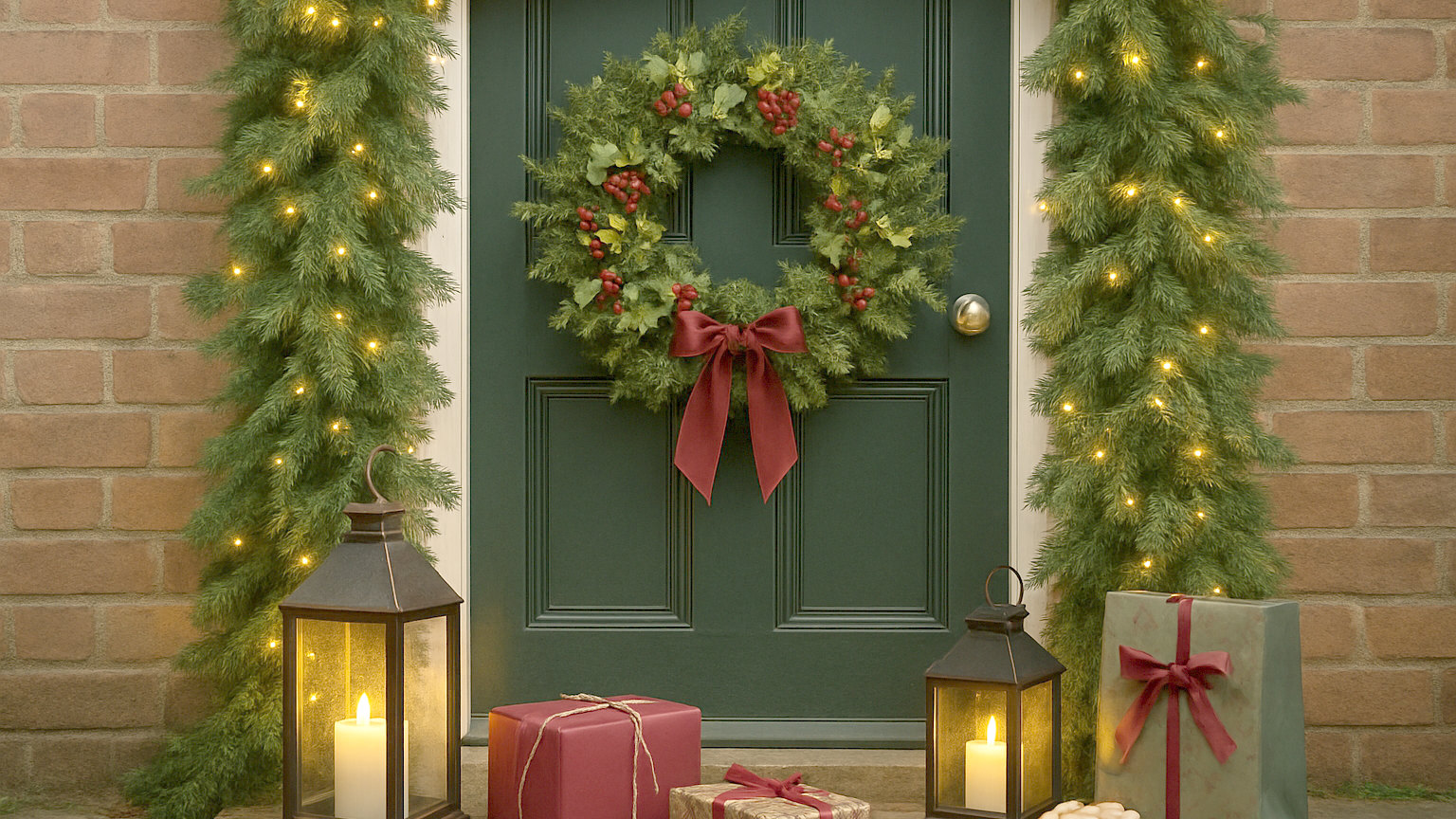
The same colour logic applies, but the context is different. Cool white reads well against snow, brick and evergreen and looks crisp from a distance. Warm white looks softer and more welcoming around a door or a porch. Many houses use warm white close to the building and cool white further out, which works because the two are visually separated rather than mixed on the same run.
What should you buy if you are starting from scratch?
Warm white, in more quantity than you think you need, from a range that will still be sold next year so you can add to it. Warm white is more forgiving, suits more decorating styles, and photographs better in a room. Buy sets that can be linked, check the total wattage against what you plan to connect, and keep the packaging, which is where the spare fuses and bulbs live.
Does the tree colour change the answer?
A darker green tree such as a Nordmann carries warm white particularly well, while a blue spruce with its silver cast suits cool white and can look slightly muddy under warm light.
An artificial tree in white or silver is designed for cool white and will look cream rather than white under a warm set, which is worth checking before buying several boxes.