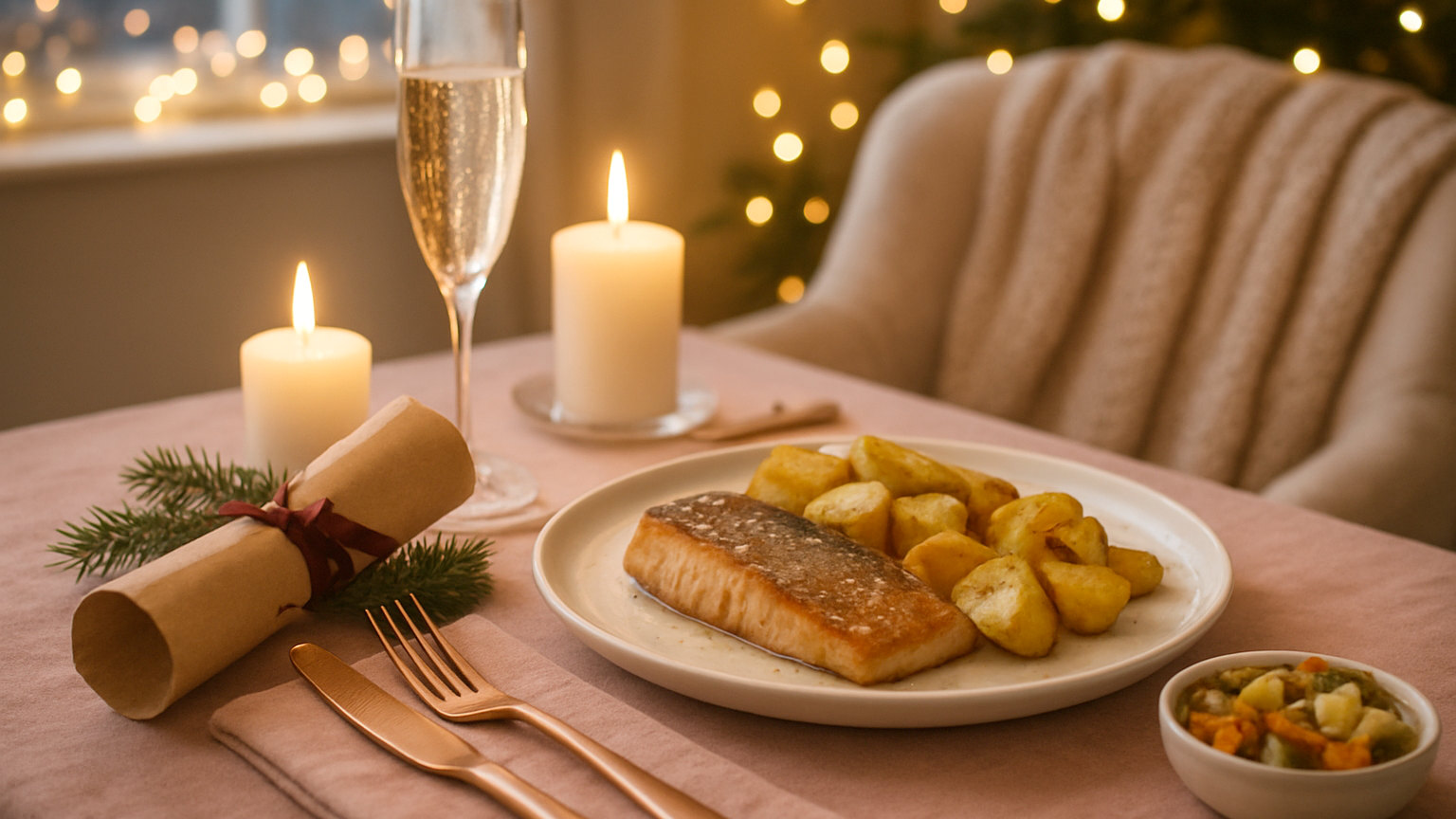
Christmas is observed enthusiastically across much of East Asia in countries where Christians are a very small minority, and the version practised there has almost nothing to do with the western one. It is largely secular, largely commercial, frequently romantic rather than familial, and in Japan it involves fried chicken booked weeks in advance.
What happens in Japan?
Christmas Eve is primarily a couples occasion, closer in character to Valentine Day than to a family gathering. Restaurants are booked out, cities put on extensive illuminations, and couples exchange presents. It is not a public holiday and most people work on the twenty-fifth. Families with young children mark it with a cake and small gifts, but the main event is the evening of the twenty-fourth.
Why fried chicken?
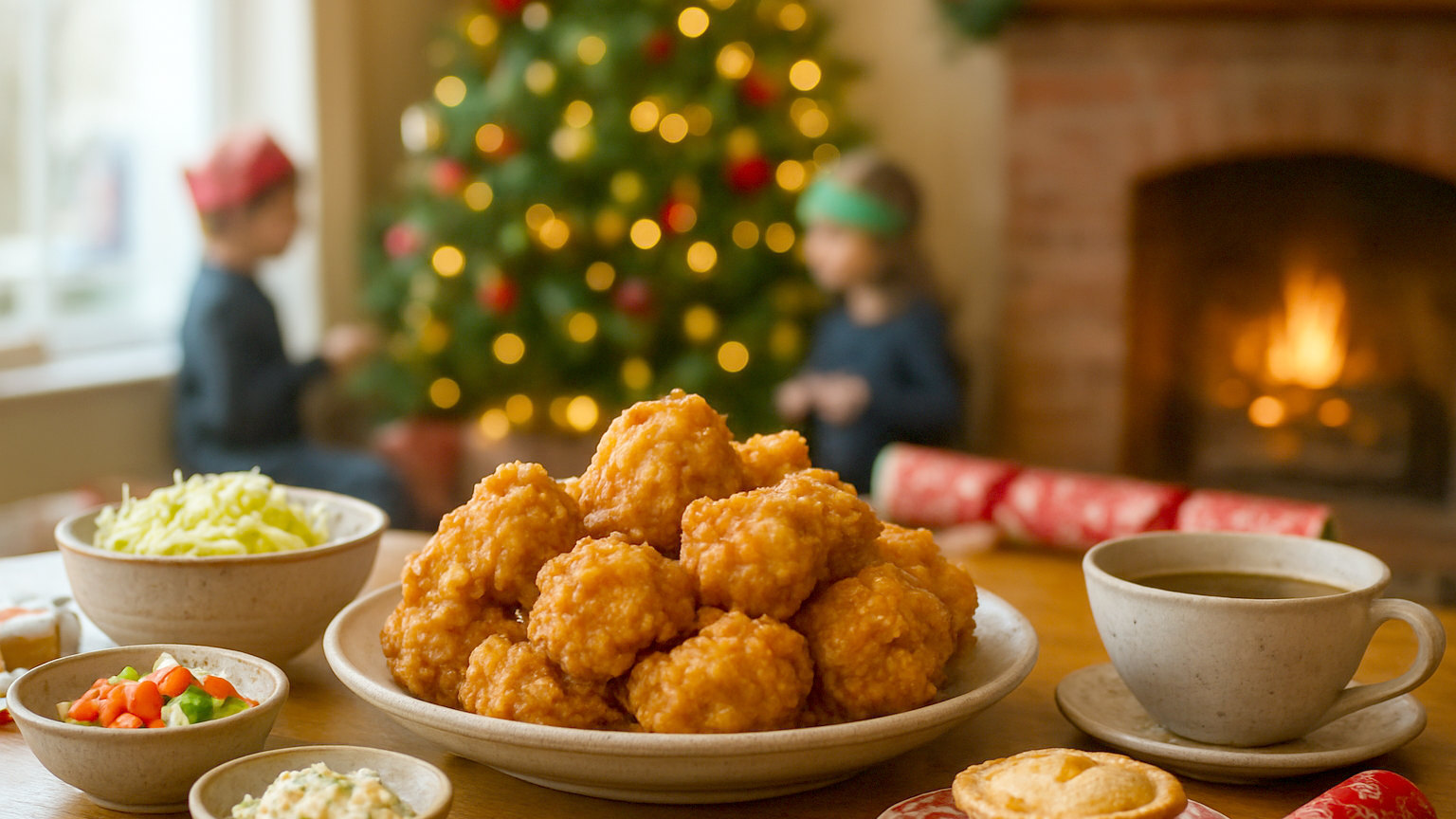
Because of a marketing campaign. A fast food chain ran a Christmas promotion in the mid 1970s which caught on completely, in a country with no established Christmas meal of its own to compete with. Ordering a Christmas chicken bucket is now a genuine national tradition, orders are placed weeks in advance, and queues on the day are substantial.
What is the Christmas cake?
A sponge with whipped cream and strawberries, entirely unlike the British fruit cake, and eaten by almost everybody on Christmas Eve. It became established in the post war period as a symbol of prosperity, when both refrigeration and imported sugar were new. The phrase Christmas cake also acquired an unkind slang meaning about unmarried women which has largely fallen out of use.
The Japanese Christmas chicken tradition began with a 1970s advertising campaign and is now genuinely universal. It is the clearest example anywhere of a tradition created outright by marketing.
What about South Korea?
Different, because South Korea has a substantial Christian population and Christmas Day is a public holiday. Churches hold services, decorations are widespread, and it functions as both a religious festival for some and a secular winter occasion for everybody else. It is also a couples occasion, though with more of a family element than in Japan.
What happens in China?
Christmas is not a public holiday and is largely a commercial and youth occasion, marked in cities with decorations, shopping and dining out. One local custom is the giving of apples on Christmas Eve, which arose from a play on words between the Chinese for Christmas Eve and the word for apple, and which exists nowhere else.
What about the Philippines?
An entirely different case, since the Philippines is majority Catholic and has one of the longest Christmas seasons in the world, with decorations and music appearing from September. The dawn masses in the nine days before Christmas are a major tradition, as is the parol, a star shaped lantern displayed outside homes.
What does it suggest about the festival?
That the exportable parts are the lights, the food, the gift giving and the sense of occasion, and that the religious content does not travel with them. It also shows how quickly a tradition can be established from nothing, given a gap and a good campaign, which is a useful thing to hold in mind when anybody insists that Christmas has always been done a particular way.
What does it look like in the cities?
Illuminations on a scale that puts most European displays in the shade, running from November through to February in several Japanese and Korean cities, and treated as a destination in their own right.
These are genuinely worth travelling for, and they are a reminder that the light in midwinter is the part of the festival that translates most easily to anywhere.
What is the wider pattern?
That the festival travels as a season rather than as a belief, and that it fills whatever gap exists in the local calendar. Where there is no midwinter occasion, it becomes one; where there is, it sits alongside.
That is exactly how it spread across Europe in the first place, absorbing local customs rather than replacing them, which makes the East Asian version less of a departure than it first appears.