There is no correct date for putting up a Christmas tree, and the confident assertions people make about it are custom rather than rule. There are several traditional dates, each with a reason behind it, and one practical constraint that overrides all of them if the tree is real. Knowing which is which lets you make the decision on grounds that suit your household rather than somebody else.
What does Advent mark?
Advent begins on the fourth Sunday before Christmas Day, which falls between the twenty-seventh of November and the third of December depending on the year. It is the start of the church season leading up to Christmas, and for many households it is the natural signal that decorating can begin. It has the advantage of moving with the calendar rather than landing awkwardly mid week.
What about the twelve days?
The twelve days of Christmas run from Christmas Day to the fifth of January, ending at Twelfth Night, rather than counting down to the twenty-fifth as the modern usage assumes. Counting twelve days back from Christmas gives the thirteenth of December, which some families use as their date. Both readings are in circulation and neither is wrong, though the original meaning is the one after Christmas rather than before it.
When was it traditionally done?
Considerably later than now. Within living memory many British households decorated on Christmas Eve itself, and in some families that is still the practice. The gradual shift earlier through the twentieth century has more to do with retail and with electric lights that do not have to be lit than with any change in custom. Christmas Eve remains the most traditional answer if anybody asks.
If the tree is real, work backwards from Twelfth Night rather than forwards from a date that feels right. A tree put up in November will not still look good on the fifth of January.
What is the practical constraint?
How long a cut tree lasts. A well watered Nordmann fir will hold up for four to five weeks, which means the first weekend of December is about as early as you can go if it needs to survive to Twelfth Night. A Norway spruce has less time in it and is better put up in the second week. An artificial tree has no constraint at all, which is part of its appeal.
When should it come down?
Twelfth Night, which is the fifth or the sixth of January depending on how you count, and the tradition holds that leaving decorations up beyond it brings bad luck. Whether or not you take that seriously, it is a sensible working deadline, since a real tree is past its best by then and January is easier to face without them.
Is it worth putting it up in stages?
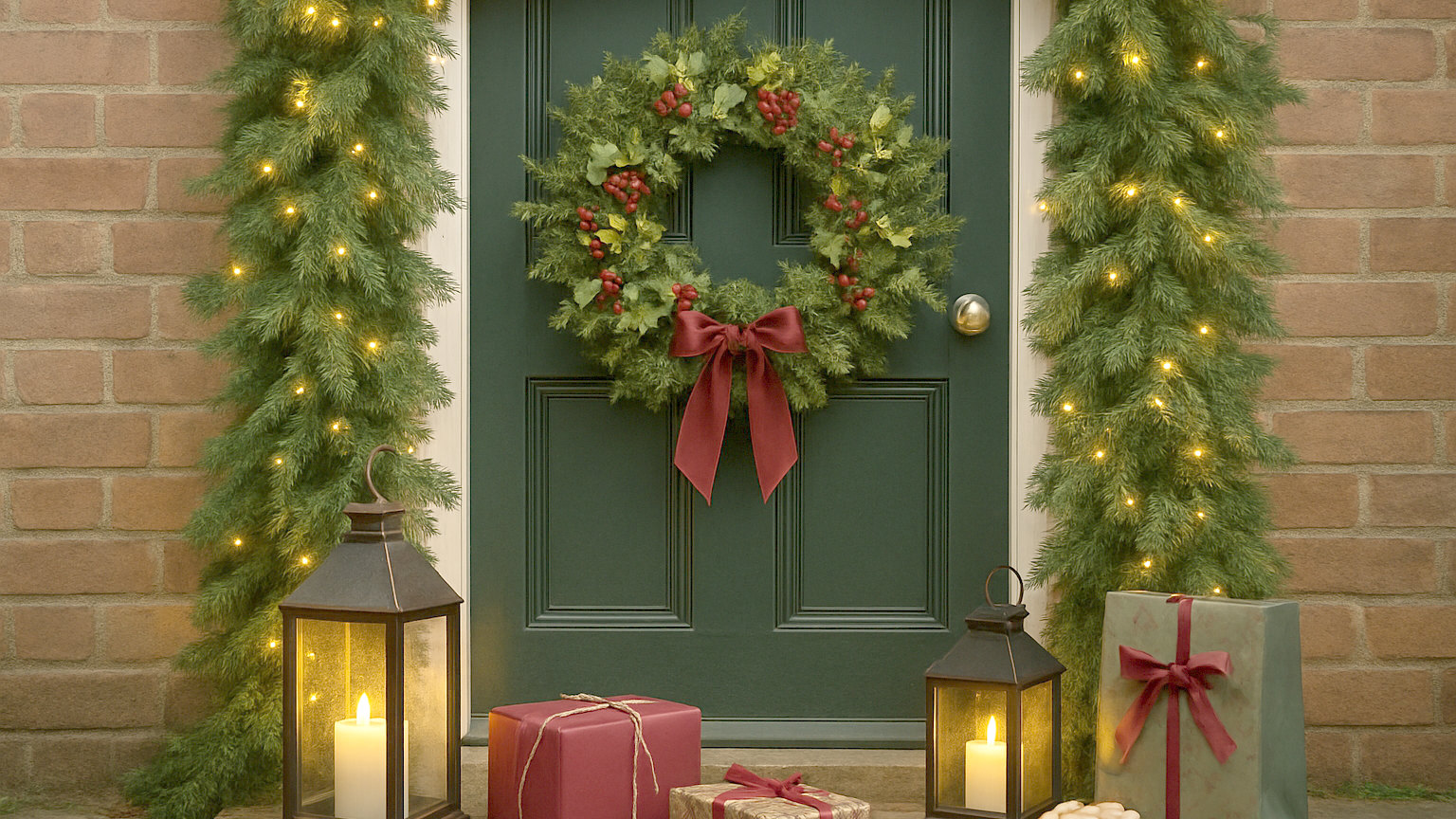
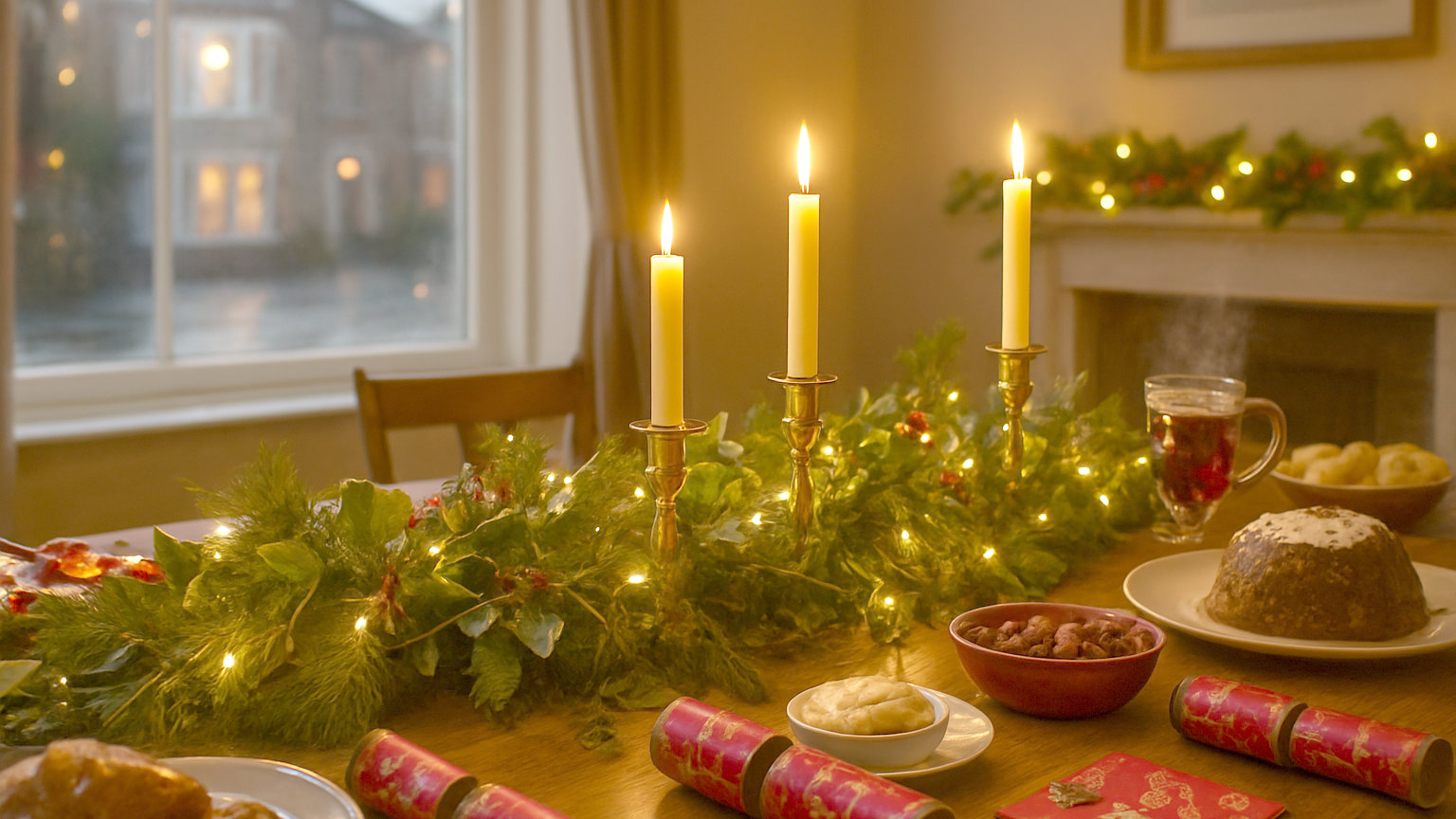
Several households do, and it works well. Outdoor lights and a wreath go up in late November, the tree in early December, and the table decorations on Christmas Eve. It spreads the work, it gives the season a shape rather than a single frantic afternoon, and it means the tree is up for a shorter period while the house still feels decorated for longer.
Does it matter what the neighbours do?
Not remotely, though it is worth acknowledging that the date carries a surprising amount of feeling for some people. Households with young children, or anybody who has had a difficult year, frequently put the tree up early because the point of it is the weeks it is there rather than the day itself. That is as good a reason as any tradition on this page.
Does it depend on whether there are children?
In practice it usually does, and there is no reason to pretend otherwise. Households with small children frequently decorate in late November because the weeks of anticipation are the point rather than the day itself, and a tree standing for five weeks is doing five weeks of work.
A household without children often prefers a shorter season, closer to the traditional mid December, and finds a tree that went up in November tired by Boxing Day. Both are correct for the household making the decision.