
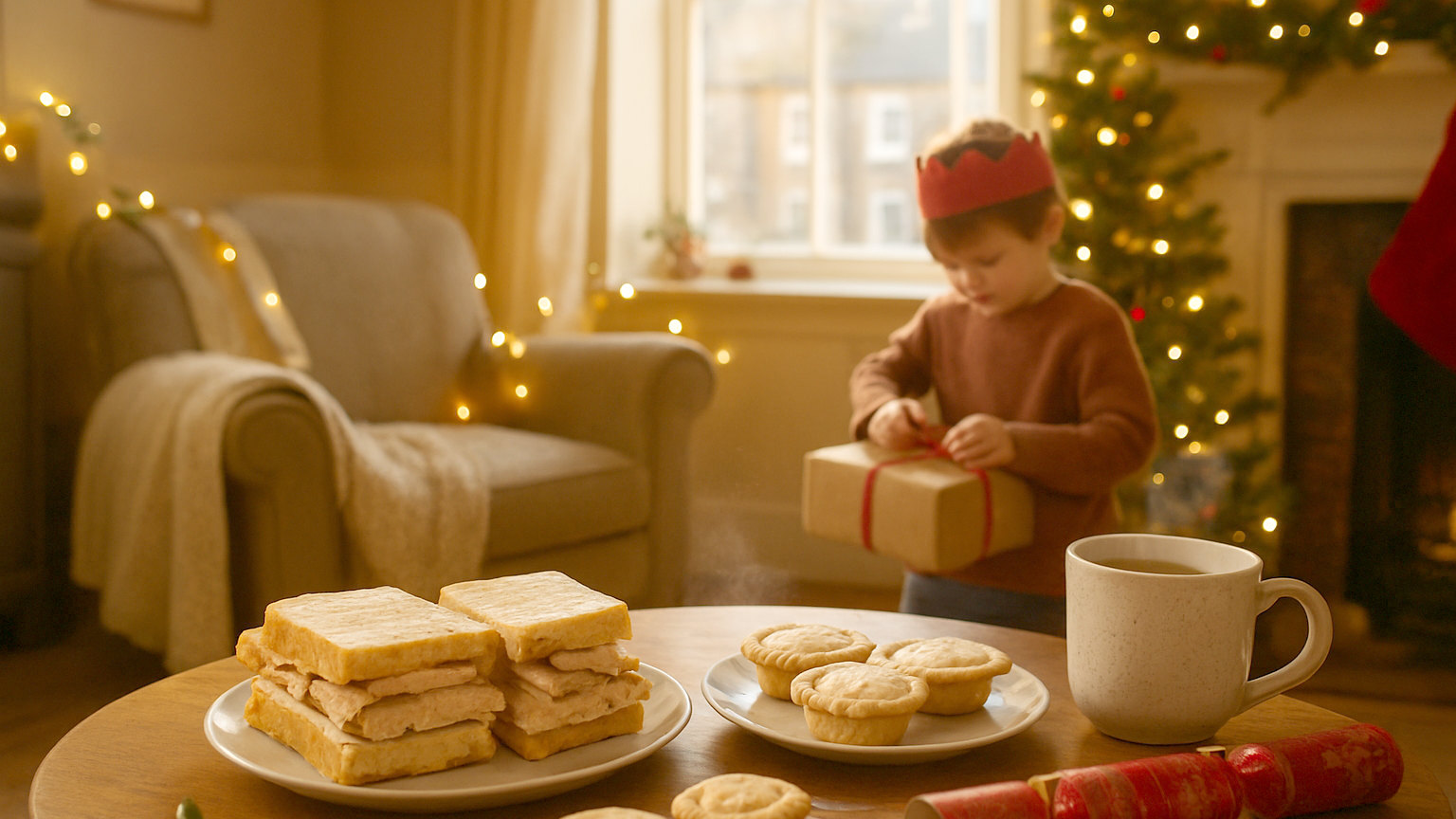
Nobody is entirely certain where the name Boxing Day comes from, which is unusual for a public holiday. There are three plausible explanations, all involving a box of some kind, and they are not mutually exclusive. What is clear is that the day was traditionally about giving to people who had worked through Christmas, which is nearly the opposite of what it is now.
What is the first explanation?
The Christmas box given to servants and workers. In households with staff, the twenty-fifth was a working day, and the twenty-sixth was when servants were given the day off, a box of leftovers, gifts or money, and sent to visit their own families. That practice is well documented in the eighteenth and nineteenth centuries and is the most commonly cited origin.
What is the second?
The alms box in churches, opened on the day after Christmas and its contents distributed to the poor. This connects the day to Saint Stephen, whose feast falls on the twenty-sixth and who is associated in tradition with charity to the needy, which is the connection the carol about Wenceslas is drawing on.
What is the third?
Boxes given to tradesmen. Delivery boys, postmen, dustmen and other regular callers traditionally received a small sum at Christmas from the households they served, collected around this date. The custom of the postman knocking for a Christmas tip survived well into the twentieth century and is remembered by a good many people.
Boxing Day has nothing to do with the sport. Every explanation involves a box of money, food or charity given to somebody who had been working.
When did it become a holiday?
Formally in the nineteenth century, when bank holiday legislation fixed the days off. Before that the custom existed without any legal standing. Its status as a public holiday is why it became a day for sport and for visiting rather than remaining a day of distribution, since a whole country was suddenly free at the same time.
How did it become a sporting day?
Through the availability of an audience. Football fixtures, horse racing and hunting all established themselves on the twenty-sixth because everybody was off work and looking for something to do. In the southern hemisphere the same logic produced the Boxing Day cricket and the yacht race, both of which are now fixtures of the Australian summer.
How did the sales start?
Gradually, and then very quickly. January sales moved earlier through the twentieth century until they landed on the twenty-sixth, and online trading has since made the distinction largely meaningless. The transformation from a day of giving to workers into a day of retail is complete enough to be slightly uncomfortable when set out plainly.
Is it observed elsewhere?
Across the Commonwealth, largely, and under the name Boxing Day in Britain, Ireland, Canada, Australia and New Zealand among others. In much of continental Europe the twenty-sixth is also a holiday but is known as the second day of Christmas or as Saint Stephen Day, without the box.
What do people actually do now?
Sport, sales, leftovers and visiting whichever side of the family was not seen on the twenty-fifth, which is the arrangement most households arrive at without ever deciding on it.
It is also the day a great many people find more relaxing than Christmas itself, since nothing has to be cooked, nothing has to be timed and nobody is waiting for anything to happen.
Is the older meaning worth reviving?
Several people quietly do, by tipping the postman, the bin crew or anybody who has worked through the period, which is exactly the original custom and takes nothing but a card and a note.
Charities also report that donations made between Christmas and the new year are among the most useful of the year, which is a fair modern equivalent of opening the alms box on the twenty-sixth.
The name itself is also worth knowing simply to settle the argument, since somebody at every table each year is confident it has something to do with the sport.


