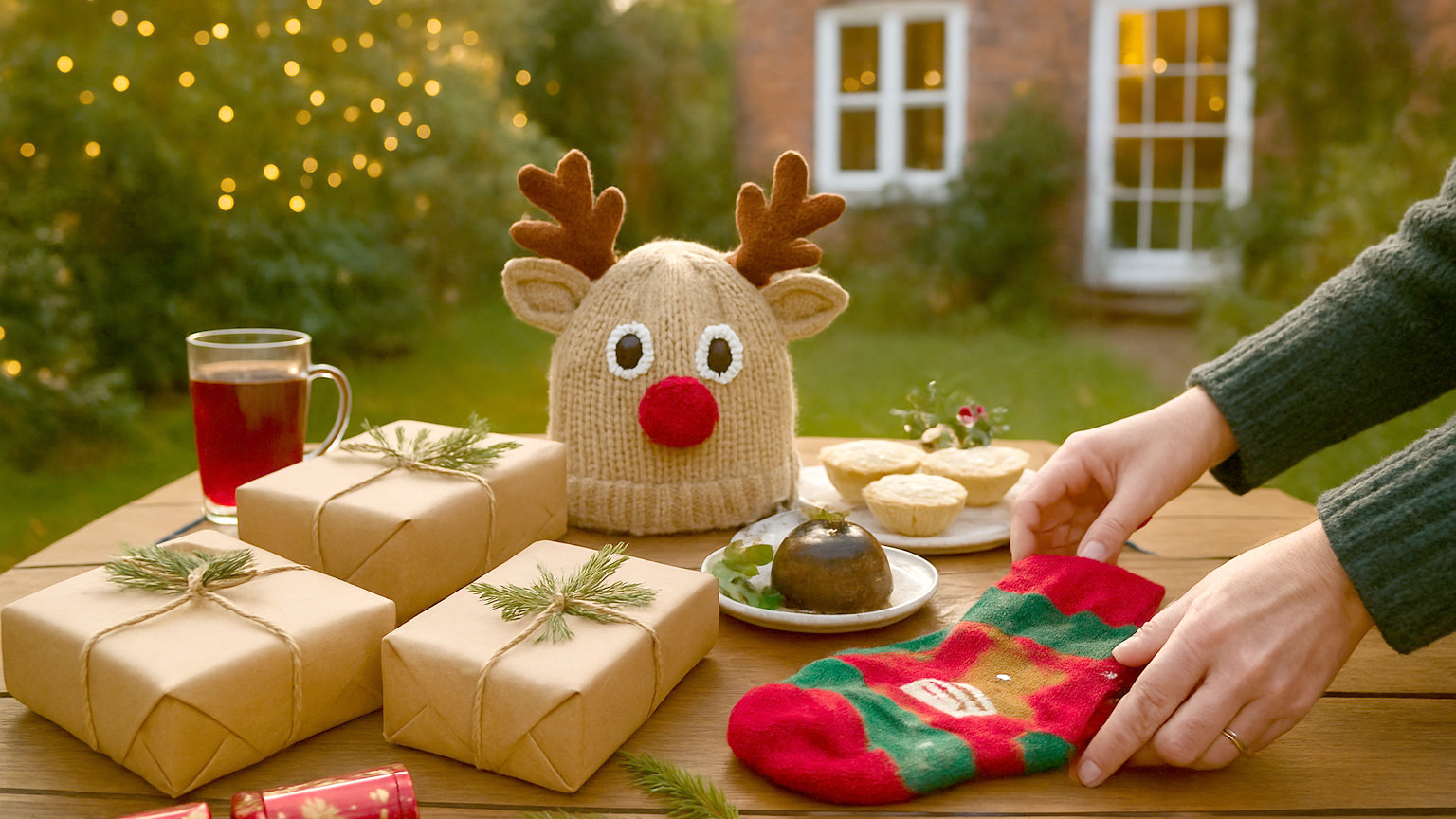
Stocking fillers are where December budgets quietly break. Individually each item is trivial, which is exactly the problem: nothing feels like a decision, so nothing gets counted, and a household with three stockings can easily spend more on the small items than on any single main present. The fix is not spending less per item but moving the buying out of December, which changes both the cost and the quality of what ends up in the sock.
Why does buying across the year cost less?
Because December shopping is done under time pressure, and time pressure means buying what is in front of you at the price it is offered. The same forty pounds spread across eleven months buys noticeably better items, because you are choosing when you see something good rather than when the calendar demands it. It also spreads the cost across several pay cheques instead of concentrating it into the most expensive month of the year.
How do you run a present box?
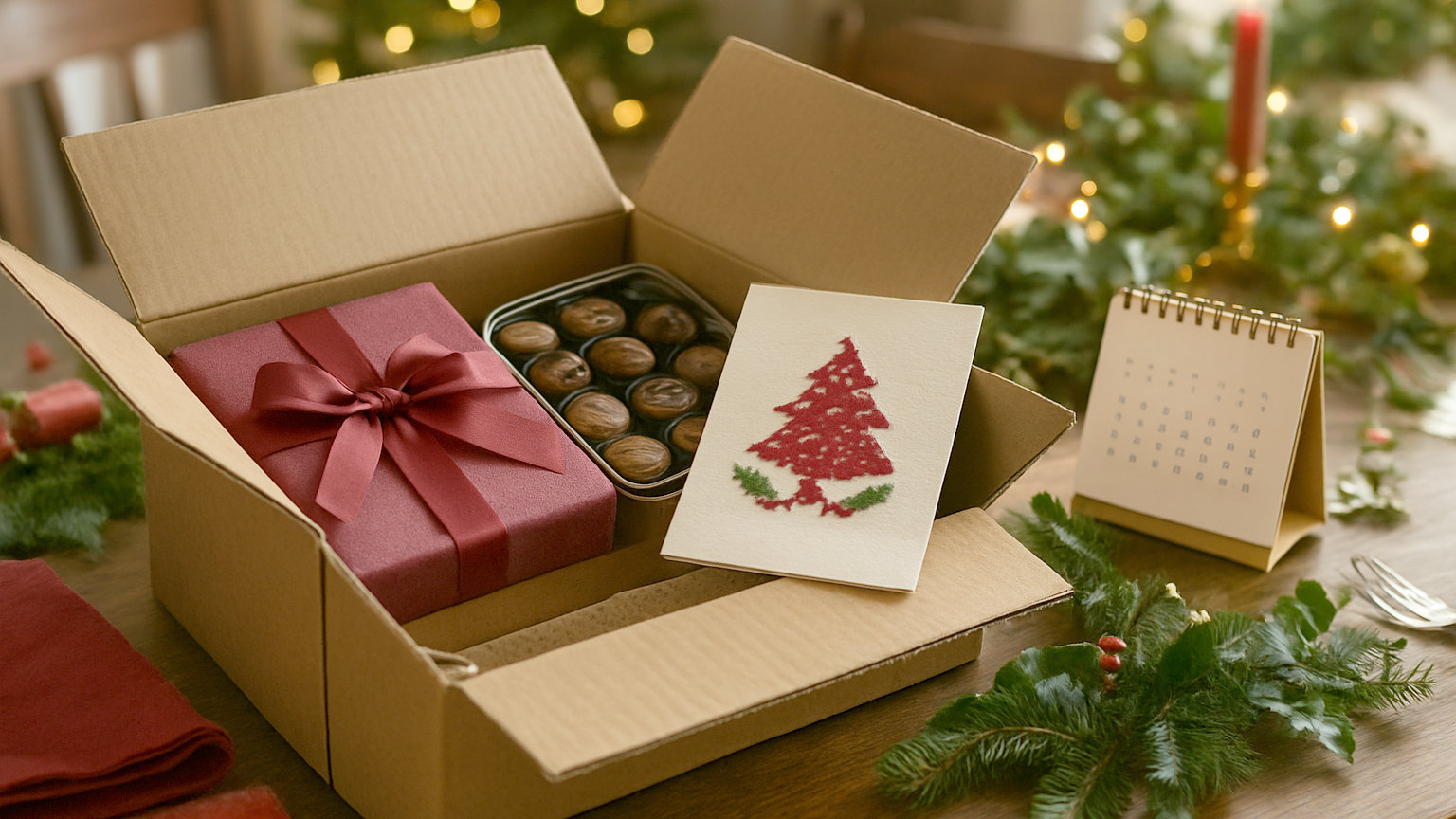
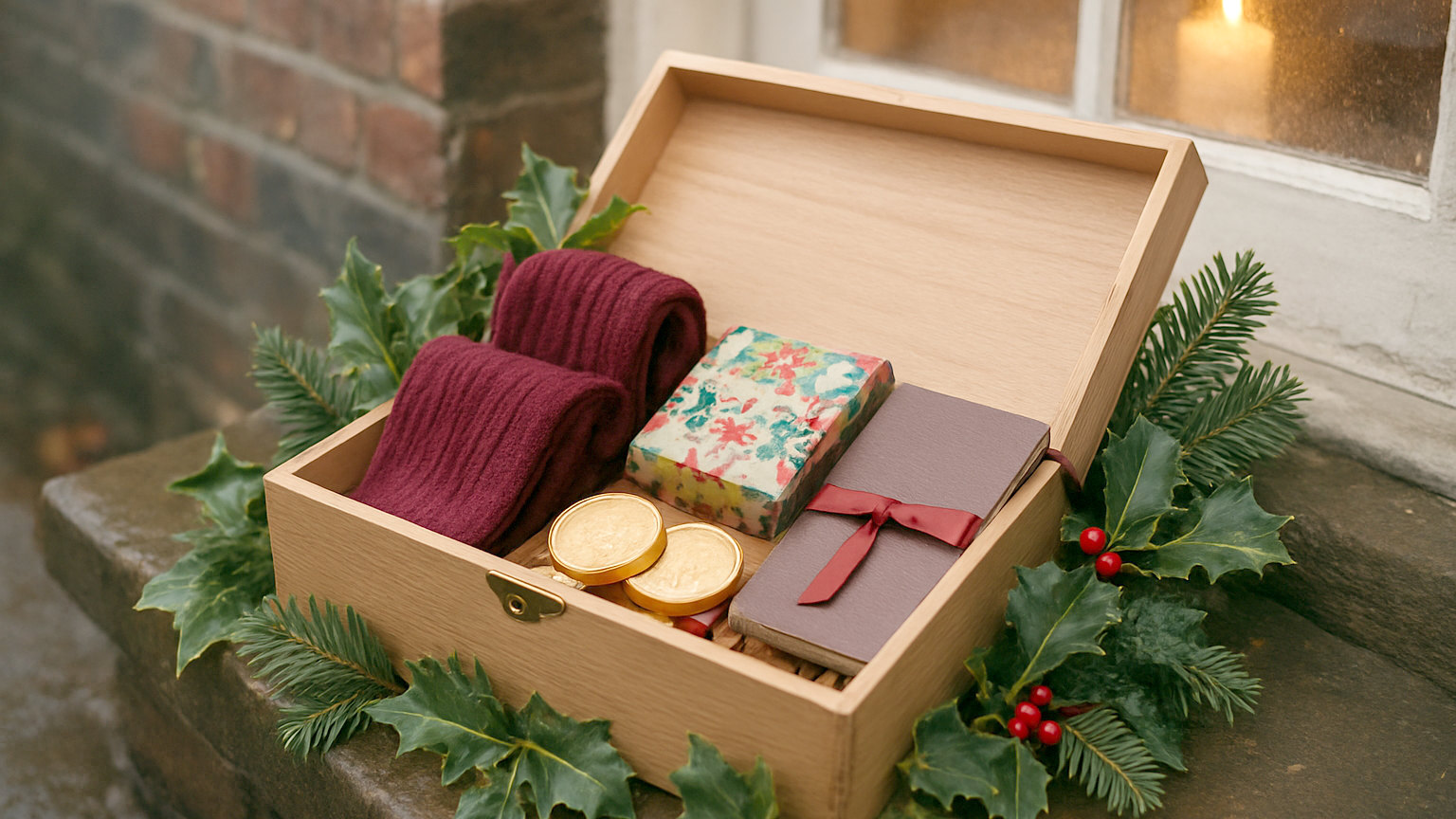
One box, one place, one rule. Anything suitable goes in it the day you buy it, along with a note of who it is for if it is obvious. Keep the box somewhere you will remember but nobody else will look, which usually means a loft, a garage or the back of a wardrobe. Check it in early November to see what you already have, since the most common failure is not overspending but forgetting the box exists until January.
Which months produce the best small items?
January, when Christmas stock is reduced and much of it is perfectly good once the seasonal packaging comes off. Summer, when holidays and markets produce things unavailable at home. Autumn, when new season stationery and warm accessories appear. Any month with a trip to a museum, a garden centre, a hardware shop or a delicatessen, all of which sell better small items than a supermarket gift aisle at a similar price.
Write a list of who is getting a stocking in October and check the box against it. That single step prevents both the duplicate purchase and the last minute panic.
What should not go in the box?
Anything perishable, which rules out most food unless it is bought in December. Anything with a battery included, since batteries left in a drawer for eight months leak. Anything for a child whose interests will have moved on by Christmas, which at younger ages means anything bought more than about four months ahead. And anything bought purely because it was reduced, which is how a present box becomes a box of things nobody wants.
How much should the whole stocking cost?
Set the figure before you start rather than discovering it afterwards. Twenty to forty pounds per stocking covers a generous one, spread across six to eight items, and knowing the number in advance is what stops the slow drift upwards. Keep a running note of what has gone in and what it cost, because the total is almost always higher than the impression left by buying one small thing at a time.
When is the last sensible date to buy?
The first week of December for anything ordered online, since delivery becomes unreliable after that and the small items are rarely worth paying express postage for. Anything edible can wait until the final fortnight and will be better for it. If you find yourself buying fillers on the twenty-third, the box was not used, and next January is the moment to start it rather than the moment to resolve to do better.
What if you are starting this year with nothing?
Start the box in the January sales rather than waiting until next autumn, since that is where the best value in the entire year sits. Anything non perishable bought at half price in the first week of January is a filler already paid for.
For this year, set aside two hours in late November and do the whole thing in one trip to a high street with a hardware shop, a bookshop and a delicatessen on it. That single trip beats six rushed December visits.