Twenty small, awkwardly shaped items is a genuinely long evening if you approach it one present at a time with a roll of paper on your knees. Done properly it takes about forty minutes, and the difference is entirely in the setup. Nobody enjoys the second hour of wrapping, so the aim is to make sure there is no second hour.
How should you set up?
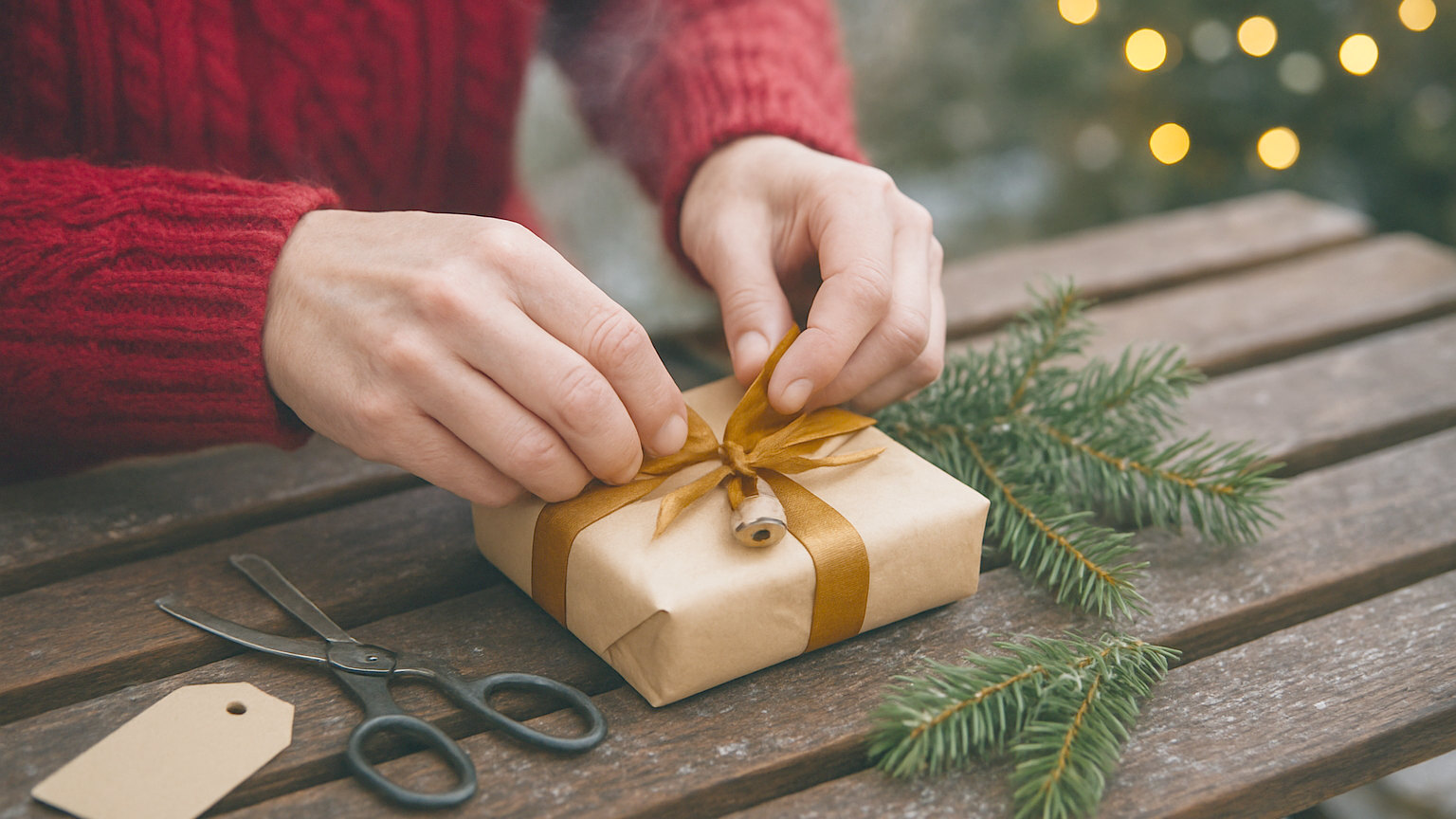
Clear a table rather than working on the floor, since the floor costs you twice the time and your back. Put everything you need within reach before you start: paper, scissors, tape on a dispenser, tags, a pen and a bin bag. Sort the items into piles by recipient first, so you are never searching. Put something on to listen to. The setup takes five minutes and saves considerably more than that.
Which method is fastest for small items?
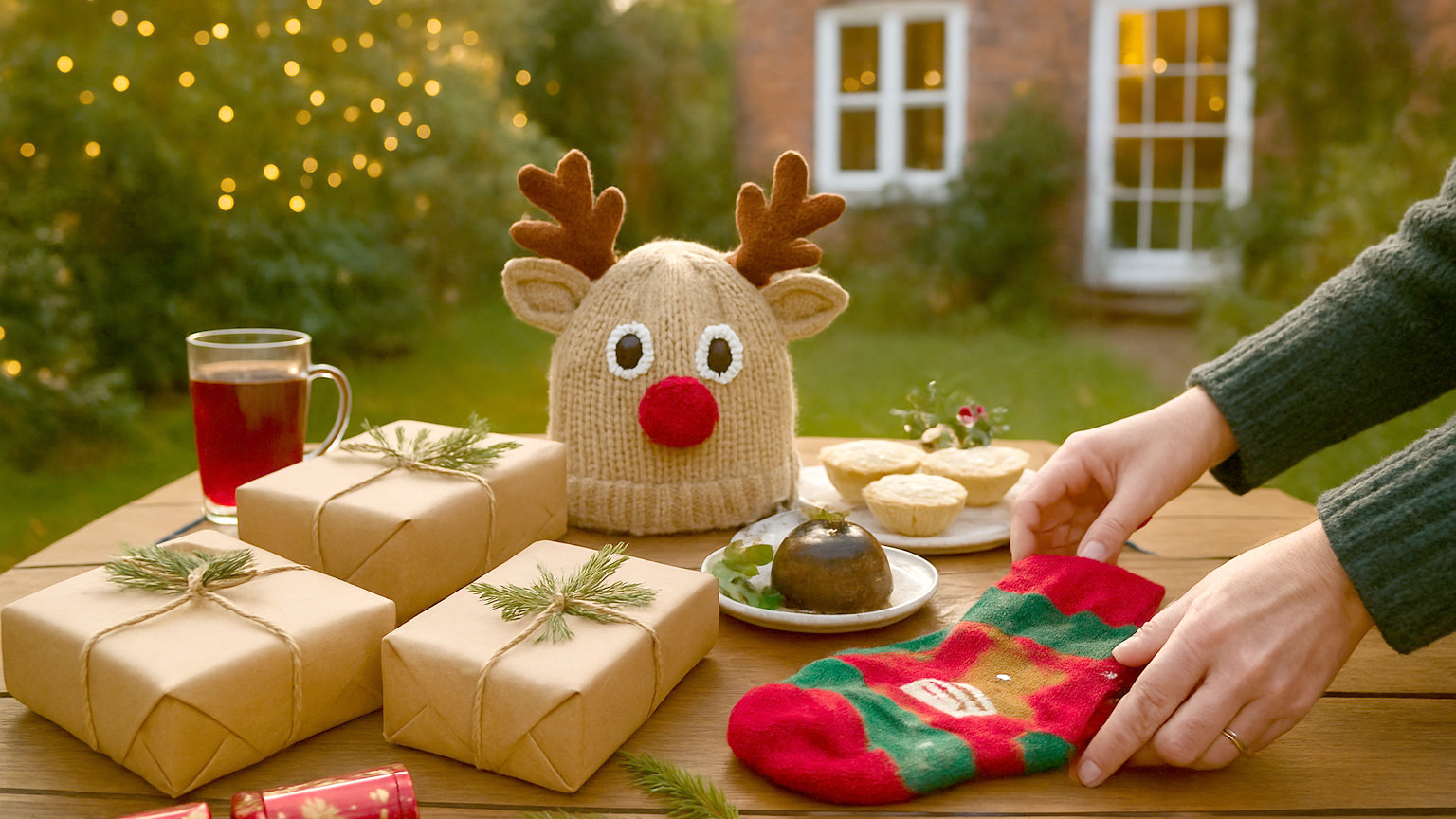
Cut several sheets to size at the start rather than measuring each time, since most stocking fillers are roughly the same size and a stack of pre cut sheets removes the slowest part of the job. For anything awkwardly shaped, the twist wrap used for sweets is faster and looks better than trying to fold paper around a curve. Small paper bags with a folded top and a stapled tag are faster still and entirely acceptable.
What about things that will not wrap?
Tubes, balls, bottles and anything soft all fight against being wrapped flat. Use bags, cellophane and ribbon, or a length of paper twisted at both ends. Small drawstring bags in fabric can be reused every year, which removes the problem permanently and takes about ten seconds per item. Nobody has ever complained that a stocking filler arrived in a bag rather than in paper.
Wrap by recipient, not by item. Finishing one whole stocking before starting the next is faster and makes it obvious when you have enough.
How do you keep track of whose is whose?
Use a different paper for each person, which removes the need for tags entirely and is the single biggest time saving available. If that is not practical, write the tag before wrapping rather than afterwards, since attaching a label to a finished parcel is fiddly. Some households use a colour of ribbon per child, which works well and looks deliberate in the photographs.
What paper should you use?
Plain kraft paper with string or ribbon is cheap, recyclable, quick to work with and looks better than most printed paper. Glittered and foiled papers cannot usually be recycled, and the test is simple: scrunch it, and if it springs back rather than staying scrunched it goes in the general waste. Thin paper tears while you are working and costs time, so slightly heavier stock is worth the small extra.
When should you do it?
An evening in early December, not the twenty-fourth. Wrapping in advance turns it from a chore into a pleasant hour, and it means the stockings can be filled in ten minutes on the night. Store the wrapped items in one bag per person, which keeps them together and makes the final filling almost instant.
How do you make the unwrapping last?
Wrap everything separately even though the items are small, because the opening is most of the point and six wrapped things beat ten loose ones. For very small children, an extra layer or two on a couple of items extends the interest considerably at no cost. Keep the paper simple enough that it comes off in one go, since a parcel that resists is frustrating rather than exciting for small hands.
What should you do with the leftover paper?
Keep the offcuts in one bag rather than throwing them out, since small pieces are exactly the right size for next year stocking fillers and for gift tags cut from the pattern.
Roll ends and half used rolls are worth storing upright somewhere dry, because paper stored folded creases permanently and is then slower to work with the following December.