
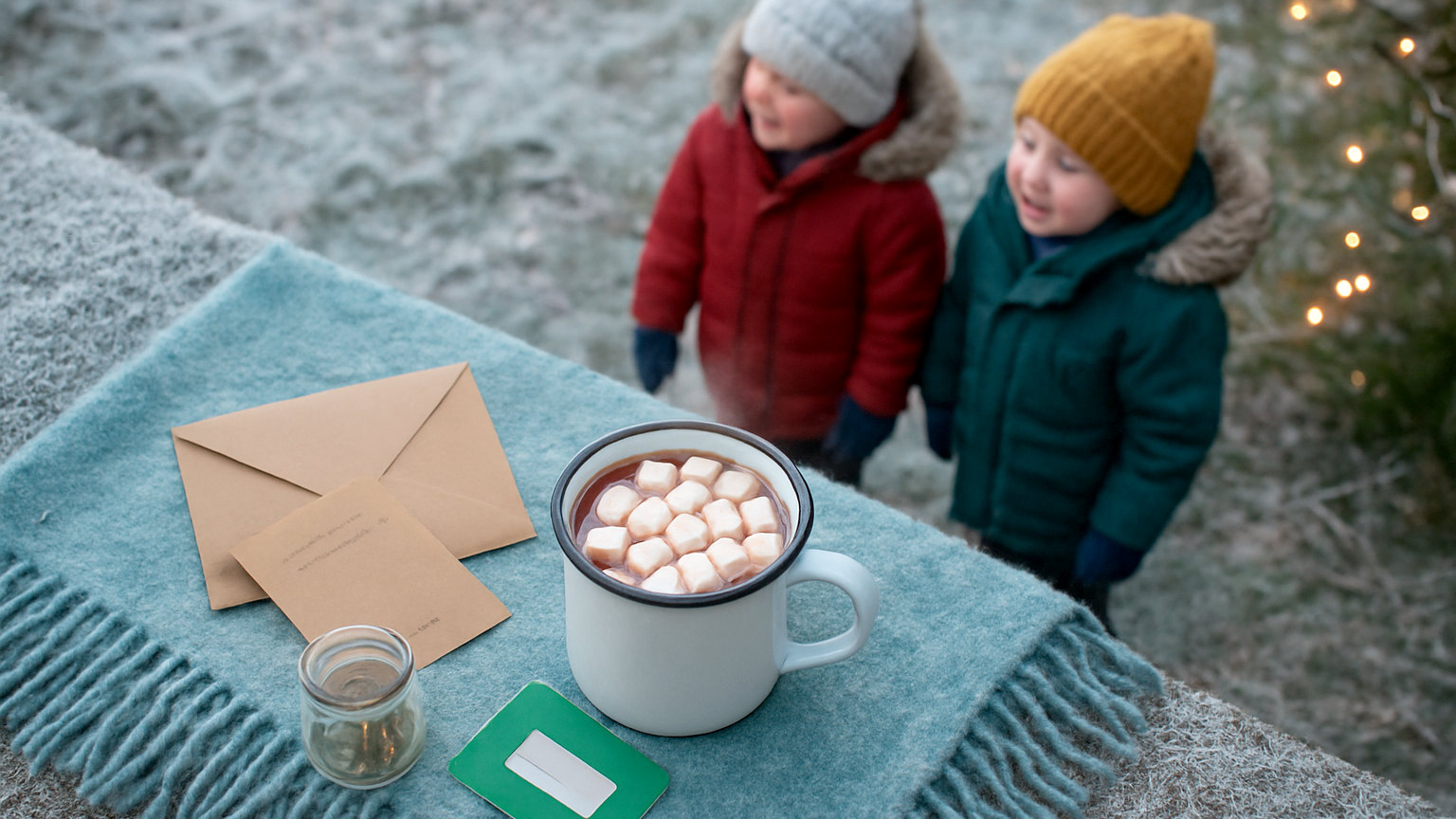
Some of the best presents for children are not toys, and households drowning in plastic tend to work this out around the third or fourth Christmas. The obstacle is not whether these presents are good but whether a child will be pleased with one on the morning, since a card explaining that a zoo membership has been bought does not unwrap especially well. Solving that is a matter of presentation rather than of choosing something else.
Which non-toy presents work?
Memberships to a zoo, a heritage organisation, a science centre or a local attraction, which produce a year of days out rather than one afternoon. Lessons in something they want to do, from swimming to guitar to climbing. Tickets to a show or a match. Money into a savings account. Books, always. A trip somewhere, booked for the spring. And equipment for a skill rather than a toy version of it, such as a real camera, a real telescope or proper art materials.
How do you stop it feeling like a disappointment?
Give them something to open that represents it. A membership card in a wallet, a printed ticket in an envelope, a map of the place they are going, a bag of art materials alongside the course booking, a plastic animal from the zoo they will be visiting. The physical object does the work on the morning and the real present happens later. Handing a child a folded piece of paper and expecting enthusiasm is asking a lot of them.
Why do memberships work so well?
Because they convert one present into a dozen days out, and because they change how a family spends weekends for a whole year. A membership to somewhere within an hour of home gets used repeatedly, including on the wet Sunday in February when nobody can think what to do. The value per pound is considerably better than almost any toy, and the child associates it with going somewhere rather than with owning something.
Check the membership covers the adults who will actually take them. A family pass naming two named adults is no use if the grandparents do most of the outings.
What about money into savings?
Sensible, appreciated by parents, and completely uninteresting to anyone under about twelve. It works best as a supplement rather than the whole present, and it works better still when the child can see it, which means a passbook, a printed statement or a chart on the wall showing the total climbing. For older children who are saving towards something specific, a contribution towards that named thing is a real present rather than an abstraction.
Which ages suit which approach?
Under five, keep it concrete: a physical object alongside anything abstract, since the concept of next summer means very little. Five to ten is the sweet spot for memberships and lessons, because they are old enough to look forward to something and young enough to be taken places. Teenagers respond best to tickets, experiences with friends rather than family, and money towards a specific goal they have already chosen.
When should you tell the parents?
Before you buy, without exception. Lessons involve a weekly commitment somebody has to drive to. Memberships assume the family will travel to that place. A trip assumes dates that work. All three are presents that create obligations for the adults in the household, so a short message in November turns a well meant surprise into something they can plan around, and occasionally prevents you buying a membership they already hold.
How do you explain it to a child who wanted a toy?
Frame it as something you are doing rather than something they are receiving, and be specific about when. A child who is told they are going to the zoo in February will look forward to it; a child handed a card about a membership will not.
It also helps to pair it with one modest toy so the morning is not entirely abstract. The experience does not have to be the whole present to be the best part of it.


