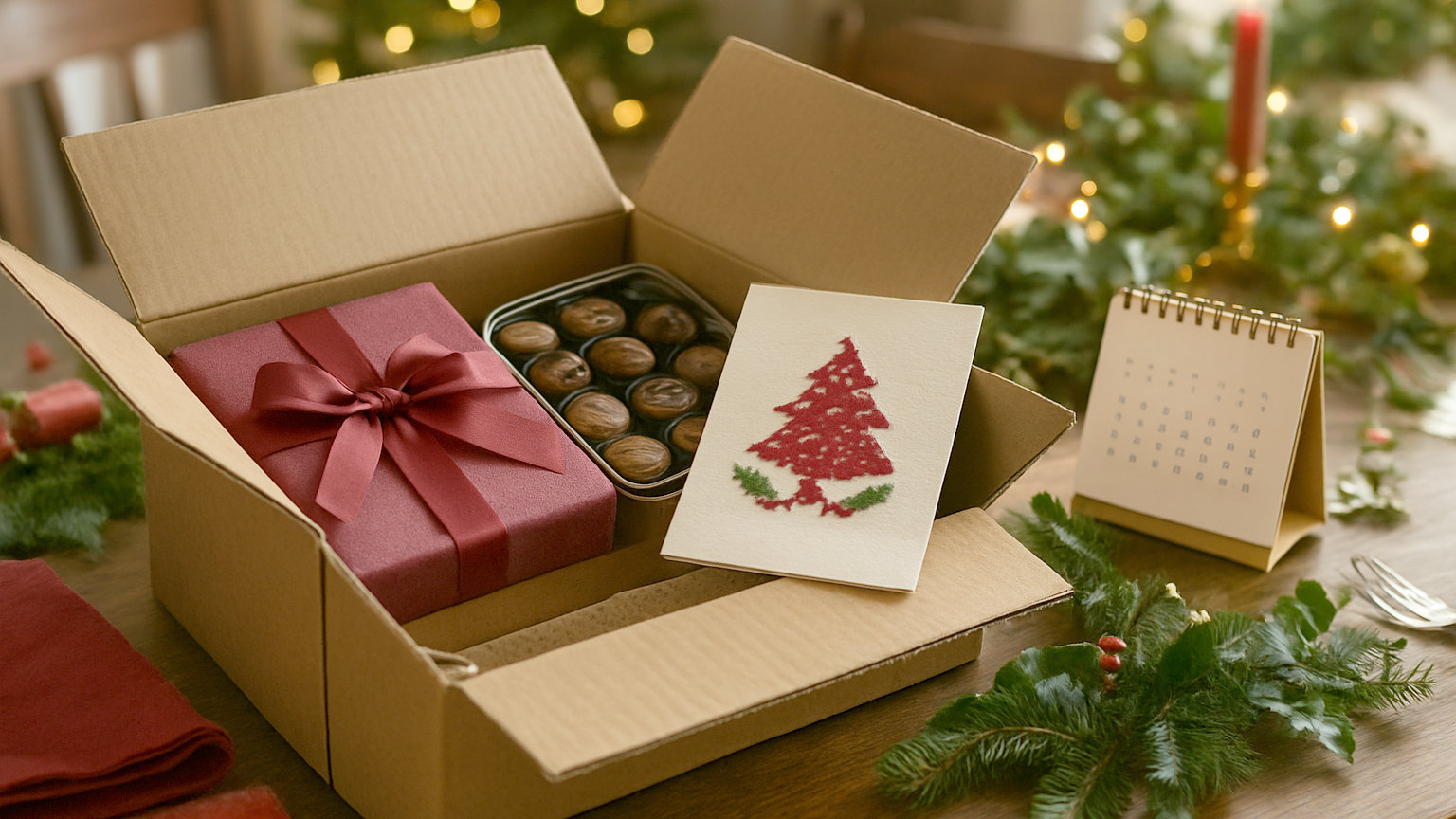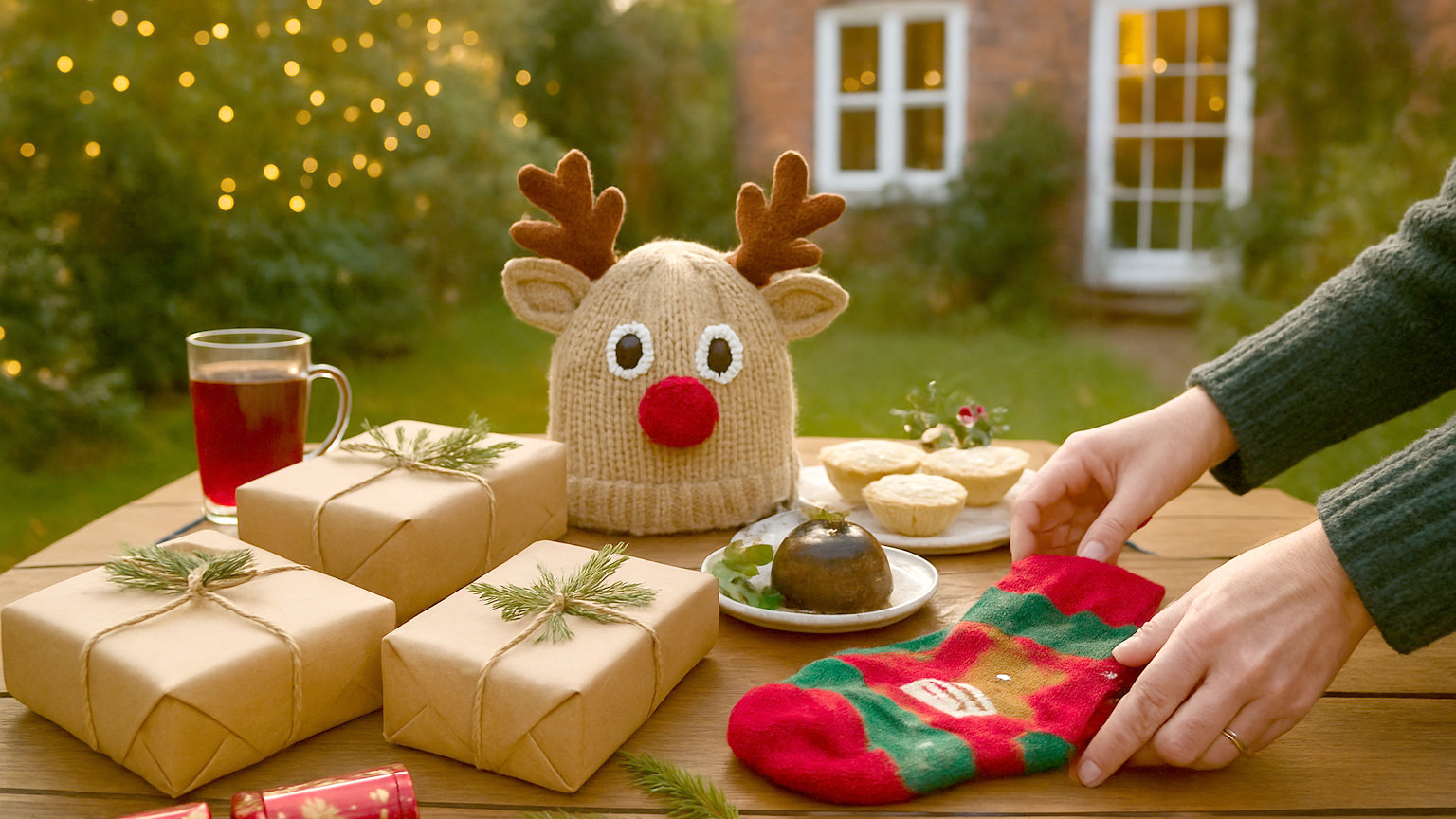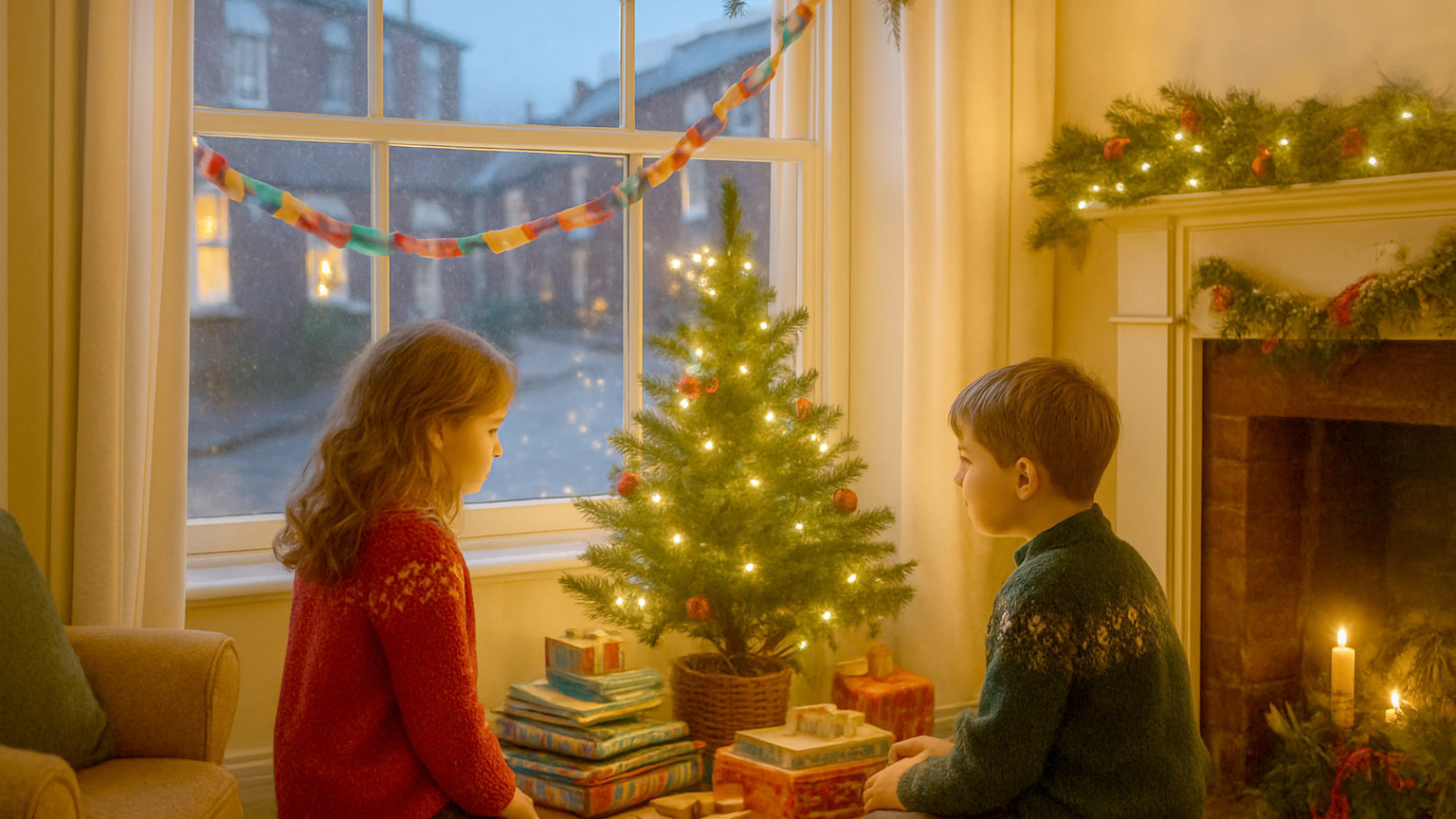
Children measure Christmas by how many parcels there are and how long the morning lasts, not by what anything cost. That is genuinely useful information for anybody working to a small budget, because it means the experience can be kept intact for very little money. What follows are the practical levers, and none of them involve pretending the budget is bigger than it is.
How do you make a small budget go further?
Spread it across more parcels rather than concentrating it. Wrap items separately even when they belong together, so a set of colouring pencils and a pad become two presents. Include useful things that would have been bought anyway, such as pyjamas, socks or school supplies, which cost nothing extra from the household budget and add to the pile. Start early and buy in the sales, which is where most of the saving actually comes from.
Does second hand work for children?
Extremely well, and for younger children it is almost undetectable. Toys at this age are outgrown long before they wear out, so charity shops, marketplace listings and local selling groups are full of things in excellent condition for a fraction of the price. Construction sets, wooden toys, puzzles and books are the strongest categories. Check that sets are complete, wash everything on arrival, and avoid used items where safety depends on condition.
Which presents cost little and last?
Art materials in quantity, which get used daily. Books, particularly from a second hand bookshop where five pounds buys several. A pack of cards and a few games. Torches, which children love disproportionately. A cardboard box and a set of pens, which sounds like a joke and is regularly the most played with thing in the house. Anything that can be built, arranged or added to rather than watched.
Wrapping is where a small budget is won or lost. Six separately wrapped items produce a longer and better morning than three larger ones at the same cost.
What should you not cut?
The stocking, which is where much of the pleasure sits and which can be filled well for very little. The one thing they specifically asked for, if it is affordable at all, since a Christmas with everything except that item is remembered for the gap. And the food, which is a larger part of how the day feels than the presents are. Everything else can be reduced without a child noticing.
How do you handle the comparison at school?
Prepare for it rather than hoping it will not happen, because the conversation on the first day back is always about what everybody got. Talking beforehand about the fact that families do Christmas differently, without making it about money, gives a child a way of taking part in that conversation comfortably. Children handle this far better when it has been mentioned in advance than when it arrives as a surprise in a playground.
Should you tell them the budget is tight?
Depends on the age, and on whether they are old enough to worry rather than simply to understand. Older children usually already know and are relieved to have it said plainly rather than pretended around. Younger children do not need the detail and can be told simply that this year there are a few smaller presents instead of one big one, which is true and requires no further explanation.
Where can you get help if you need it?
Local toy banks, church schemes, community groups and family support services run present schemes across December, and schools frequently know which ones operate nearby. Asking is common and confidential, and the people running them are used to it. Family members will also usually rather contribute towards something specific than be told nothing was needed, so a straight answer to what would help is worth giving when it is asked.
How do you spread the cost across the year?
Buy in January, when everything is half price and nothing has been picked over, and keep it in one box somewhere out of sight. Anything non perishable bought at that point is a present already paid for at a fraction of what it costs in December.
A small amount set aside each month works the same way. Fifteen pounds a month from January is a considerably easier hundred and eighty pounds than the same total found in the second week of December.