
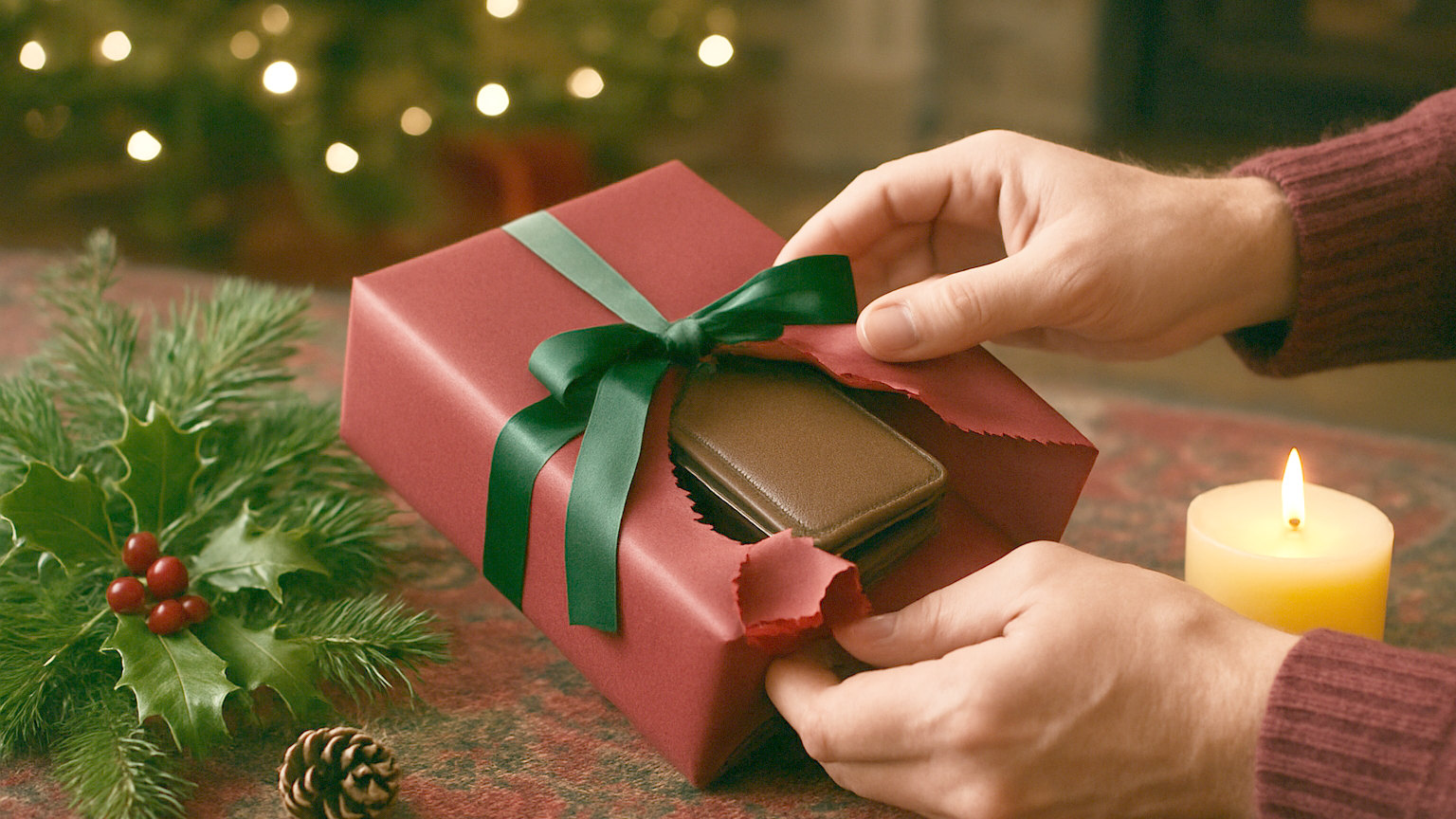
A significant number of men will tell you honestly that they do not want anything, and they are not being difficult. They have bought the things they wanted through the year, they dislike the fuss, or they would rather the money went elsewhere. The mistake is treating this as a puzzle to be solved by buying something anyway. It is better treated as information: he does not want more possessions, which leaves several perfectly good routes open.
Why do men say they want nothing?
Usually one of three reasons. The first is that he buys his own things as he needs them, so by December there is no backlog of wants. The second is discomfort with being the centre of attention while everyone watches him open a box. The third is a quiet awareness of household budgets, particularly if money is tight. Each of these points to a different kind of present, so it is worth working out which one you are dealing with before you shop.
What does the refusal usually translate to?
Almost always it means no more objects rather than no more presents. Food, drink, tickets, experiences and consumables all sit outside the objection entirely, because they leave the house again. So do upgrades to things he already uses daily, since they replace rather than add. The one thing the refusal genuinely does rule out is the surprise hobby, which is a present chosen by the giver in hope rather than by the receiver in fact.
Which categories work reliably?
The upgrade is the most dependable. Find something he uses every day and has owned for years, then buy a noticeably better version of it: the wallet, the water bottle, the torch, the gloves, the headphones, the knife in the kitchen drawer. He will not buy it himself because the existing one still works, which is exactly why it is a good present. Consumables come second, particularly if they are the good version of an ordinary thing. Tickets come third, since they are an evening rather than an object.
How do you find out what he uses every day?
Look at what is in his pockets, on his desk and by the door. Anything worn, taped, cracked or held together is a present waiting to be bought. Ask what annoys him about a thing rather than what he wants, because most people will happily complain about a poor zip or a dead battery while refusing to name a present. If he has a hobby, ask what the next thing he needs for it is, since hobbyists always have a list even when they claim not to want anything.
The best question is not what do you want, it is what do you keep having to make do with. The answers to the second question are always specific.
What should you avoid?
Avoid novelty gifts, which convert his mild discomfort at opening presents into a performance. Avoid gadgets requiring setup unless he enjoys setup. Avoid clothes unless you know the fit he actually wears rather than the size on the label. Avoid buying him a version of your own interest. And avoid a large gesture if the reluctance is about money, because an expensive present in a tight year creates an obligation rather than a pleasure.
When is doing nothing the right answer?
Occasionally it genuinely is, and respecting that is a kindness. If he has asked for no presents and you know the reason, a card with something specific written in it, plus a good meal or a day arranged around what he actually enjoys, honours the request without leaving him empty handed. A small consumable alongside it means he is not sitting there with nothing to open while everyone else unwraps, which is usually the only part of the day he was worried about.
Which presents work for a man who is downsizing?
The same rules apply with more force. Anything that occupies permanent space is unwelcome, however good it is, so the answer moves entirely to consumables, experiences and replacements. A better version of a tool he already owns works because the old one leaves. So does anything that arrives, is used and is finished. If he has recently moved to a smaller place, the most useful present is often help with something in it rather than an object to put in it, and that help is worth arranging rather than offering.


