There is no delivery slot left, the shops shut early and it is the twenty-third. This is an entirely recoverable position, and the recovery has almost nothing to do with how much you spend. What gives a rushed present away is the shop it came from rather than the price on it, so the whole exercise comes down to choosing where to go before deciding what to buy.
Where should you go?
Anywhere that sells things for their function rather than for the occasion. Delicatessens, butchers, cheesemongers, off licences with an actual range, bookshops, hardware shops, garden centres and record shops. All of them are open late in the final week, all of them contain things worth having, and none of them look like a rescue. The gift aisle of a supermarket is the one place to avoid entirely, because everything in it was assembled for people in exactly your position.
What should you buy?
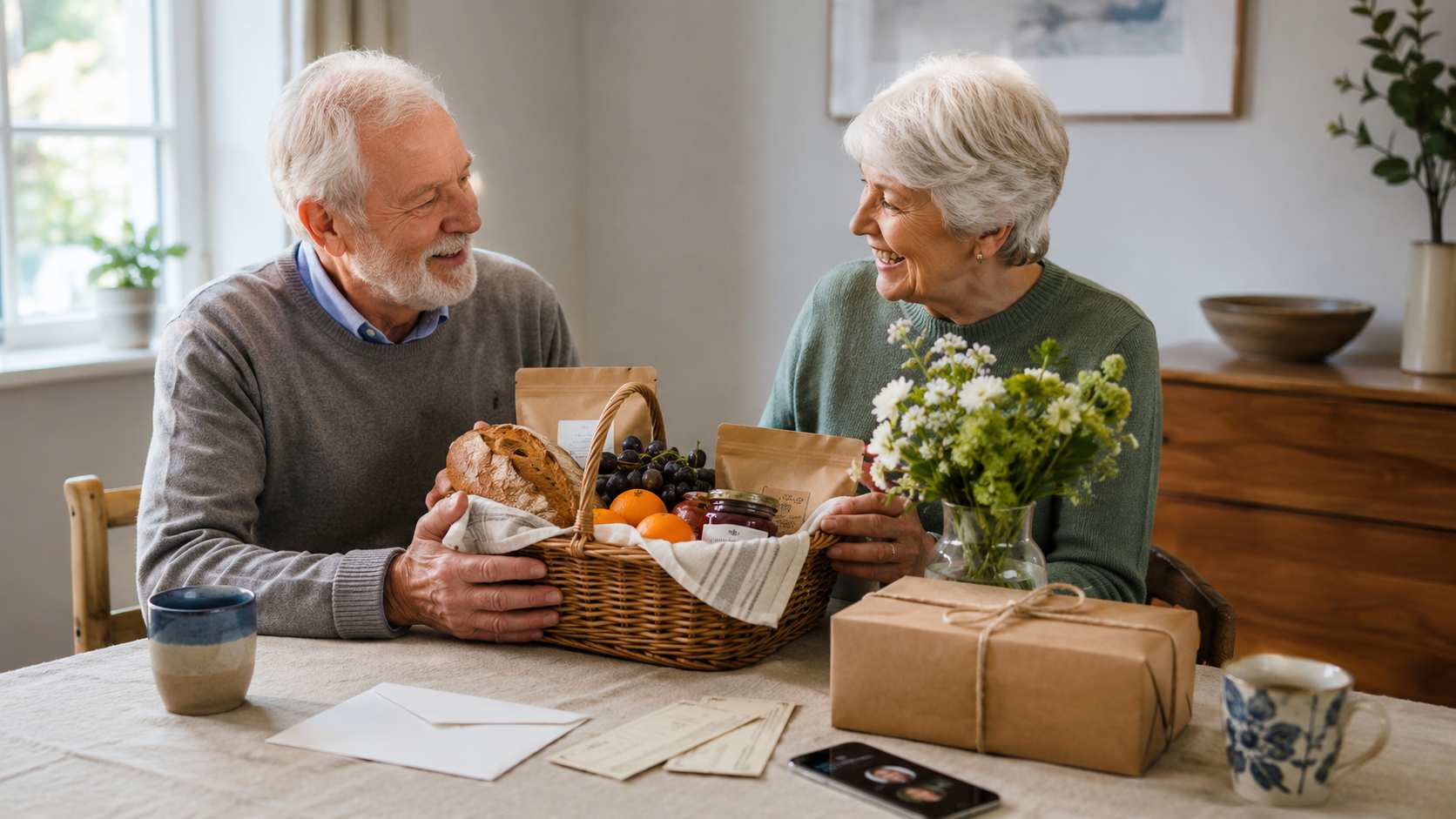
Something consumable and specific. A good bottle rather than a gift set of three small ones. Coffee from a roaster. A serious piece of cheese and the right thing to eat it with. A hardback about something he is into. A tool he has mentioned needing, which a hardware shop can usually supply in five minutes. Any of these looks entirely deliberate, because nobody can tell from the outside when a bag of coffee was bought.
Can you still give an experience?
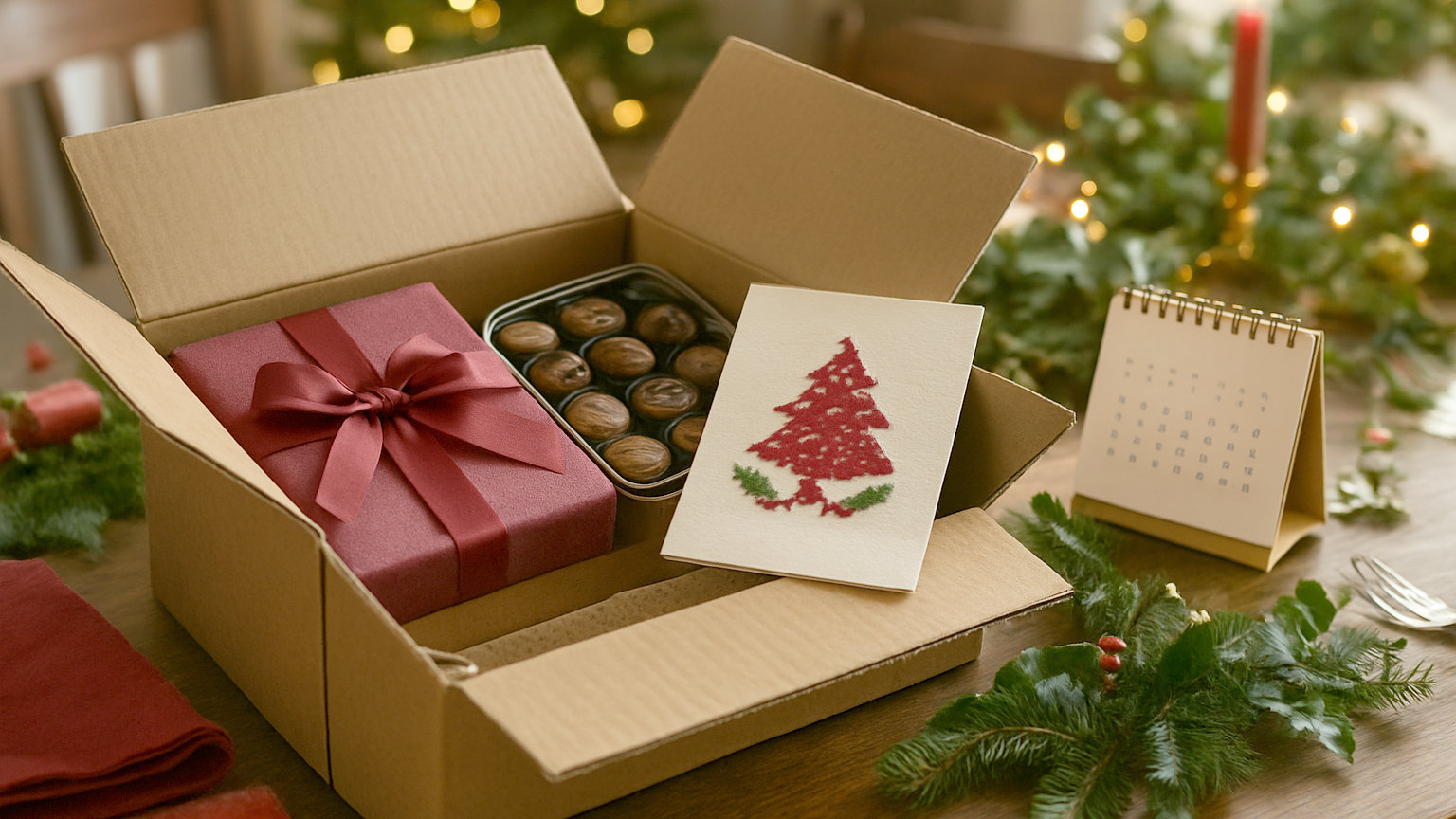
Yes, and it is one of the strongest last minute options. Tickets for a match, a gig or a show in the new year can be bought online and printed at home in ten minutes. A restaurant booking made for January costs nothing until the day. A course or a class booked for the spring is a genuine present that requires no delivery at all. Print the confirmation, put it in a card and it wraps like anything else.
Print anything digital and put it in a card. A present handed over on a phone screen at the breakfast table is a considerably thinner experience than the same thing on paper.
How do you make it look considered?
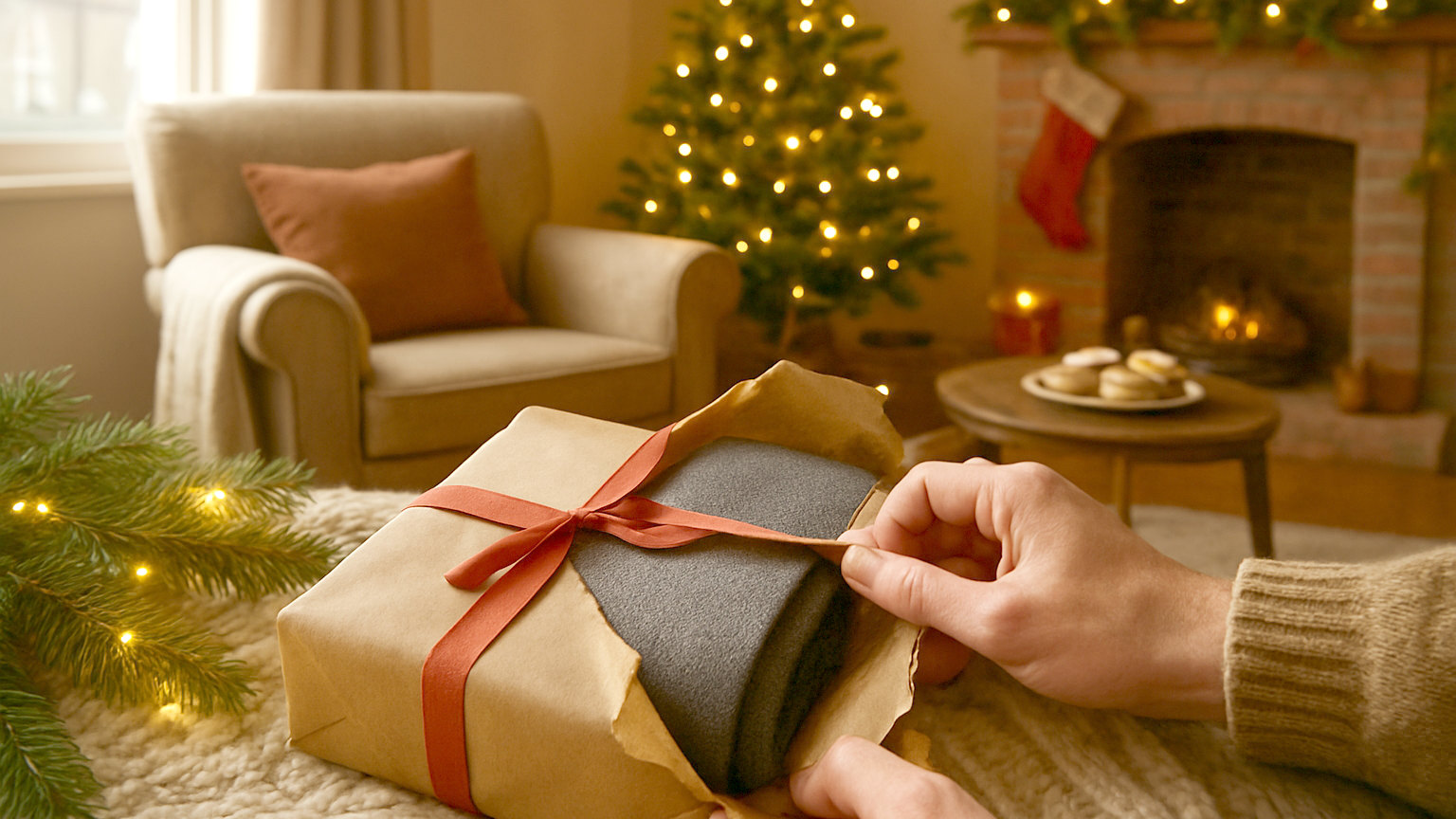
Wrap it properly, write the tag by hand, and pair two items that belong together rather than buying one on its own. A bottle and the right glass, coffee and a bar of chocolate, a book and a bookmark. The pairing signals a decision rather than a grab, and the whole thing takes ten minutes longer than not bothering. Presentation carries more of the load in this situation than at any other time of year.
What should you not do?
Do not overspend to compensate, which is visible and puts him in an awkward position. Do not buy several small things to make the pile look bigger, since three adequate items read worse than one good one. Do not order something with a delivery promise and hand over a screenshot, unless the alternative is genuinely nothing. And do not explain at length that you meant to buy something better, which turns a minor thing into a subject.
What if you have to hand over nothing on the day?
Write the card properly and say what is coming. A specific promise with a date attached is a present; a vague apology is not. If the real gift is arriving on the twenty-eighth, say so plainly, hand over something small bought locally alongside the card, and let it go. Nobody remembers a present that arrived three days late nearly as long as they remember being fussed over about it.
How do you stop this happening again?
Buy one spare present in the January sales and put it in a cupboard. A decent bottle, a good boxed item or a hardback costs very little out of season, keeps indefinitely and covers both the forgotten present and the unexpected one from somebody you had not bought for. It is the single most useful piece of Christmas admin available and it takes one trip in the first week of January.