
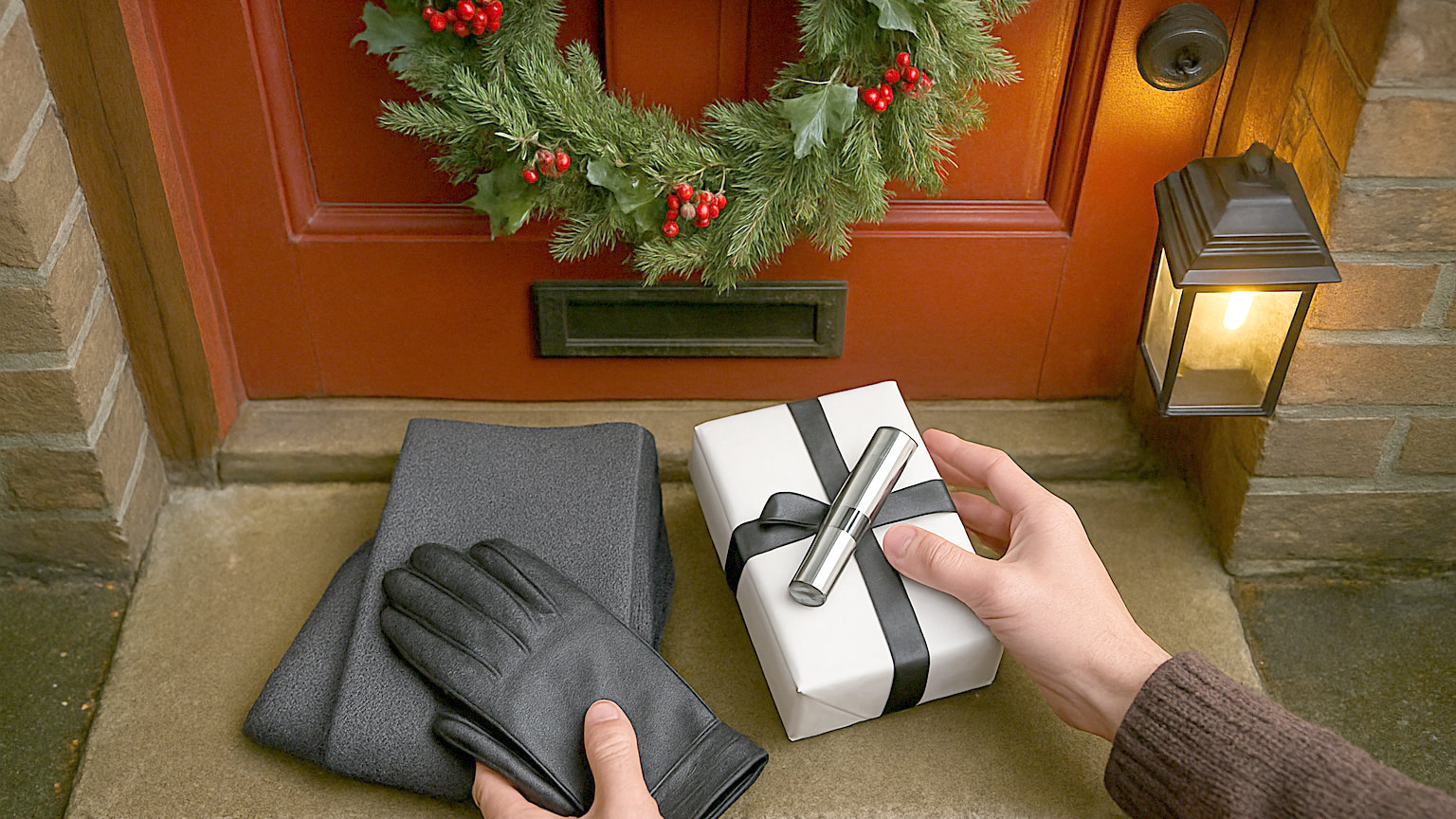
Presents between men default to two things: a bottle of something and a joke item. Both are perfectly serviceable, and both stop working after about the third year of repetition. The alternative is not a bigger budget but a more specific one, since the presents that land between friends and brothers are almost always about knowing what the other person is actually doing with their weekends.
Why does the running joke gift stop working?
Because a joke repeated annually becomes an obligation rather than a surprise, and because the tenth version of it is measurably worse than the first. It also quietly takes the place of thinking, which is the real cost. Retiring it deliberately, with an acknowledgement that it had a good run, is easier than letting it dwindle, and it frees both of you to buy something the other actually wants.
What works better than a bottle?
A better bottle, chosen specifically, is the first upgrade and it costs nothing extra in effort. Beyond that, the strongest categories are consumables for a hobby he already has, tickets to something you would both go to, and practical kit he has mentioned needing. Anything that turns into a day out together is worth more than anything that sits on a shelf, particularly between people who do not see each other often.
How do you buy for someone you see twice a year?
Keep it consumable and keep it good. Coffee, beer, cheese, hot sauce, chocolate, spirits: all of these avoid needing to know his size, his taste in objects or what he already owns. If you know one specific thing about him, such as a team, a band or a place he grew up, that single detail is enough to turn a generic present into a chosen one without any further research.
Presents between adult friends work better when they come with an arrangement to meet. Two tickets beat one object almost every time.
Should brothers agree to stop exchanging?
Many do, and it is usually a relief on both sides. Once households have children of their own, most families move to buying for the children only, which reduces the December workload considerably. If you would rather keep something going, a low fixed limit with a rule that it must be edible or drinkable keeps the exchange without the shopping. Say it in October rather than announcing it on the day.
What should you avoid?
Anything that requires him to display it. Anything referencing his age, his weight or his relationship status, which is funnier to buy than to receive. Cheap versions of technology he already owns a good version of. And gag gifts opened in front of family, since the audience changes how a joke lands and he may have to explain it to his mother.
When should you buy?
Early for tickets, which sell out months ahead, and late for anything perishable. Everything else fits comfortably into early December. If you are posting rather than handing it over, check the last posting dates in the third week of November, because they fall earlier than most people assume and a present arriving in January has lost most of its point.
How do you handle a group of friends buying for each other?
A group of six exchanging individually means thirty presents, which is why most groups eventually switch to a single draw with one name each. Setting a low limit and a rule about the kind of thing being bought keeps it simple and stops the arms race that otherwise develops over a few years.
The alternative that works well is spending the same money on one evening out together instead. Nobody has to shop, everybody gets the same thing, and it tends to be remembered longer than any of the presents would have been.
The only rule worth keeping in any of these arrangements is that the limit is a ceiling rather than a target, because one person quietly spending double resets the expectation for everybody the following year.


