The first Christmas in a new relationship is a question about scale rather than taste. Spend too little and it reads as indifference, spend too much and it reads as pressure, and both are noticed immediately. The useful part is that the right answer is usually easy to work out, because it depends on how long you have been together and how the two of you have handled money so far rather than on any particular product.
How much should you actually spend?
Match the length of the relationship rather than your feelings about it. A few weeks together calls for something small and considered, in the range of twenty to thirty pounds. A few months allows fifty or so. A year or more moves it into ordinary territory where the usual rules apply. The single most useful step is agreeing a rough figure with her beforehand, which sounds unromantic and removes the entire problem of one of you producing something far grander than the other.
Why does scale matter more than the item?
Because an expensive present early carries an implication about where things are going, and she will read it whether or not you meant it. It can also create an obligation to match it, which is unwelcome if her budget is tighter than yours. A modest present chosen with obvious care communicates interest without asking anything in return, which is exactly the right message at the start of something.
Which categories are too much too soon?
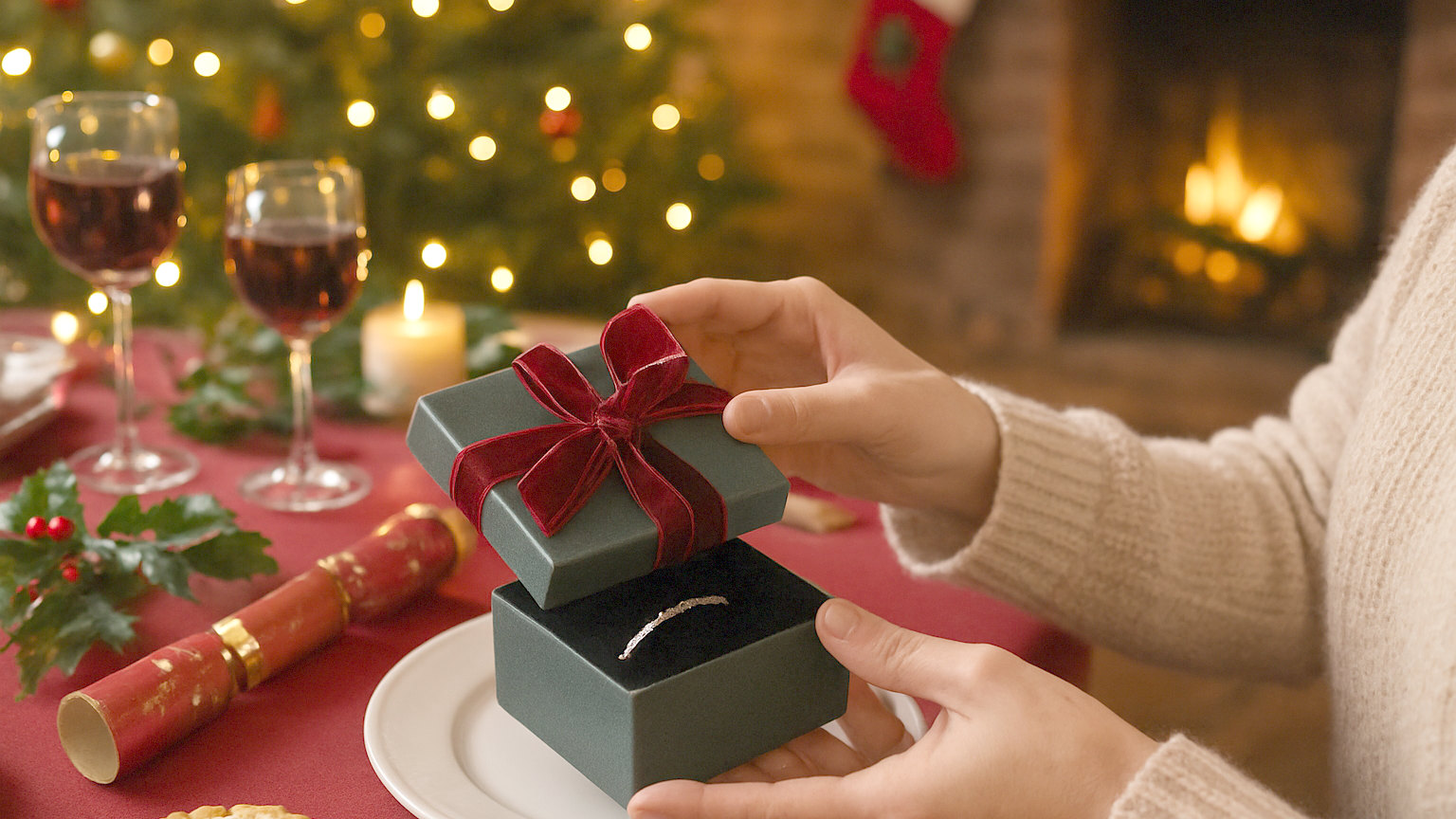
Anything that assumes a future: a weekend away without asking, keys to anything, anything engraved with a date. Anything sized to the body, since guessing a size in a new relationship is a risk with no upside. Fine jewellery, which carries meanings you may not intend. Anything for her home, which implies a view about how she lives. And large gestures made in front of her family, which put her in the position of performing a reaction.
What works instead?
Something specific to a conversation you have had. A book by an author she mentioned, tickets to a band she likes, a good version of something she drinks, a print of a place you went together. The value is in demonstrating that you were listening, and that costs nothing beyond attention. Pairing one small object with a planned evening out is the most reliable structure, because it gives her something to open and the two of you something to look forward to.
Agree the budget out loud before either of you shops. Almost every awkward first Christmas exchange is a mismatch in spending rather than a mismatch in taste.
When should you exchange presents?
Before you separate for the holidays if you are spending Christmas with your own families, which is the usual arrangement early on. An evening in the week beforehand works better than a rushed handover on the twenty-fourth, and it avoids the question of whether you are meeting each other families this year. If you are spending the day together, keep the exchange private rather than adding it to a family present opening.
What if you are not sure the relationship will last until December?
Buy late and buy small. There is no obligation to have something ready in November for a relationship that started in October. A present bought in the second week of December, chosen quickly and thoughtfully, is entirely normal and avoids the awkwardness of an elaborate gift purchased during a more optimistic month. Nothing on the list needs to be expensive for it to be right.
What should you do about her family?
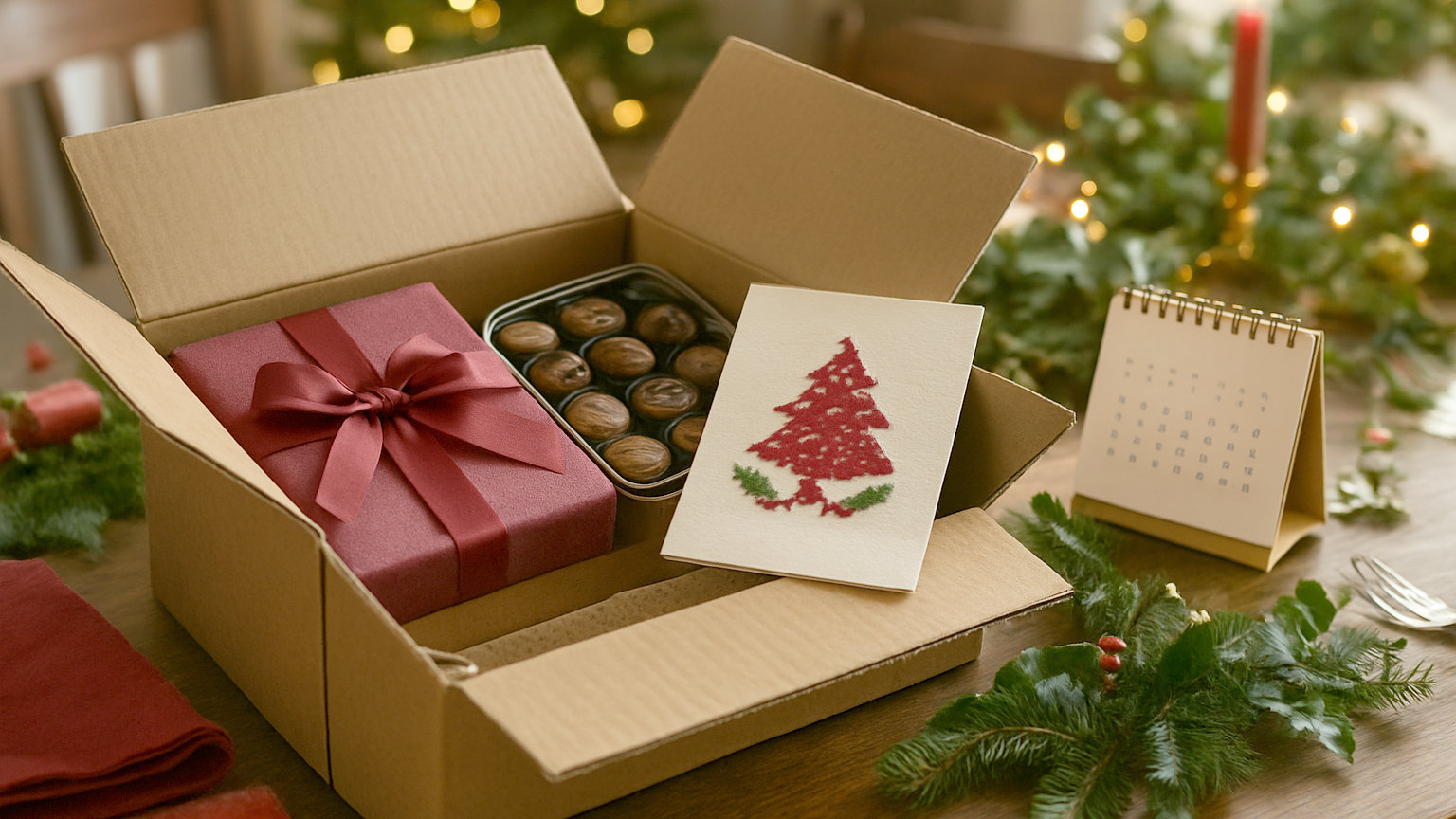
If you are meeting them for the first time, take something for the household rather than presents for individuals. A good bottle, chocolates or flowers for whoever is cooking covers the whole visit and creates no obligation for anyone to reciprocate. Buying individual gifts for parents and siblings you have just met puts them in an awkward position, since they will not have bought for you.
Ask her what the household normally does before you decide. Some families exchange with new partners as a matter of course and some deliberately do not, and she knows which kind hers is.