A present bought on the twenty-third does not have to look like one, and the difference between a good last minute gift and an obvious one has almost nothing to do with money. It is about where you shop. Anything from a shop people visit deliberately reads as a choice, while anything from a shop people pass through reads as a rescue, and that distinction is visible immediately regardless of what is inside the wrapping.
Where should you shop when there is no time for delivery?
Independent food shops, delicatessens and cheesemongers, all of which are open late in the final week and sell things that look considerably more expensive than they are. Bookshops. Florists. Garden centres. Museum and gallery shops, which are excellent for stationery, prints and small objects. Hardware shops, which are underrated for practical presents. What all of these share is that nothing in them was assembled specifically to solve your problem, which is exactly why the result does not look like it was.
What still works at the last minute?
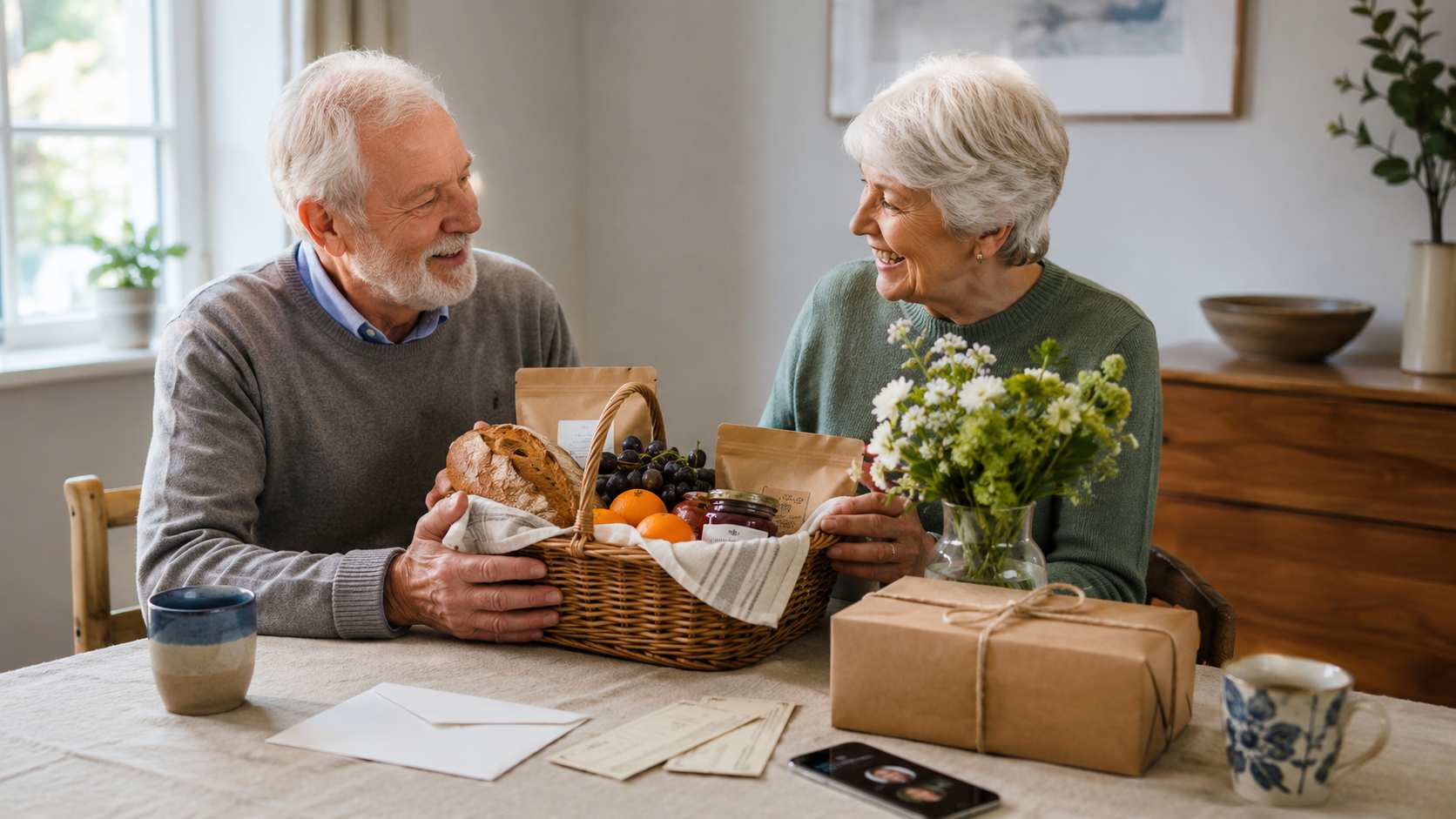
Anything consumable and good. A hamper you assemble yourself from a delicatessen looks planned and takes twenty minutes. Tickets to something in January or February, printed and put in a card. A booking at a restaurant for a date in the new year. A subscription that starts immediately and needs no delivery. Flowers, which are the one traditional last minute present that has never stopped working, provided they are not garage flowers.
How do you buy well under pressure?
Decide the category before you leave the house rather than wandering and hoping. Give yourself one shop and one budget, and buy the best thing in that shop within the budget instead of comparing across four. Time pressure makes people buy more items rather than better ones, which is the wrong instinct: one good thing beats three adequate ones every time, and it wraps faster.
Choose the shop before you choose the present. Under time pressure the shop does most of the work, and everything in the right shop will be acceptable.
What should you avoid?
Petrol stations and supermarket gift aisles in the final week, both of which are recognisable at a glance and contain what is left rather than what is good. Gift sets assembled for exactly this moment. Anything ordered online after the middle of the month with a promise of delivery, since the estimate becomes unreliable and a parcel arriving on the twenty-seventh is worse than something bought in person on the twenty-third.
Does a digital gift card count?
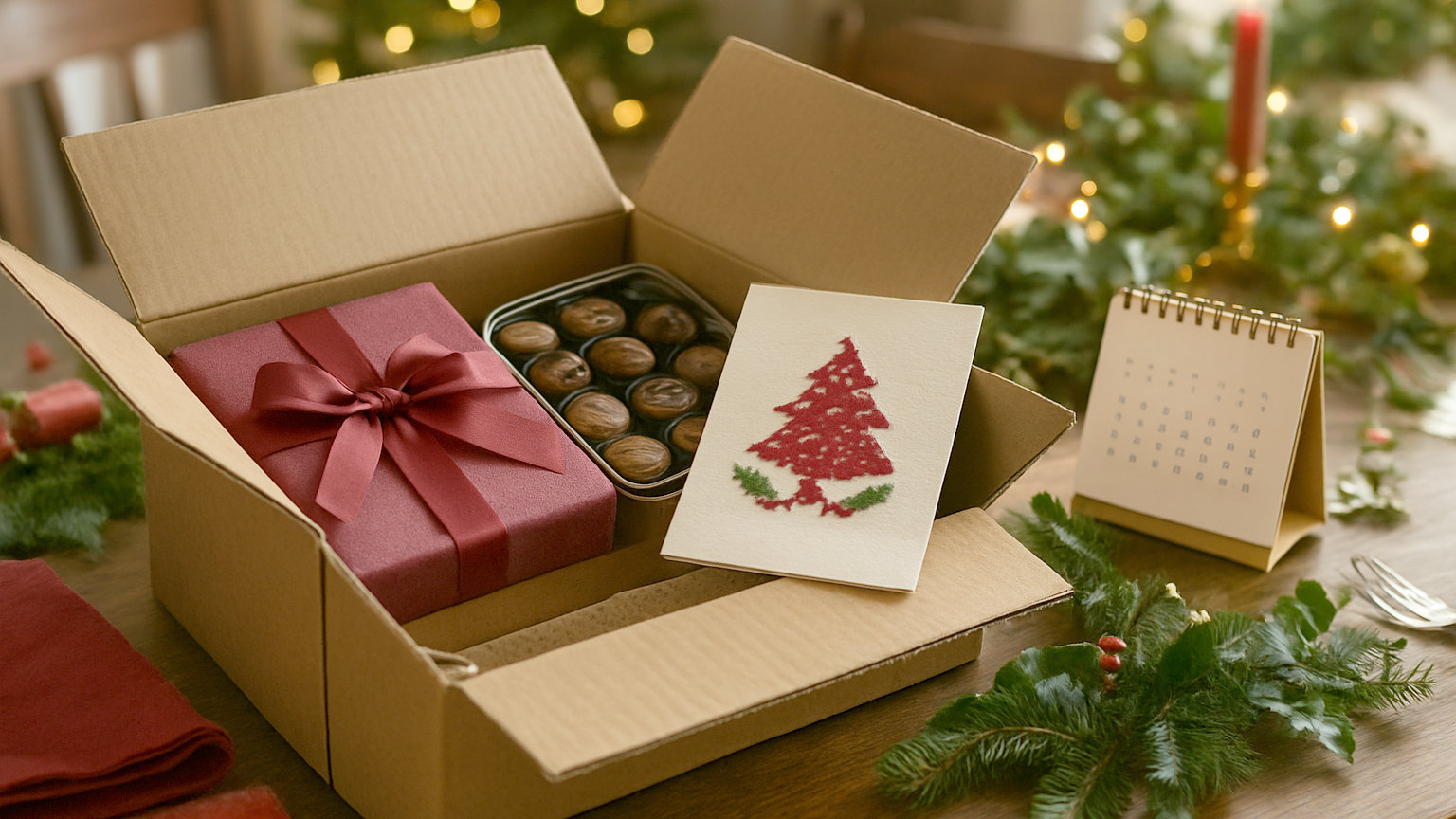
It counts if it is for somewhere specific she uses and if it comes with something to open. An email voucher opened on a phone at the breakfast table is a thin experience. The same voucher printed, put in a card with a line about why you chose that shop, and wrapped alongside a small physical item is a perfectly good present that nobody would guess was arranged the night before.
How do you make it feel considered?
Wrap it properly and write the tag by hand, which together take ten minutes and do most of the work. Say something specific in the note about why you picked it. Pair two items that belong together rather than buying one thing on its own. None of this costs anything, and all of it is the difference between a present that looks chosen and one that looks grabbed.
How do you avoid this next year?
Keep one good spare present bought in the January sales, when everything is half price and nothing has been picked over. A decent boxed item, a bottle or a book costs very little out of season and sits in a cupboard until it is needed. It solves this problem permanently, and it also covers the present that arrives unexpectedly from somebody you had not bought for.
What if she has already bought everything for everybody else?
In most households one person carries the whole of Christmas, and if that is her, the most valuable last minute present is taking a share of what is left. Doing the food shop, writing the remaining cards or wrapping everything that is still in bags removes a real job on a day when there is no time left.
It is not a wrapped present and it is reliably the one mentioned afterwards, particularly if it is done without being asked and without an announcement.