
For anyone whose house is already full, the best present is one that takes up no space at all. Experiences, subscriptions, courses and time all count as presents, and they suit a great many people better than another object. The catch is that they are easier to give badly than a physical gift, because a vague promise is much less satisfying to unwrap than a wrapped box.
Which non-object presents work best?
Tickets for something specific, on a specific date. A course in something she has mentioned wanting to learn. A subscription that arrives regularly, whether that is coffee, a magazine, a book club or a streaming service she pays for herself. A night away booked and paid for. Help with a job she has been putting off, arranged rather than offered. Each of these converts money into either an experience or the removal of an obligation, which is what most people actually want more of.
Why do vouchers so often go unused?
Because an open ended voucher transfers the work to the recipient. She now has to choose a date, coordinate with you, book it and remember it exists, which is three jobs added rather than removed. Vouchers also expire, and a large proportion are never redeemed at all. A booking made for a named date on the other hand requires nothing further from her, which is the difference between a present and a task.
How do you make it feel like a present?
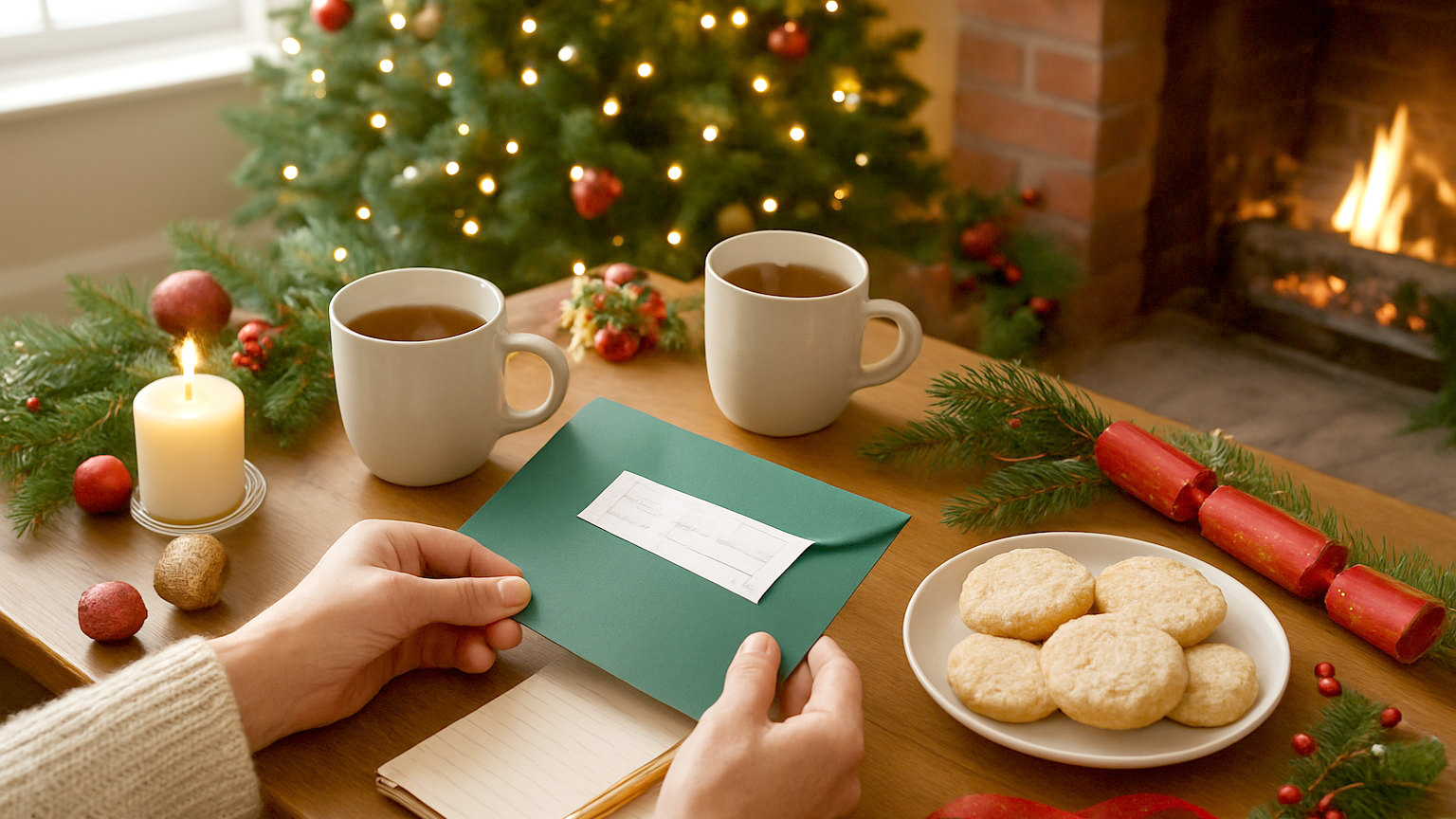
Give her something to open. Print the booking and put it in a card. Wrap a small related object alongside it, such as a map for a trip, a bag of coffee for a subscription or a notebook for a course. The physical thing does the work on the morning while the real present sits in the diary, and it stops the moment where she is handed a phone screen and asked to look at a confirmation email.
Put the date in both calendars while she is still holding the card. An experience gift without a date attached is a good intention rather than a present.
What should you check before booking?
Whether she can actually go: childcare, shift patterns, whether the venue is accessible, whether it clashes with something already in the diary. Whether the date can be changed, and at what cost, since a fixed non-refundable booking in February is a gamble. Whether it is something she wants to do with you or with a friend, because an experience for two is a decision about the second person as well as the first.
Is a subscription a good present or a recurring bill?
It is a good present if you have paid for the whole term up front and it stops automatically at the end. It becomes a problem if it rolls over onto her card without her noticing, which is how several subscription services are designed to work. Buy the fixed length gift version rather than starting an ordinary subscription in her name, and tell her when it ends so she can decide for herself whether to continue.
When is time the right present?
When there has not been much of it. A standing arrangement for one evening a month, a day where you take everything else off her hands, or a weekend where the whole plan is that nothing is planned all count. These need to be specific and written down to mean anything, since an unwritten promise to spend more time together is not a present and both of you will know it.
Which experiences suit someone with very little free time?
Short and local beats ambitious and distant. A two hour class, a meal booked for a weekday evening or a treatment nearby will actually happen, whereas a weekend away needs childcare, annual leave and a free diary all at once.
If the aim is to give her time rather than an activity, the present is the arrangement around it: the childcare booked, the meal cooked, the day cleared. That takes planning rather than money and is frequently the harder thing to give.


