
A significant number of people do not like dried fruit, and Christmas puts almost nothing else in front of them. Pudding, cake and mince pies are all built on the same base, so somebody who dislikes it faces a month of politely declining. There is no shortage of alternatives that still read as festive, and several of them are considerably less work than the traditional options.
What still feels like Christmas?
Anything with chocolate, warm spice, citrus or cream. A dark chocolate torte with a little cinnamon. A clementine and almond cake. Sticky toffee pudding, which is dates rather than dried vine fruit and reads differently to most people. A spiced pear tarte tatin. Chocolate and orange mousse. Panna cotta with cranberry. None of these are compromises and most of them will be finished before the pudding is.
Which are the easiest?
A flourless chocolate torte, which is chocolate, butter, eggs and sugar, takes twenty minutes to make and is better on the second day. Chocolate pots, which are a two ingredient ganache set in cups. Panna cotta, which is stirred and left. Any of these can be made two days ahead and taken out of the fridge when needed, which is the single most useful property a Christmas dessert can have.
What works as a centrepiece?
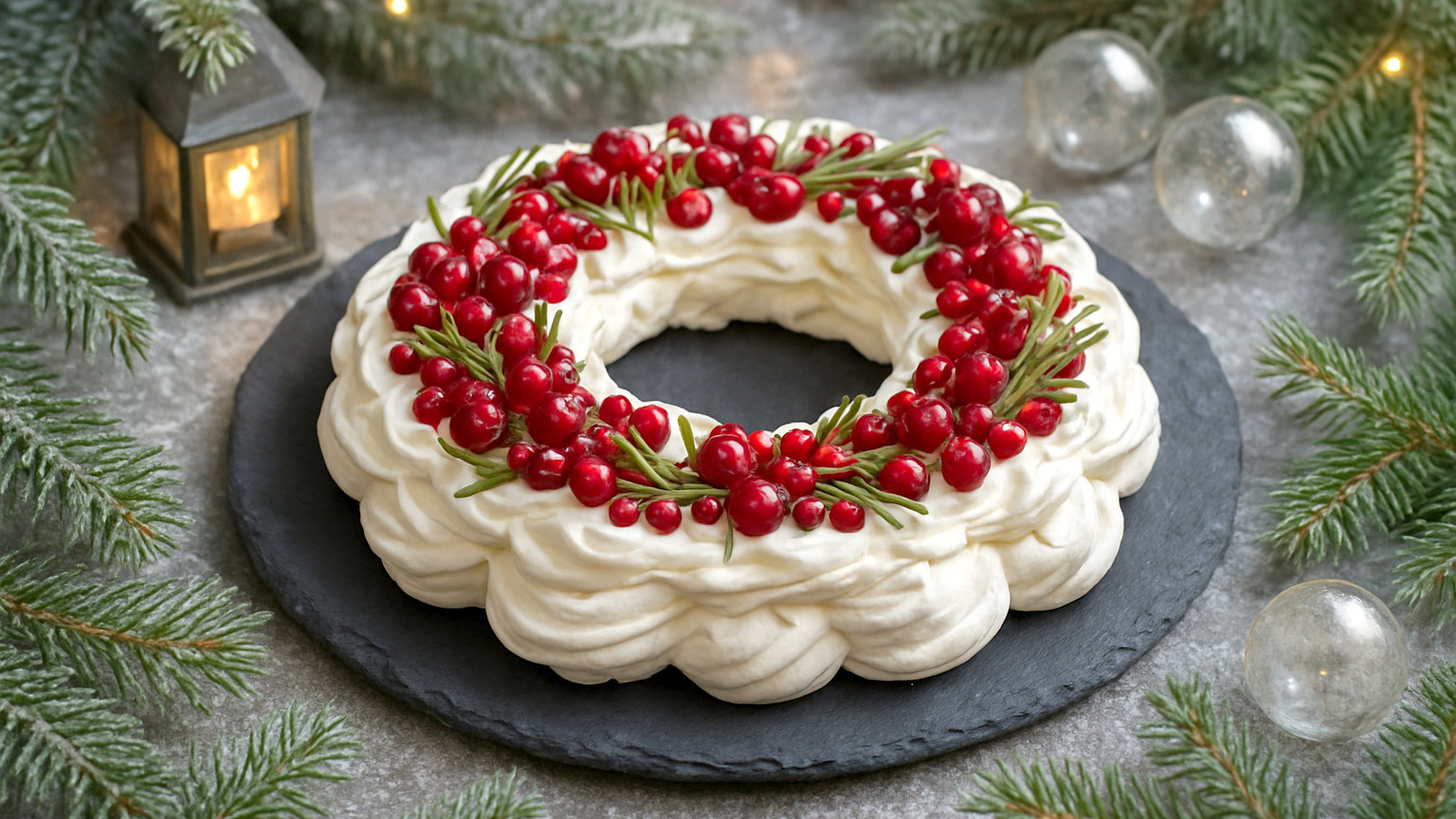
A pavlova, which is dramatic, feeds a lot of people and can be topped with whatever is in season. A yule log. A large tarte tatin brought to the table in the pan. A croquembouche if you are feeling ambitious. Anything that arrives whole and is served in front of people does the same job the flaming pudding does, which is to mark the end of the meal as an event.
Make the meringue base days ahead and keep it in an airtight tin. A pavlova assembled an hour before serving takes ten minutes and looks like a great deal more work.
What about people avoiding gluten?
Several of the best options here happen to be naturally free of it. A flourless chocolate torte, a pavlova, panna cotta, chocolate mousse and a clementine cake made with ground almonds are all gluten free without any substitution. That makes this category doubly useful, since one dessert can cover both the dried fruit refusers and anybody who cannot eat wheat.
Should you make two puddings?
If the household is split, yes, and it is less work than it sounds if the second one is something that keeps. A chocolate torte made on the twenty-third sits happily in a tin until it is needed. Serving the traditional pudding alongside one alternative is a very common arrangement and means nobody has to make a point of not wanting any.
What can you do with citrus?
A great deal, and it is the flavour most associated with Christmas after dried fruit. Clementines and satsumas are at their best in December. A whole orange cake, where the fruit is boiled and blitzed skin and all, is a Middle Eastern classic that suits the season perfectly. Poached clementines in syrup with cardamom. Lemon posset. Marmalade steamed pudding, for anyone who wants the format without the raisins.
How do you serve it after a large meal?
In smaller portions than you think, and later than you think. Most people at a Christmas table are full when the main plates are cleared, and a heavy dessert served immediately goes uneaten. An hour of clearing up and conversation between courses transforms how much gets eaten, and something sharp or light works better in that slot than something rich.
What about a dessert that travels?
If you are taking pudding to somebody else house, choose something that survives a car journey and needs no assembly on arrival. A torte, a tart or a cake in a tin all qualify.
Anything with whipped cream, meringue or a set custard should be carried in its components and put together in their kitchen, which takes five minutes and avoids arriving with something that has slid to one side.


