
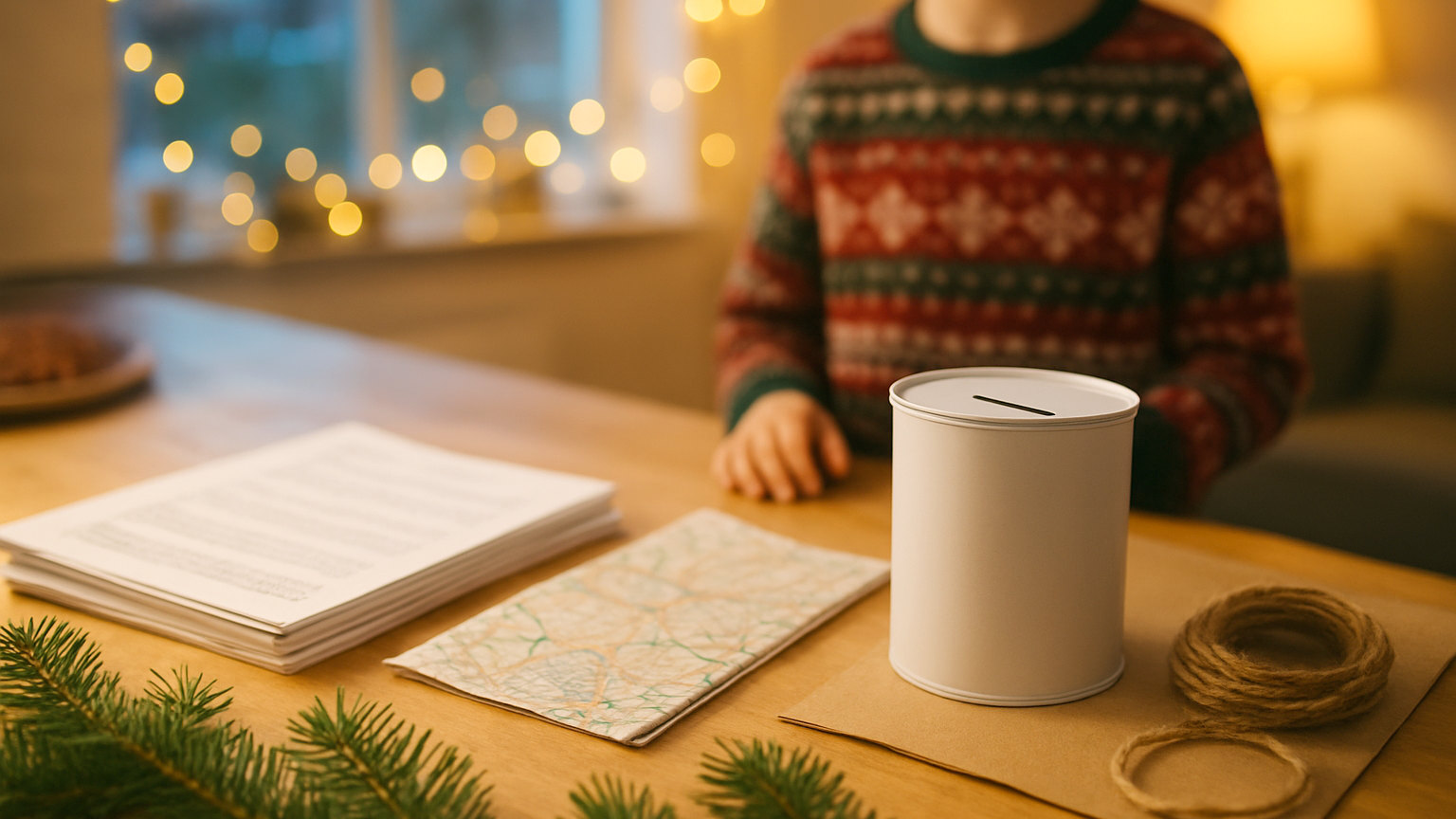
Carol singing at doors is one of the easier community traditions to organise, needs very little equipment and works with almost any number of people. There is one thing groups routinely overlook, which is the legal position on collecting money, and getting that right in advance takes one phone call and avoids a genuinely awkward conversation on the night.
How do you choose the songs?
Five or six that everybody knows, rather than a wide repertoire that half the group is reading. The first verse and chorus of the most familiar carols will cover almost every door, since nobody expects a full performance on a doorstep. Pick ones that start comfortably for untrained voices, since the biggest practical problem is starting a carol too high and running out of range.
What about the words?
Most traditional carols are long out of copyright and can be printed freely, which covers the great majority of what a group would sing. Modern Christmas songs are a different matter and are still in copyright, so printing lyric sheets for those is not something to do casually. Sticking to the traditional repertoire avoids the question entirely and is what most groups do anyway.
What is the position on collecting money?
Collecting for charity in a public place generally requires permission from the local authority, and collecting on private land such as a shopping centre requires the owner permission. House to house collections for charity are also regulated. If money is being collected, contact the council licensing team well in advance, since applications take time and the rules vary between areas.
If you are collecting money, check with the council licensing team weeks in advance. Public collections for charity are regulated and permission is not instant.
How do you plan a route?
A short one, in a street where houses are close together, which means more doors and less walking in the cold. Forty-five minutes to an hour is plenty, particularly with children in the group. Finish somewhere warm with a drink, which is the part everybody actually looks forward to and which gives the evening an end point.
What time should you go?
Between about six and eight in the evening, after people are home and before anybody is settling children or eating late. Avoid knocking after eight-thirty, and skip any house with the lights off or a note on the door. A group that turns up at nine has stopped being charming and become an interruption.
What do you need to take?
Torches, which are essential and are the thing people forget. High visibility items if any part of the route is on a road. Warm clothing, since standing still in December is colder than walking. A bucket or a card reader if you are collecting. And an adult at the front and the back if children are in the group.
What should you expect at the doors?
A mixture, and most of it positive. Some people will not answer, which is entirely their right and not worth taking personally. Some will want a second carol. Some will bring children to the door. Keeping each stop to one carol, thanking whoever answered and moving on briskly is what makes the whole thing enjoyable rather than an imposition.
What if you are not collecting money?
Then it is considerably simpler, since the licensing question does not arise at all and a group can simply go and sing. Many groups do exactly this and treat any money offered as a reason to point people at a charity website instead.
It is still worth telling neighbours in advance, particularly anybody elderly or unwell, since an unexpected group at the door after dark is not welcome to everybody.
And whatever happens, finish somewhere warm. The mince pies at the end are what people turn up for the following year, rather than the singing.
Setting a date in the last week of November and telling people then, rather than trying to gather a group in mid December, is what makes the difference between a group of twelve and a group of three.


