
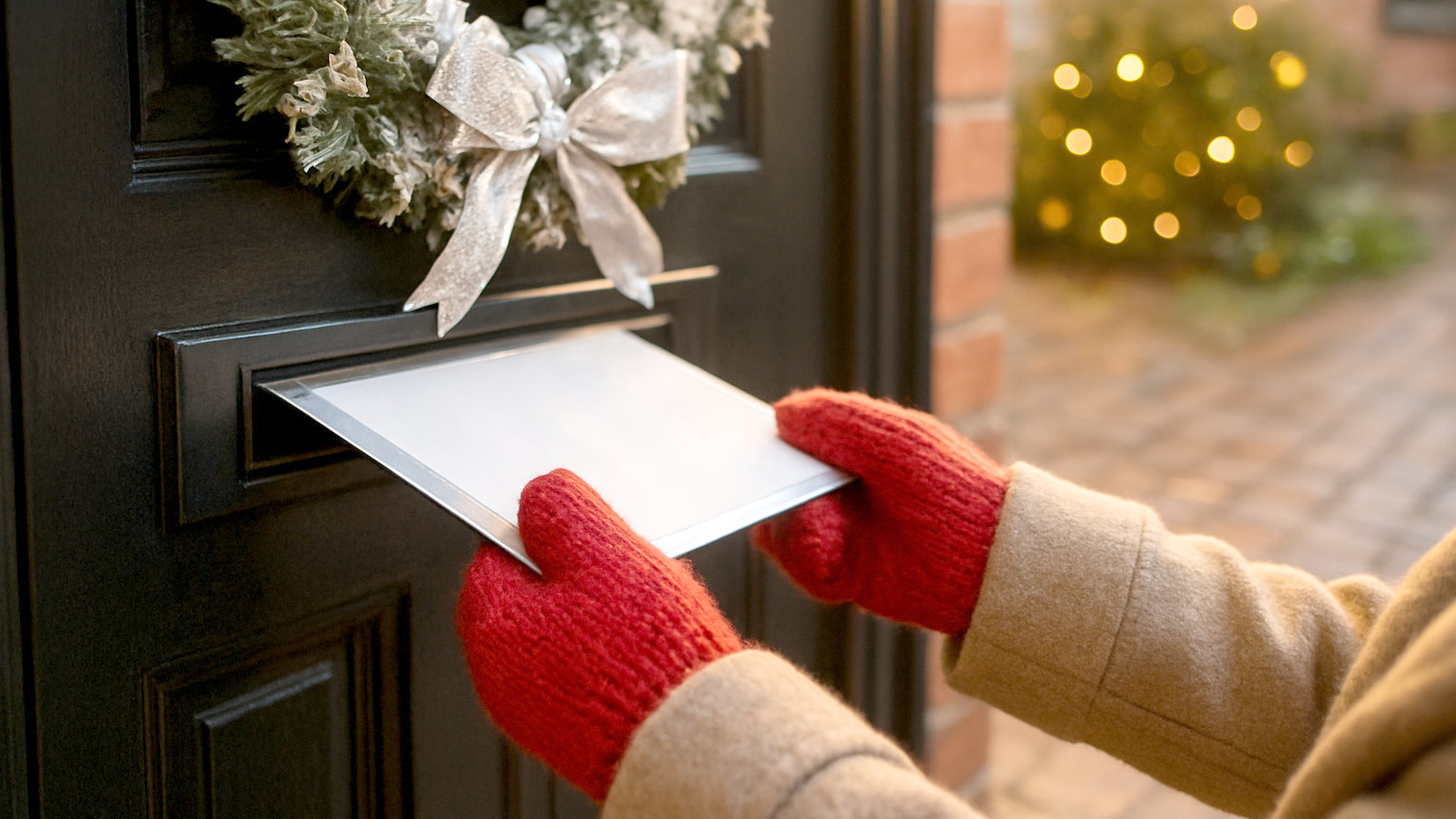
Writing to Father Christmas is one of the better December activities because it does two jobs at once. It is a genuine tradition that children take seriously, and it produces a written list of what they actually want at a point in the year when that information is still useful. It also gets a reluctant writer to write a page without any argument.
What should go in the letter?
More than a list, ideally. Something about the year, what they have enjoyed, a question, and then what they would like. Encouraging two or three things rather than a catalogue is worth doing gently, since a letter listing twenty items sets an expectation that will not be met. Asking them to rank their choices is a useful device and tells you which one actually matters.
Where do you post it?
Royal Mail runs a letters to Santa service each year with a dedicated address, and it publishes both the address and the deadline on its website in the autumn. The details are worth checking each year rather than relying on an address remembered from a previous December, since the arrangements are confirmed annually and the deadline moves.
What is the deadline that catches people out?
It is considerably earlier than most people expect, typically in the first half of December rather than the week before Christmas. Letters posted after it will not get a reply. Putting a reminder in the calendar for the end of November, and doing the letters as a proper activity that weekend, avoids the disappointment of a reply that never arrives.
Check the current address and deadline on the Royal Mail website in November. Both are confirmed each year, and a letter sent to last year address will not arrive.
How do you get a reply?
Include a stamped envelope with the child full name and address written on it, or follow whatever the current instructions specify. Missing return details is the most common reason a reply does not come. Several charities also run letter services, usually in exchange for a donation, and grottos and attractions frequently offer one as part of a visit.
What about a reply from home?
Many households write their own, which is entirely legitimate and can be better, since it can mention things only a family would know. Use different handwriting, or type it. A short letter that refers to something specific about the child year lands considerably harder than a printed generic one, and it can be kept.
What if the letter asks for something impossible?
Handle it before the twenty-fifth rather than on the day. The usual approach is a reply that explains gently that this particular thing is difficult this year, which gives the child time to adjust and preserves the tradition. Children generally take this well when it comes in a letter and badly when it becomes a gap on Christmas morning.
Is it worth keeping?
Photograph or photocopy the letter before it goes, which takes ten seconds. A run of letters from age four to age nine is one of the better records of a childhood, and it is the sort of thing nobody thinks to keep until it is too late. The reply, if one comes, is worth keeping in the same envelope.
What should you do with a list that keeps changing?
Treat the letter as the fixed version and note the date on it. Children revise their wants weekly through November, and having a written list from a specific point stops the shopping being redone every time something new is mentioned.
If something genuinely important appears in mid December, it is worth knowing, but the letter is what prevents a moving target from becoming an ever expanding one.
Keep the letter somewhere you can find it in the second week of December, since the most common use for it is settling an argument between two adults about what was actually asked for.


