
Children measure Christmas by how it felt rather than by what anything cost, and almost everything that creates the feeling is free. That is not a consoling thing to say to somebody having a difficult year; it is the practical observation that the tree, the anticipation, the food, the traditions and the time together are what get remembered, and only one of those has a price attached.
What actually creates the feeling?
Repetition, mostly. The same film on the same evening, the same food, the same walk, the same order of doing things on Christmas morning. Households with strong traditions and modest budgets consistently produce Christmases that children remember warmly, because the tradition is the thing rather than the spending. Establishing one costs nothing and improves every year afterwards.
How do you make the presents go further?
Spread the budget across more parcels rather than concentrating it, since children count rather than price. Wrap things separately even when they belong together. Include useful items that would have been bought anyway, such as pyjamas and school supplies, which cost nothing extra from the household budget and add to the pile. Buy in the sales across the year rather than in December.
Six wrapped parcels produce a longer and better morning than three larger ones at the same cost. Children count; they do not price.
Does second hand work?
Extremely well, particularly for younger children, where toys are outgrown long before they wear out. Charity shops, local selling groups and marketplace listings are full of things in excellent condition for a fraction of the price. Check sets are complete, wash everything on arrival, and avoid used items where safety depends on condition, such as car seats and anything electrical.
Where should you spend if you can?
On the one thing that was specifically asked for, if it is affordable at all, since a Christmas with everything except that item is remembered for the gap. On the food, which is a larger part of how the day feels than the presents. And on the stocking, which is where a great deal of the pleasure sits and which can be filled well for very little.
What is free and worth doing?
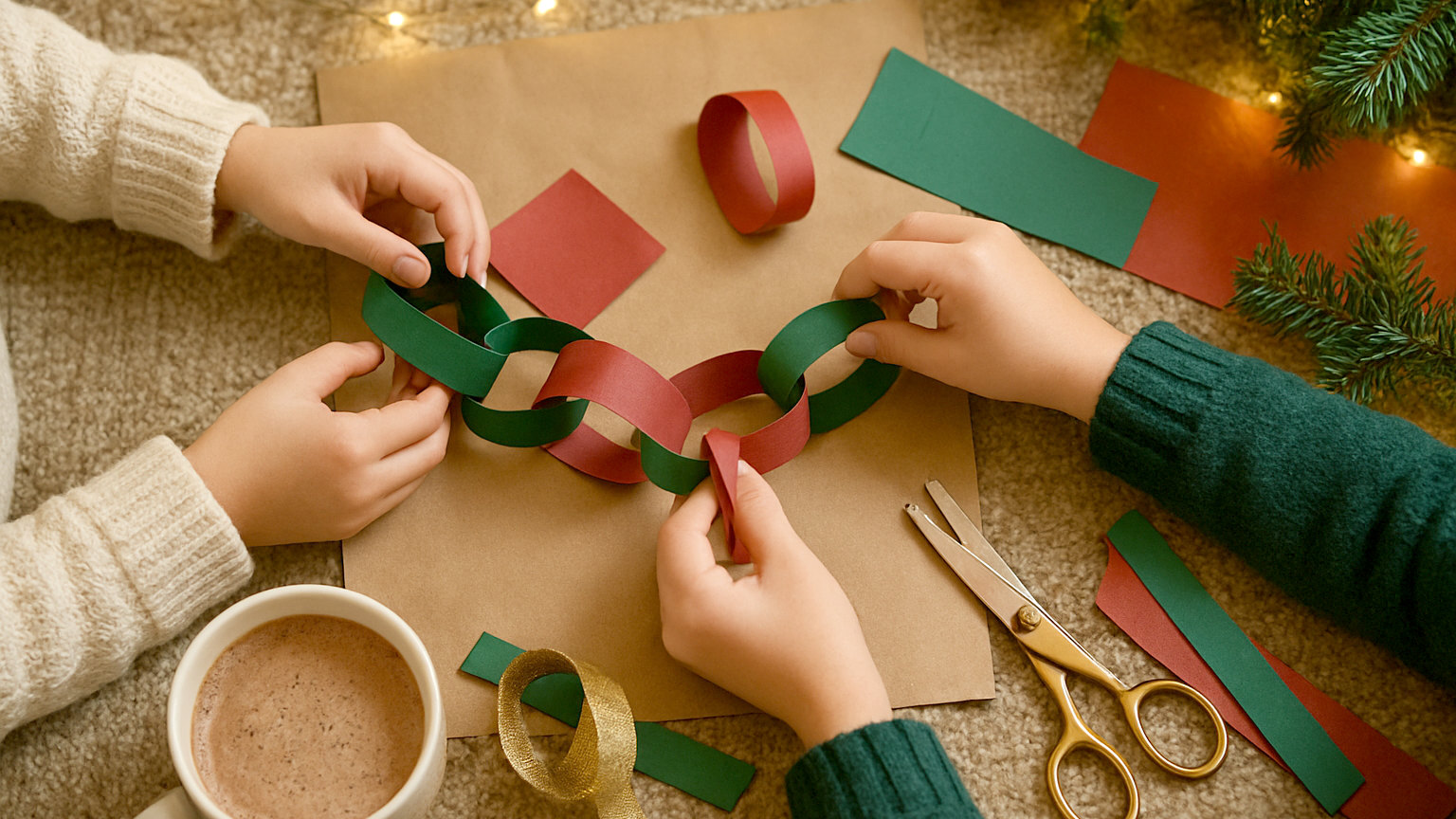
Walking to look at the lights on other streets. A carol service. A library visit. Making decorations. Baking. A treasure hunt. A film with the lights off. School and church fairs, which frequently have free or very cheap grottos and are better than the commercial ones. Most of the best of December costs nothing at all.
How do you handle the comparison at school?
Prepare for it rather than hoping it will not happen, because the conversation on the first day back is always about what everybody got. Talking beforehand about families doing Christmas differently, without making it about money, gives a child a way of joining that conversation comfortably. Children handle this far better forewarned than surprised.
Where does help exist?
Local toy banks, church schemes, community groups, food banks and family support services all run present and food schemes through December, and schools usually know which operate nearby. Asking is common, confidential and entirely routine for the people running them. Relatives will also generally prefer a straight answer about what would help to being told nothing was needed.
What should you not cut?
The traditions, which cost nothing and are the part that gets remembered. The stocking, where a great deal of the pleasure sits and which can be filled well for very little. And the food, which shapes how the day feels more than the presents do.
Everything else can be reduced without a child noticing, and most of it can be reduced substantially without anybody noticing at all.
How do you plan it across the year?
A small amount set aside monthly from January is a considerably easier total than the same sum found in December, and buying in the sales through the year rather than at full price in the last fortnight saves a substantial proportion of it.
One box, kept somewhere out of sight, filled whenever something suitable turns up cheaply, removes most of the December cost without any single month feeling the difference.


