
Every December a set of films comes round again, and they are not all equally worth the two hours. Some genuinely improve with rewatching and reveal things that were invisible at ten years old. Others turn out to have been carried entirely by nostalgia and are a mild disappointment on the third viewing. Knowing which is which saves an evening.
What makes a Christmas film survive?
A story that would work without the Christmas setting, and characters an adult can take seriously. The films that last are the ones where Christmas is the pressure rather than the subject: a deadline, a homecoming, a family obliged to be in the same room. Films built entirely on festive sentiment tend to date badly, because sentiment is the thing that changes fastest between generations.
Which ones reward an adult rewatch?
The ones with something difficult in them, which is more of the classics than people remember. Several of the most beloved Christmas films are considerably darker than their reputation suggests, dealing with financial ruin, loneliness, regret and mortality, and those elements are what an adult notices and a child does not. That gap is exactly what makes a rewatch worthwhile.
What should you expect from older films?
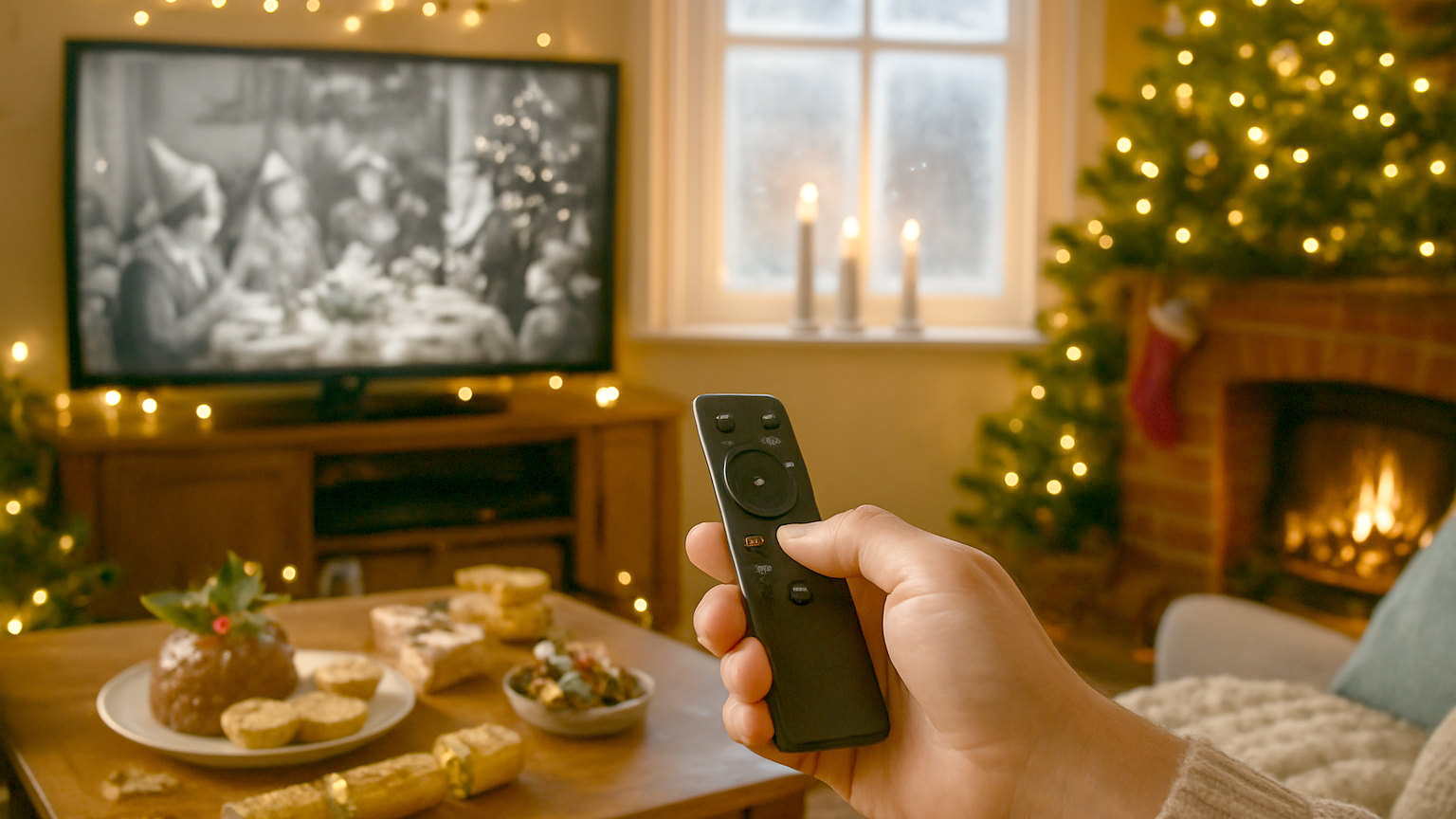
A slower pace than modern viewers are used to, particularly in the first half hour, and a different approach to structure. Black and white puts some children off before it starts, though most are won over within twenty minutes if nobody makes an issue of it. Attitudes in older films also date, and some contain moments that are worth a word afterwards rather than being passed over.
A film that survives is usually one where Christmas is the pressure rather than the subject. That is a reliable test when deciding what to try.
Do the adaptations count as classics?
The Dickens adaptations are a category of their own, since the story has been filmed dozens of times across a century and several versions are excellent in completely different ways. Comparing two of them is a genuinely enjoyable evening, and it is one of the few cases where watching the same story twice in a fortnight is interesting rather than repetitive.
What about the animated classics?
Several of the short animated films made for television in the last forty years are better crafted than most feature length Christmas releases, and they have the advantage of running under half an hour. They also work for a much wider age range than their length suggests, and a good number of adults will sit through one without complaint.
How do you introduce one to children?
Without any build up, ideally, since telling a child that a film is a classic and that you loved it at their age applies exactly the wrong kind of pressure. Put it on, sit down with them, and let it work or not work. If it does not land, leave it a year or two rather than persisting, because a film forced at eight will be refused at ten.
What is worth starting as a tradition?
One film on the same evening every year, whichever one your household actually enjoys. The specific title matters far less than the repetition, and it becomes a marker of the season within about three years. Christmas Eve is the usual slot. Once it is established, it survives children growing up and moving out, which is more than most Christmas traditions manage.
Which ones do not hold up?
The ones carried entirely by sentiment, which tends to date faster than humour or plot. Films that were charming at ten frequently turn out to be thin at thirty, and the disappointment can be sharper than simply watching something new.
That is not an argument against watching them. It is an argument for watching them with the children rather than alone, since half the pleasure is their reaction rather than the film itself.


